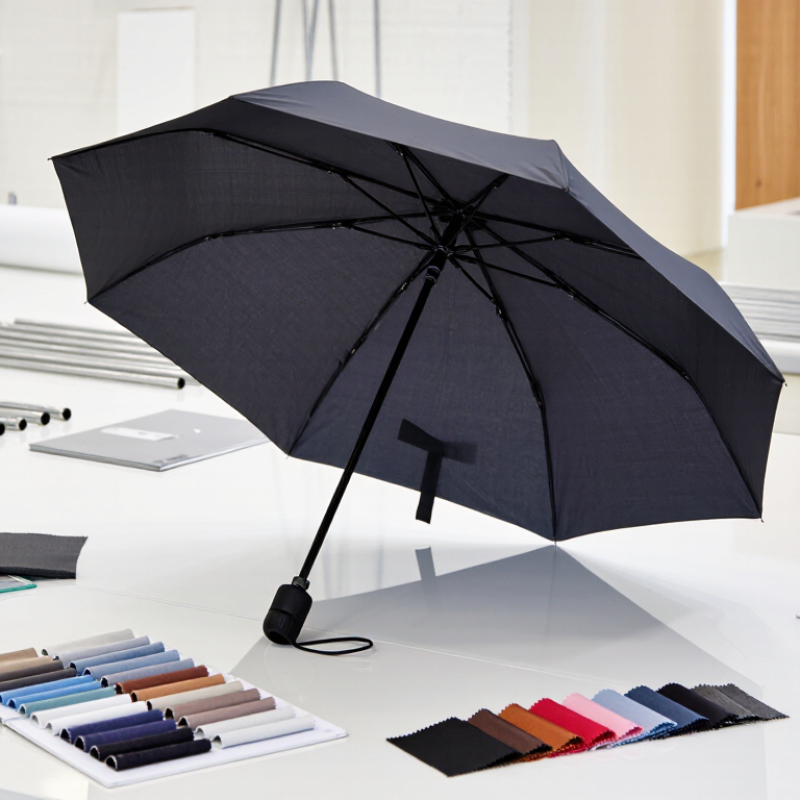
| Canopy fabric | Polyester pongee or other woven polyester | Common umbrella-canopy fabrics; fabric construction, color, and any applied finish can affect UV transmission and durability. | Ask for the exact fabric construction and a UV-transmission or UPF test report for the finished canopy, not just the fabric name. |
| UV-reflective finish | Silver-colored reflective coating or other documented UV-protective finish | A coating may reduce UV transmission and can also change heat and light transmission. Results depend on the coating and its application. | Request test results for the finished, assembled canopy. A coating description alone does not establish a UPF rating. |
| Canopy coverage | Golf-style canopy commonly specified by arc or open diameter; sizes vary by model | A larger canopy can provide more shade, but actual coverage depends on canopy shape, how the umbrella is held, and the sun’s angle. | Confirm whether the quoted measurement is canopy arc, canopy diameter, or another measurement; request a dimension drawing. |
| Frame and ribs | Fiberglass, steel, aluminum, or combinations of these materials | Frame material affects weight, stiffness, corrosion resistance, and handling. Material choice by itself does not determine UV protection. | Check the rib and shaft materials, joint construction, finish, and the supplier’s durability or opening-cycle test information. |
| Wind-management design | Double-canopy or vented construction on some models | Vents can allow some wind to pass through the canopy and may reduce wind pressure; performance depends on the overall frame and design. | Confirm that vents do not compromise the requested shade coverage and ask for wind-resistance test conditions if a claim is made. |
| Opening mechanism | Manual or automatic opening; mechanism varies by model | Influences convenience and the number of moving parts. It is separate from the canopy’s UV performance. | Request samples or mechanism specifications and confirm safety instructions for opening and closing. |
| UPF rating | UPF values describe how much UV radiation a tested material transmits under specified test conditions | A higher UPF indicates lower UV transmission in the tested sample. An umbrella’s real-world shade also depends on coverage, position, and reflected or scattered UV. | Check the test method, laboratory, sample description, result, and report date. Do not treat an unverified “UV protection” claim as a measured rating. |
| Relevant test references | AATCC TM183 measures UV transmission through textile materials; AS/NZS 4399 is a sun-protective clothing standard | These references can help buyers understand textile UV testing, but their scope and applicability to a finished umbrella should be confirmed with the testing laboratory. | Ask the laboratory which method was used and whether the report supports the specific claim being made for the umbrella canopy. |
| Supplier quality documentation | Material specifications, inspection records, test reports, and sample approval documents | Traceable documentation helps connect tested results to the fabric, coating, color, and production version supplied. | Match report details to the purchase specification and request change notification if materials or finishes are substituted. |



 Close