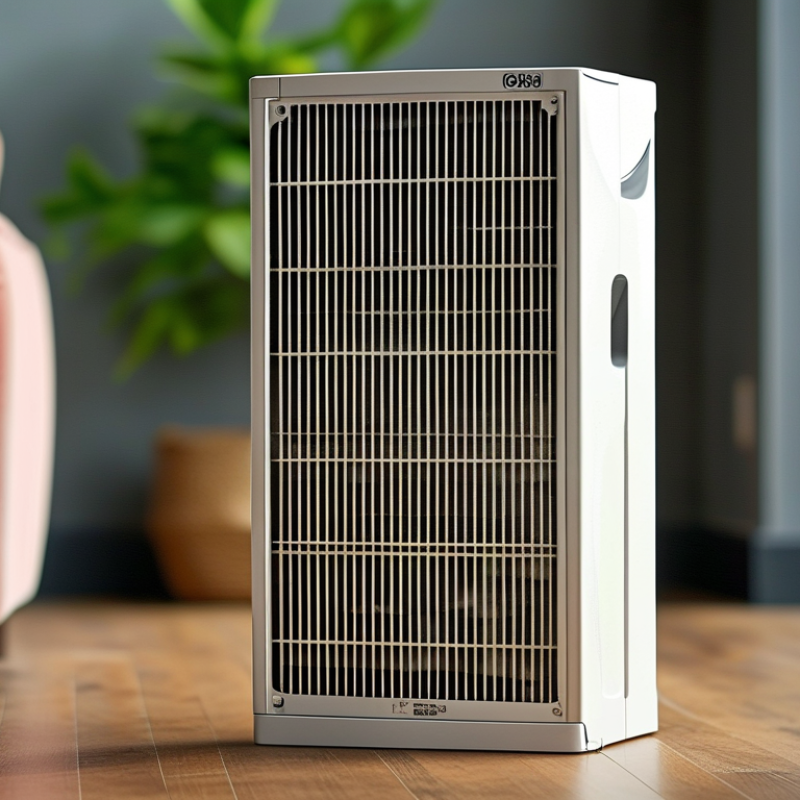
When selecting the best HEPA air filter, it's crucial to compare efficiency ratings. HEPA filters are designed to capture at least 99.97% of particles that are 0.3 microns or larger. Understanding this standard helps consumers make informed decisions. Some filters may claim to be "HEPA-like," but they often fall short of the true HEPA standard. Look for certifications that validate the filter's performance.
Tips: Always check the MERV rating. A higher MERV rating indicates better filtration capabilities. Filters with a MERV rating of 13 or higher are excellent for capturing allergens and dust.
Another important factor is airflow resistance. High resistance can reduce your system’s efficiency. A filter that is too dense might restrict airflow, leading to increased energy costs.
Tips: Regularly replace your filter, typically every 3 to 6 months. This ensures optimal performance and air quality. Sometimes, even a well-rated filter can underperform if not maintained. Evaluate your environment. If you have pets or live in a dusty area, you may need a more robust solution.


 Close
Close