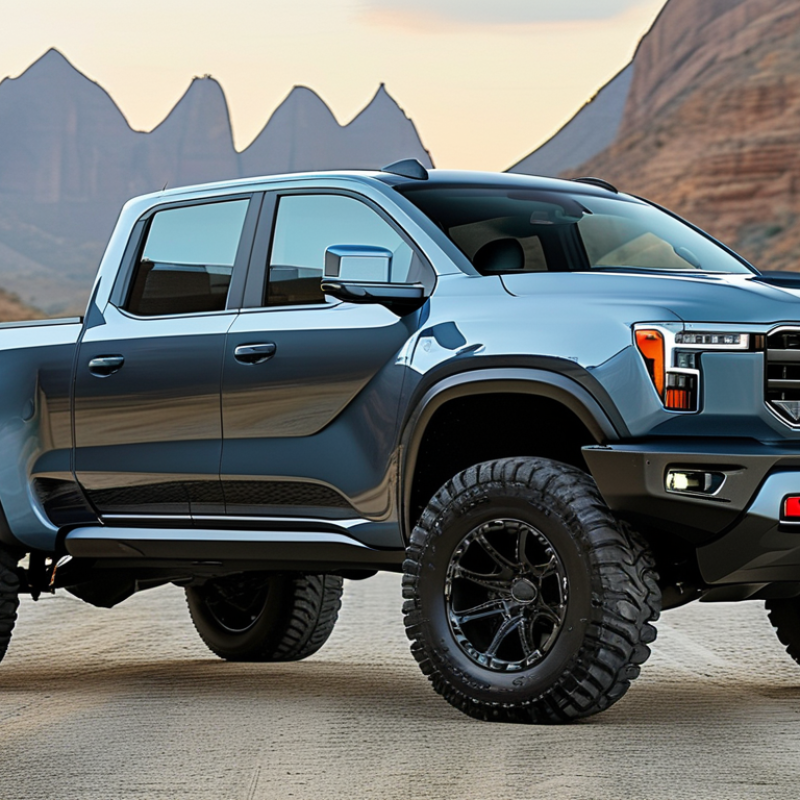
2026 How to Choose the Best L7e Electric Pickup for Your Needs?
Choosing the right L7e Electric Pickup is essential for fulfilling your unique requirements. With various models available, making the right choice can feel overwhelming. Each pickup offers differing features, capabilities, and price points.
When evaluating options, consider your daily driving habits and load needs. Some pickups excel in range, while others focus on payload capacity. Evaluating these factors could prevent future regrets.
Remember, your choice reflects your values and lifestyle. Think about environmental impact, convenience, and overall cost. The right L7e Electric Pickup will enhance your experience, making your decision worthwhile.
Understanding L7e Electric Pickup Classification and Regulations
When considering the L7e electric pickup classification, it's crucial to understand the specific regulations governing these vehicles. The L7e category typically includes light electric vehicles, with certain weight and speed limitations. Familiarizing yourself with these rules can help you avoid legal issues and ensure compliance with local laws. With a maximum weight of 425 kg and a top speed of 45 km/h, these pickups are designed for urban use.
Another consideration is the payload capacity and efficient design. While the L7e electric pickup offers limited load space, it compensates with maneuverability in crowded areas. Choosing a model with adequate cargo space for your needs is essential. Also, consider the battery life and charging options available. Longer battery life means less downtime, which is important for daily tasks.
While L7e electric pickups are convenient, they do have limitations. For instance, their speed might not satisfy those needing faster transportation for commercial use. Reflecting on these constraints is necessary when making your choice. Assess your daily requirements carefully. This approach will lead you to a suitable vehicle.
Key Features to Consider When Choosing an L7e Electric Pickup
Choosing the right L7e electric pickup involves several key features to ensure it meets your specific needs. One critical aspect is the vehicle’s payload capacity. A report from the International Council on Clean Transportation suggests that many L7e pickups can carry a payload of around 1,000 kg. Choosing a model that can accommodate your typical load is vital for utility and efficiency.
Next, consider the driving range. A range of 100-200 km is common among L7e electric models, according to industry insights. It’s essential to analyze your daily driving needs. If you frequently travel longer distances, a vehicle with a higher range will be necessary. However, battery technology is still evolving, and some models may struggle with maintaining performance after a few years. This points to the importance of checking battery longevity and replacement options.
Recharge time is another important factor. Many electric pickups require 4 to 8 hours for a full charge. If your work involves daily use, a faster-charging option could make a significant difference. Keep in mind that charging infrastructure varies widely by location, which may limit your choices. Reflect on these elements, as they profoundly impact functionality and convenience.
Assessing Your Specific Needs and Usage Scenarios
When selecting an L7e electric pickup, understanding your specific needs is crucial. According to the International Council on Clean Transportation, electric vehicles can reduce operating costs by up to 40%. However, not all electric pickups suit every requirement or lifestyle. Assessing your payload, range, and charging options is the first step. For example, if you plan to use the vehicle for urban deliveries, a compact model can be more practical, given its maneuverability.
Consider your daily mileage and energy requirements. A report from the European Automobile Manufacturers Association indicates that most light commercial vehicles in urban areas travel within a range of 100 kilometers daily. If this aligns with your usage scenario, a smaller battery capacity may suffice, saving costs. On the other hand, rural or long-distance use might require a robust model with a higher range.
Reflecting on past experiences is also essential. Many buyers overlook winter performance and battery efficiency. Cold temperatures can reduce battery range by up to 30%. Therefore, if your region experiences harsh winters, you should consider models that offer better insulation and battery management systems. Gather insights from other users and industry studies, as your choice impacts future operational efficiency and cost.
Comparing Popular L7e Electric Pickup Models and Specs
When selecting an L7e electric pickup, comparing models and specifications is essential. The L7e category includes vehicles with a maximum weight of 1,000 kg and a top speed of 45 km/h. This flexibility allows for various use cases. Recent industry reports indicate that consumers value range and payload capacity highly. Some models offer a range of up to 100 km on a single charge, appealing to urban users.
In terms of specifications, battery life and charging time are critical. Some models feature fast charging capabilities, reaching 80% charge in under two hours. However, battery performance can vary significantly between units. Market analysts emphasize examining real-world usage reports to ensure reliability. Comfort and features, such as in-car technology, also play an important role. Not every model includes advanced infotainment systems, which may lead to buyer regret.
While affordability remains a key factor, potential owners should consider long-term expenses. A cheaper model may lack efficiency, resulting in higher operational costs. Reports suggest that opting for slightly more expensive options may yield better value. Understanding these details will guide customers toward a suitable choice, tailored to their needs in the electric pickup segment.
Evaluating Total Cost of Ownership for L7e Electric Pickups
When considering an L7e electric pickup, evaluating the total cost of ownership is crucial. Many buyers focus solely on the initial price. However, ongoing costs can reveal a different story. Regular maintenance, insurance rates, and charging expenses can impact your budget significantly.
Energy efficiency plays a key role in total ownership costs. An electric pickup with a higher efficiency rating will save you money in the long run. Analyzing your driving habits can also provide insights. If you frequently travel long distances, battery range becomes paramount. This detail directly influences your charging frequency and costs.
Purchasing an electric pickup requires careful thought. Some features may raise the initial price, yet they can cut long-term expenses. Extra storage options might improve functionality but add weight, affecting battery life. Striking a balance between features and efficiency is essential. This reflection is critical, as it determines your vehicle’s overall performance and cost-effectiveness.



 Close
Close