Why Choose Electric Ball Valves for Your Fluid Control Needs?
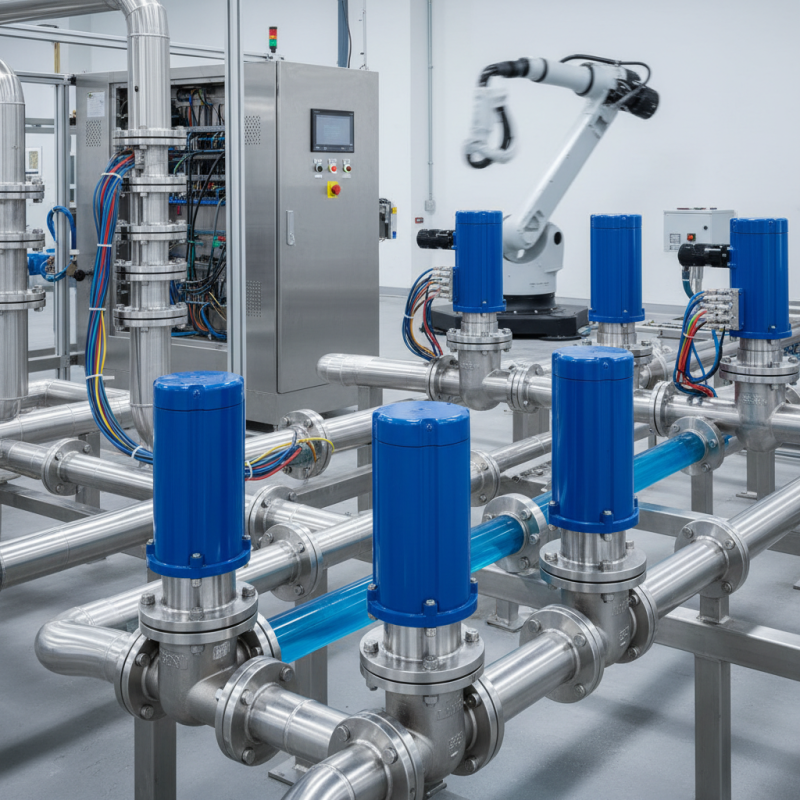
Electric Ball Valves are increasingly popular in fluid control applications. Their efficiency and reliability stand out in various industries. These valves are designed to ensure a smooth flow, minimizing leaks and downtime.
One of the main advantages of electric ball valves is their ease of automation. They can be integrated into existing systems with relative simplicity. However, the initial cost can be higher than manual options. This might deter some users. Yet, the long-term savings in maintenance and energy often outweigh these costs.
Additionally, electric ball valves offer precise control over flow rates. This can enhance process efficiency and product quality. Users should consider their specific needs carefully. Not all situations demand the advanced features these valves provide. Choosing the right solution is crucial, and reflection on operational needs is essential.
Key Features of Electric Ball Valves in Fluid Control Applications
Electric ball valves are becoming increasingly popular in fluid control applications. They offer several key features that enhance efficiency and reliability. Studies show that electric ball valves can reduce energy consumption by up to 30% compared to traditional valves. This leads to significant cost savings and environmental benefits.
One notable feature is their precise control. These valves allow for accurate flow regulation, which is crucial in many industrial processes. According to a market report by Research and Markets, seamless integration with automation systems is a major advantage. This integration enhances operational flexibility. Additionally, electric ball valves can achieve quick response times, often under 2 seconds. Quick actuating can prevent fluid loss and optimize performance.
However, not all installations are flawless. Electric ball valves require a reliable power source. If the power supply fails, it can lead to operational challenges. Maintenance and calibration are also necessary to ensure they function properly over time. Users must consider these factors when selecting the right valve for their needs.
Why Choose Electric Ball Valves for Your Fluid Control Needs?
| Feature | Description | Advantages |
| Automation | Easily integrated into automated systems for remote control. | Increased efficiency and reduced labor costs. |
| Quick Response Time | Rapid actuation ensures fluid flow adjustments happen quickly. | Enhanced control over fluid processes. |
| Durability | Made from robust materials to withstand harsh environments. | Longer lifespan leading to lower replacement costs. |
| Leak-Proof Design | Sealed construction that prevents leakage. | Increased safety and reduced environmental impact. |
| Versatility | Suitable for various fluids including water, gas, and chemicals. | Wider application range and adaptability. |
Advantages of Using Electric Ball Valves Over Traditional Valves
Electric ball valves are rapidly gaining popularity in fluid control systems. They offer distinct advantages over traditional manual or pneumatic valves. According to a recent report by the Global Market Insights, the electric valve market is projected to grow by over 6% annually, indicating strong demand in various sectors. This growth is due to their efficiency and precision in controlling fluid flow.
One major benefit of electric ball valves is automation. These valves can be integrated with control systems. This integration allows for real-time monitoring and adjustments, leading to improved accuracy. In industries like oil and gas, precision is crucial. Electric ball valves can reduce flow rate errors by as much as 20%, minimizing waste and enhancing safety protocols. Their responsive nature can lead to faster operational efficiency.
Another compelling advantage is energy savings. Studies show that electric ball valves can consume up to 30% less energy than traditional pneumatic valves. This is largely attributed to their ability to operate without compressed air systems, which can be costly and inefficient. However, there can be complexities in maintenance. Some users report difficulties in troubleshooting electric components compared to mechanical systems. This can lead to unexpected downtime and additional training needs. Thus, while electric ball valves present numerous advantages, potential users should weigh these considerations carefully.
How Electric Ball Valves Improve Efficiency and Safety in Systems
Electric ball valves are becoming essential for fluid control in various systems. These valves enhance efficiency through precise operation. They can open and close quickly, reducing response time and ensuring regulated flow. The automated mechanism allows for remote monitoring. This capability is vital in large facilities where manual operation is impractical.
Safety is another critical advantage. Electric ball valves minimize human error in operations. They can be programmed for specific parameters, ensuring optimal performance. In hazardous environments, remote control protects operators from potential dangers. However, reliance on automation means regular maintenance is necessary. Neglecting this can lead to failures that compromise safety.
Energy consumption is another concern. While electric ball valves typically reduce usage, they require power to function. Implementing backup power solutions may be needed. A system's design should consider this. Balancing efficiency with reliability is crucial. Miscalculations in design may result in outages or inefficient operation.
Applications of Electric Ball Valves in Various Industries
Electric ball valves are increasingly utilized in diverse industries due to their efficiency and reliability. In the water treatment sector, for instance, precision is crucial. According to a recent report by MarketsandMarkets, the global electric valve market is projected to reach $12.37 billion by 2025, showcasing the rising demand for electric actuation systems. These valves can regulate flow seamlessly, minimizing wastage and enhancing sustainability.
In the oil and gas industry, electric ball valves play a vital role in managing high-pressure environments. With capabilities to operate in extreme temperatures, they ensure safety and efficiency. A study from Research and Markets indicates that demand for valves in this sector is expected to escalate as countries invest in energy infrastructure. However, reliance on electronic components can introduce vulnerabilities. Power outages or electronic failures can disrupt operations, necessitating a backup system.
In the pharmaceutical sector, the hygiene and safety standards are paramount. Electric ball valves allow for quick response times, reducing cross-contamination risks during fluid transfer. The growing focus on automation and compliance with stringent regulations drives further adoption. Naturally, these advancements come with their own set of challenges. The integration of advanced technologies necessitates training staff and potential downtime during transitions. Balancing innovation with operational stability demands careful consideration.
Factors to Consider When Selecting Electric Ball Valves for Projects
When selecting electric ball valves for fluid control, several key factors come into play. Understanding specifications such as valve size, flow rate, and pressure rating is crucial. According to a 2022 report by the Institute of Fluid Control Technology, nearly 30% of projects fail due to inadequate valve selection. Accurate sizing ensures effective fluid management and energy savings.
In addition, consider actuator types. Electric actuators offer precision, but also have a varied response time. A 2023 industry study found that 25% of users did not evaluate actuator performance, leading to maintenance challenges. Flexibility in control options, such as modulating features, can improve operation over time.
Manufacturing materials should also be evaluated. Corrosive environments demand durable options. Data from industry analyses indicate that nearly 40% of failures are due to material degradation. Neglecting the right material can lead to costly downtime and replacements. Evaluate all project specifications carefully to find the most suitable valve.

 Close
Close