Why Choose Electric Resistance Heating Pipe for Your Projects?
In recent years, the construction and manufacturing sectors have increasingly adopted Electric Resistance Heating Pipe technology. This trend stems from its efficiency and reliability in various applications. According to a report from the U.S. Department of Energy, electric resistance heating can be up to 20% more efficient than traditional heating methods.
Electric Resistance Heating Pipe systems provide uniform heat distribution. This feature is crucial for maintaining optimal temperatures in industrial processes. Moreover, these systems can be easily integrated into existing infrastructures, minimizing disruption during installation. A study by the American Society of Mechanical Engineers highlighted that investment in heating technologies can yield significant operational cost savings over time.
However, it's essential to consider that Electric Resistance Heating Pipe systems may have higher upfront costs. This aspect can be a barrier for some projects. Evaluating long-term benefits is crucial in making informed decisions. As the market evolves, understanding the implications of this technology is necessary for successful project outcomes.
Benefits of Electric Resistance Heating Pipes in Various Applications
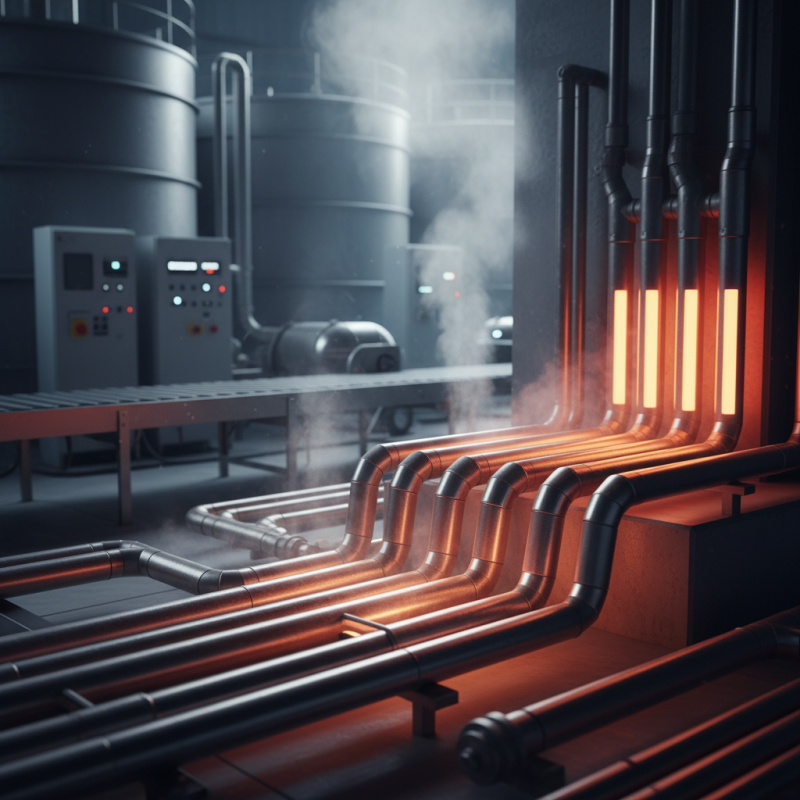
Electric resistance heating pipes are gaining popularity in various applications due to their unique advantages. They provide consistent and reliable heating, ensuring the comfort and efficiency of spaces. For instance, in residential settings, these pipes can effectively heat floors, creating a warm and inviting atmosphere during colder months. This technology is also used in industrial processes, where precise temperature control is crucial.
One important aspect is energy efficiency. Electric resistance heating pipes minimize energy consumption by delivering heat directly where it is needed. This localized heating reduces waste and can lead to significant savings in utility bills. Additionally, their compact design allows for easy installation in tight spaces.
When considering electric resistance heating, keep these tips in mind. Make sure to select the right pipe size for your project's needs. A pipe that is too small won't heat effectively, while one that is too large can waste energy. Also, regular maintenance is essential. Neglecting this can lead to performance issues over time. Understanding these details will help you maximize the benefits of electric resistance heating pipes in your projects.
How Electric Resistance Heating Works: A Technical Overview
Electric resistance heating operates by converting electrical energy into heat through resistive materials. This method is widely used in various applications, from residential heating systems to industrial processes. It ensures consistent heat generation, making it an efficient choice for many projects. The heat produced can be directly controlled, providing flexibility to adapt to specific needs.
When considering electric resistance heating, think about the installation space. Ensure proper insulation around the pipes to maximize efficiency. Another aspect to consider is the energy source. Verify that the electrical supply is reliable and matches the heating needs. This method can be less effective if the power supply fluctuates.
A critical point for projects is maintenance. Regular inspections of the heating pipes can help identify potential issues early. Look for signs of wear or damage to avoid larger problems. Poor maintenance can lead to inefficiencies and higher costs over time. Planning for a maintenance schedule can save money in the long run.
Cost-Effectiveness of Electric Resistance Heating in the Long Run
Electric resistance heating pipes are gaining attention for various projects. Their cost-effectiveness becomes apparent over time. While initial investments may vary, the long-term savings can be substantial. Reduced maintenance costs and increased energy efficiency contribute to this financial advantage. Many projects overlook these factors.
Tips: When considering electric resistance heating, assess your specific project needs. Conduct a cost analysis to evaluate potential savings.
These systems are reliable and simple to operate. Deploying them often leads to lower energy consumption. Users find that they can achieve comfortable temperatures with less energy input. However, some may encounter challenges during installation or operation. Regular inspections are recommended to ensure optimal performance.
Tips: Schedule routine maintenance checks. This prevents costly repairs and inefficiencies down the line. Always follow manufacturer guidelines for best practices.
Comparing Electric Resistance Heating to Other Heating Methods
Electric resistance heating is often overlooked in favor of traditional heating methods like gas or oil. However, it offers unique advantages that can greatly benefit various projects. The heating process is straightforward, converting electrical energy directly into heat. This means no need for complex fuel storage or delivery systems, simplifying installation and maintenance.
When comparing electric resistance heating to other methods, efficiency stands out. Electric systems can operate at near 100% efficiency. They deliver heat precisely where it's needed, minimizing energy waste. However, one must consider costs. Electric heating can be more expensive to operate than gas or oil options in areas with high electricity rates. Evaluating local energy prices is essential for projecting long-term expenses.
In addition, electric resistance heating provides precise temperature control. This is crucial for applications requiring strict thermal management, such as in laboratories. Yet, it may not be suitable for larger industrial applications due to limited output capacity. Users should weigh these factors carefully. Each method has its own pros and cons, making it important to assess specific project requirements before making a choice.
Installation and Maintenance Considerations for Electric Resistance Systems
Electric resistance heating pipes offer unique advantages for various projects. However, installation and maintenance are critical aspects that demand attention. Correct installation ensures efficiency and long-term performance. According to the National Renewable Energy Laboratory, improper installation can lead to energy losses of up to 30%. Therefore, expert guidance during the setup is essential.
Regular maintenance equally impacts the reliability of electric resistance systems. Inspections should focus on electrical connections and pipe integrity. The U.S. Department of Energy recommends conducting annual check-ups for optimal performance. Even minor issues, if ignored, can escalate, leading to costly repairs or replacements. It's vital to stay vigilant.
Choosing electric resistance heating requires a solid understanding of these factors. Balancing efficiency with proper maintenance can be challenging. Engaging with professionals in the field can alleviate concerns. By prioritizing installation and regular upkeep, projects can fully realize the benefits of electric resistance heating systems.
Why Choose Electric Resistance Heating Pipe for Your Projects?
| Feature | Advantages | Considerations |
| Energy Efficiency | High efficiency with minimal energy loss. | Ensure proper sizing for optimal performance. |
| Installation Flexibility | Can be installed in various locations and configurations. | Follow local codes and regulations during installation. |
| Low Maintenance | Minimal maintenance required compared to other systems. | Regular inspections are still recommended. |
| Safety Features | Equipped with safety controls to prevent overheating. | Ensure all safety features are functional before use. |
| Temperature Control | Provides precise temperature management. | Use proper thermostats for effective control. |

 Close
Close