Why Choose Flat-Pouch Packing Machines for Your Business Needs?
In today's fast-paced manufacturing landscape, efficiency is paramount. Many businesses are turning to innovative solutions, like the Flat-Pouch Packing Machine. According to industry expert Mark Thompson, "The right packing solution can elevate a business’s operational efficiency." This highlights the importance of choosing suitable equipment for packaging needs.
Flat-Pouch Packing Machines offer unique advantages. They save space, provide durability, and facilitate attractive packaging. These machines are ideal for products that need protection and presentation. Companies specializing in snacks, coffee, and pharmaceuticals often find them beneficial. Yet, it’s crucial to consider the specific needs of your operation.
Investing in a Flat-Pouch Packing Machine is not just about machinery; it’s about enhancing your brand. However, businesses must reflect on their exact requirements. What are your packaging challenges? How can a Flat-Pouch Packing Machine address them? These questions are vital for making informed decisions.
Benefits of Flat-Pouch Packing Machines for Various Industries
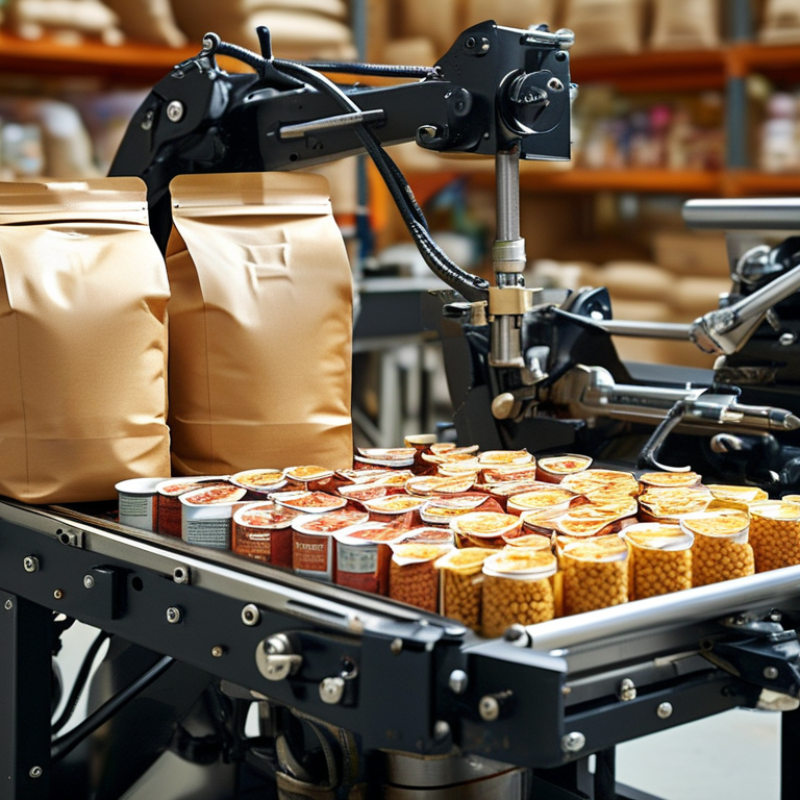
Flat-pouch packing machines are becoming increasingly popular across various industries. Their design is compact and efficient, making them ideal for food, pharmaceuticals, and consumer goods. According to industry reports, the flat-pouch market is projected to grow by 4.5% annually, reaching $30 billion by 2026. This growth highlights the value of adapting to consumer trends and demands.
These machines offer several benefits, such as space-saving and cost-efficiency. They allow for better product visibility and easier handling. Businesses often note lower operational costs and increased production speed. However, some challenges exist, such as the need for frequent maintenance and occasional technical issues. Companies that overlook these factors may face production delays.
When selecting a machine, consider product compatibility. Ensure the pouches align with your product's requirements and shelf-life needs. Regularly assess machine performance to avoid disruptions. Investing time in staff training on maintenance can lead to better outcomes. Overall, understanding the benefits and potential pitfalls of flat-pouch packing can help businesses optimize their operations effectively.
Key Features to Consider When Choosing Flat-Pouch Packing Machines
When selecting flat-pouch packing machines, it’s essential to consider specific features that meet your business needs. First, the machine's speed is crucial. A higher output rate can enhance productivity. However, it's vital to find a balance; too much speed might compromise quality. Check if the machine can handle the desired volume without sacrificing performance.
Another significant feature is flexibility. The ideal machine should accommodate various pouch sizes and materials. This versatility allows for adaptation to changing market demands. Look for machines that offer easy adjustments and quick changeovers. It’s also beneficial to research how user-friendly the interface is. A complicated setup can lead to mistakes and downtime.
Durability and maintenance requirements should not be overlooked. Machines that are reliable can save money over time. Yet, maintenance is inevitable. Understand what type of upkeep your machine requires. Frequent repairs can impact operational efficiency. Reflect on how often you'll need technical support. Investing in a machine that requires minimal intervention can be a smart choice for long-term use.
Cost-Effectiveness: Analyzing the ROI of Flat-Pouch Packing Solutions
Investing in flat-pouch packing machines can significantly enhance your business's efficiency. These machines are designed to streamline the packaging process. Their adaptability allows them to cater to various products. Whether you're dealing with food, cosmetics, or pharmaceuticals, flat pouches fit the bill. This versatility reduces the need for multiple machines, making it a cost-effective solution.
When analyzing the return on investment (ROI), consider the initial costs. While purchasing machinery may seem steep, the long-term savings are noteworthy. Flat-pouch machines often consume less energy than traditional systems. They also minimize material waste, lowering costs. Labor expenses may decline as well, due to automation. However, it’s essential to evaluate potential maintenance issues that could arise, impacting ROI.
The market is evolving, and efficiency matters. Business owners must assess trends and customer preferences. Flat pouches offer aesthetic appeal, encouraging purchases. They also provide an effective barrier against environmental factors. Keeping these points in mind helps in making informed decisions for your packaging needs. Balancing cost and function requires careful thought, but flat-pouch machines often emerge as a reliable choice.
Comparative Analysis: Flat-Pouch vs. Traditional Packing Methods
Flat-pouch packing machines have gained traction over traditional packing methods for various reasons. They offer efficiency and versatility that many businesses find appealing. Unlike traditional boxes or containers, flat pouches require less storage space. This feature is particularly beneficial for small businesses operating in tight areas. The design allows pouches to be flattened when empty, reducing waste and simplifying transportation.
From a cost-efficiency perspective, flat pouches can streamline production. The machines often run faster and with less manual intervention than traditional packing lines. However, there are challenges, such as the initial investment in machinery and training for staff. Not every operation can seamlessly transition to this modern solution. It’s crucial for companies to evaluate their specific needs before making the switch. Balancing speed, cost, and product protection can be complex, and each business has to weigh the pros and cons carefully.
Flat pouches also provide excellent branding opportunities. They can showcase vibrant graphics and are lightweight, which reduces shipping costs. However, some consumers may perceive them as less durable than rigid packaging. This perception could affect their buying decisions. Emphasizing reliability in your brand messaging becomes essential. Overall, when considering flat pouches, it’s vital to assess their fit for your products and audience.
Maintenance and Operational Efficiency of Flat-Pouch Packing Machines
Flat-pouch packing machines offer significant advantages in maintenance and operational efficiency. Regular maintenance can increase the lifespan of these machines. Simple tasks, such as cleaning and lubricating moving parts, are essential. It is often overlooked but crucial to ensure optimal performance. The design of flat-pouch machines simplifies access, making routine checks more straightforward.
Operating these machines requires minimal training. Users can quickly understand the setup and basic operations. This ease of use enhances productivity, allowing staff to focus on other important tasks. Yet, it is vital to monitor machine settings. Small adjustments might be necessary depending on the pouch material and product type. Over time, neglecting these details can cause inefficiencies.
Despite their benefits, challenges can arise. Issues like misalignment or spacing errors may occur, especially during high-speed operations. Operators must stay vigilant and ready to troubleshoot. A culture of proactive maintenance can help mitigate these problems. Continuous training for staff ensures they are equipped to handle unforeseen issues efficiently. The goal is to create a work environment where flat-pouch machines significantly enhance productivity without being a constant source of concern.
Efficiency Metrics of Flat-Pouch Packing Machines



 Close
Close 
