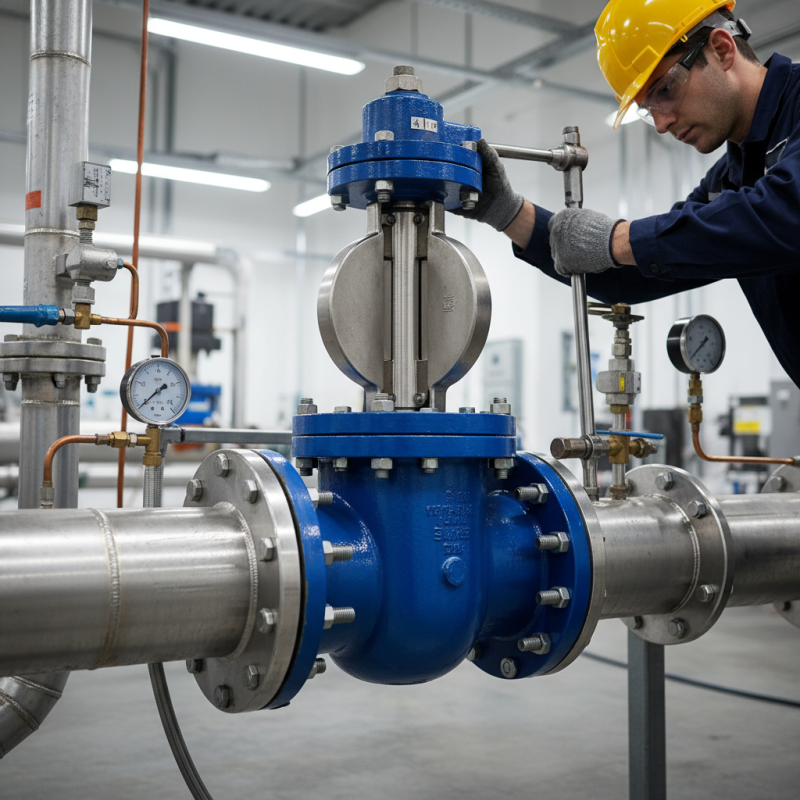
How to Choose and Install a Double Eccentric Butterfly Valve?
Selecting the right double eccentric butterfly valve can significantly impact the performance of your system. These valves are known for their ability to handle high pressure and provide tight sealing. However, choosing the wrong model may lead to inefficiencies.
Consider the application of the double eccentric butterfly valve. The valve's size and material must match your specific needs. A mismatch can result in leaks or system failures. It's essential to also evaluate the installation process. Proper installation is crucial for optimal function and longevity.
In some cases, users may overlook the importance of properly preparing the installation site. Inadequate space and misalignment can hinder performance. Therefore, it’s key to pay attention to these details. Ultimately, a thoughtful approach will ensure the effectiveness of your double eccentric butterfly valve.
Choosing the Right Double Eccentric Butterfly Valve for Your Needs
Choosing the right double eccentric butterfly valve can seem overwhelming. Start by considering the application. Is it for water, gas, or steam? Each medium has specific requirements. Take note of the pressure and temperature conditions as well. These factors greatly affect valve performance.
Material selection is crucial. Common choices include stainless steel and aluminum. Ensure your selection withstands environmental conditions. Think about the installation location too. Is it indoor or outdoor? Exposure to weather can compromise the valve's lifespan.
Don’t forget to assess the valve size. It must match your piping system. An ill-fitting valve can cause leaks or inefficiencies. Sometimes, it’s hard to know if you’ve selected the right one until you install it. Consider consulting with a professional for a better fit. It's okay to admit you need assistance; that’s part of the learning curve.
Understanding the Components and Functionality of Double Eccentric Valves
Double eccentric butterfly valves feature a unique design that enhances performance in various systems. Their structure includes a disk and a shaft, designed to minimize friction and wear. The disk is offset from the centerline of the valve, allowing for smooth operation. This design helps in reducing the torque required to operate the valve, making it more efficient.
When considering the components, the seal type is crucial. A resilient rubber seal can provide reliable closure, yet may degrade over time. Alternatively, metal seats offer durability but might not create a perfect seal initially. Additionally, the choice of materials can impact corrosion resistance. This is vital for valves in harsh environments.
Understanding the functionality of these valves requires reflection. Operating conditions can vary significantly. For instance, pressure fluctuations may affect their performance. Many overlook the importance of regular maintenance. Failing to inspect components can lead to premature failure. Recognizing these details helps in effective installation and long-term operation.
Steps for Proper Installation of Double Eccentric Butterfly Valves
Installing a double eccentric butterfly valve requires attention to detail. Begin by preparing the site. Ensure the pipes and mounting surfaces are clean. Any debris can affect the valve's performance. Check for any alignment issues, as misalignment can lead to leaks and costly repairs.
Once the area is ready, position the valve between the flanges. Use gaskets that fit the valve properly. Secure the bolts in a crisscross pattern. This ensures even pressure, preventing deformation. It’s crucial not to overtighten, which can damage the valve.
After installation, run a pressure test. This step can reveal hidden problems. Watch for unusual noises or irregularities. Sometimes, despite best efforts, issues still arise. Reflection on the process can help identify where things went wrong. Don’t hesitate to reassess the installation steps for improvements.
Best Practices for Maintenance and Troubleshooting
Maintaining a double eccentric butterfly valve is crucial for efficient operation. Regular inspections can help detect issues early. Look for signs of wear or damage. Check the actuator and the valve disc for proper movement. Lubrication is essential, but avoid over-lubricating. It can attract dirt and cause further problems.
When troubleshooting, listen for unusual noises. Grinding or hissing sounds may indicate misalignment. If the valve does not open or close fully, check for blockages in the pipeline. Sometimes, operators overlook simple issues like foreign objects. Small, easily removable items can cause significant malfunctions.
Another common issue is leakage. Inspect the seals and gaskets frequently. If they are worn, replace them immediately. Hidden problems can lead to bigger failures down the line. Approach every maintenance task with care and attention. Regular updates to maintenance records can also reveal patterns over time. Reflect on these practices to enhance the longevity of your butterfly valve system.
Common Applications and Advantages of Double Eccentric Butterfly Valves
Double eccentric butterfly valves offer unique advantages in various applications. They are widely used in industries like water treatment, HVAC systems, and chemical processing. The double eccentric design reduces wear and tear, leading to a longer lifespan. This design allows for a tight shutoff, which is crucial in many settings. The efficient seal minimizes leaks, ensuring reliability in critical operations.
Installation can be straightforward, but attention to detail is essential. A miscalculation in positioning can lead to operational issues down the line. Proper alignment with the pipeline is necessary for optimal performance. Many users overlook torque specifications, which can result in valve failure. The right tools and techniques must be employed to ensure a seamless installation experience.
Common issues include vibrations and noise during operation. These can often be traced back to improper installation or selection. Assessing the specific needs of your system is crucial. A double eccentric butterfly valve may not always be the best choice, depending on the fluid dynamics involved. Thinking critically about these factors can lead to better outcomes in the long run.
Common Applications and Advantages of Double Eccentric Butterfly Valves
This chart illustrates the percentage of common applications for double eccentric butterfly valves along with their respective advantages.



 Close
Close