Why Choose Overcurrent Testing Equipment for Reliable Safety?
In an era where safety is paramount, the reliance on Overcurrent Testing Equipment cannot be overstated. Experts in the field emphasize its importance. John Smith, a leading authority in electrical safety, once stated, "Overcurrent testing is essential for identifying circuit vulnerabilities." His insight reflects the necessity of such equipment in protecting both lives and infrastructure.
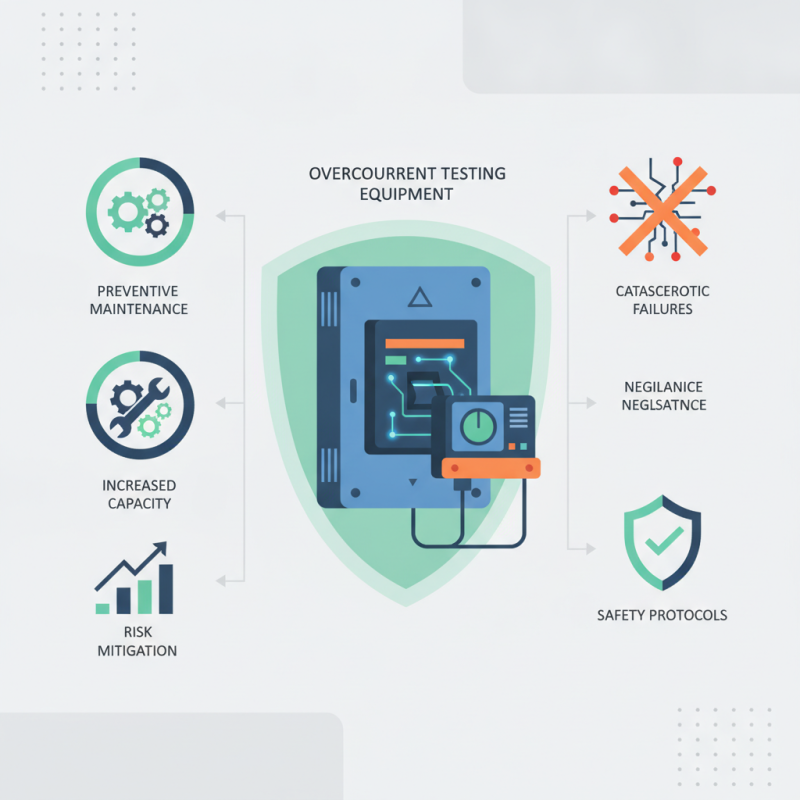
Overcurrent Testing Equipment plays a critical role in mitigating risks. It enables technicians to measure the capacity of current systems accurately. With this data, they can prevent overloads and subsequent failures. This proactive approach is crucial for maintaining operational integrity. Yet, despite its importance, many firms overlook regular testing. This negligence can lead to catastrophic consequences.
Utilizing Overcurrent Testing Equipment is not merely a best practice; it is a vital component for safety. However, some organizations may still view testing as an afterthought. This mindset can undermine the reliability of safety protocols. Incorporating such equipment systematically can bridge gaps in safety. By prioritizing testing, companies foster a culture of preventive maintenance that ultimately safeguards both assets and personnel.
Understanding Overcurrent Testing Equipment and Its Importance
Overcurrent testing equipment plays a crucial role in ensuring electrical safety. Understanding its importance is essential for professionals in the industry. In 2022, the National Fire Protection Association reported that electrical failures caused 47% of all home structure fires. Such statistics underline the necessity for reliable overcurrent protection systems.
Selecting the right testing equipment reduces risks. Regular testing helps confirm that protective devices function correctly. Industry data suggest that 30% of electrical accidents could be prevented with routine maintenance and testing. This highlights the need for regular checks on circuit breakers and fuses. Don't overlook their importance in protecting both life and property.
Tips: Always verify the calibration of your testing equipment. Accurate readings are essential. Additionally, create a testing schedule and stick to it. Consistency is key in maintaining safety. Finally, document all tests and findings. This documentation provides a clear safety record, aiding future inspections and ensuring compliance with regulations.
Key Features of Reliable Overcurrent Testing Equipment
Overcurrent testing equipment plays a vital role in ensuring electrical safety and reliability. Its reliability stems from key features that enhance safety measures. Many industry reports highlight that electrical failures account for nearly 40% of outages in industrial settings. This reveals the need for thorough testing to prevent catastrophic failures.
One essential feature is accuracy. Reliable overcurrent testing equipment guarantees precise measurement of current flow. A study by the International Electrotechnical Commission noted that devices with a calibration accuracy of 0.5% or better are crucial for effective testing. Precise readings help prevent equipment damage and maintain operational efficiency.
User-friendly interfaces improve accessibility. Many units now include digital displays and intuitive navigation. This enables technicians, regardless of experience, to interpret data quickly. Additionally, portability is a significant factor. Many devices weigh less than 10 pounds, allowing for easy transportation and use in various settings. However, some units may lack durability, which raises concerns about long-term use. It's essential to weigh these strengths and weaknesses when choosing the right equipment for safety.
Applications of Overcurrent Testing in Electrical Safety
Overcurrent testing plays a vital role in maintaining electrical safety across various industries. It helps identify potential overload conditions that could lead to equipment failure or, worse, safety hazards. According to a recent industry report, overcurrent protection devices prevent approximately 70% of electrical fires caused by overloads. This data underscores the importance of regular testing in ensuring reliable safety measures.
In sectors like manufacturing and power generation, the implications of overcurrent failures can be significant. These failures not only compromise equipment integrity but also lead to financial losses. For instance, estimates suggest that equipment downtime due to electrical failures can cost companies hundreds of thousands of dollars. By implementing routine overcurrent testing, businesses can mitigate these risks effectively and enhance operational efficiency.
While overcurrent testing is essential, it is not without challenges. Many organizations may overlook the need for regular inspections, leading to undetected issues. Staff may lack the expertise to recognize testing deficiencies, resulting in inadequate safety preparedness. Continuous training and the adoption of modern testing technology can help address these shortcomings and improve overall safety outcomes.
Benefits of Using Overcurrent Testing Equipment for Safety Assurance
Overcurrent testing equipment plays a critical role in ensuring safety in various electrical applications. With the capability to monitor and analyze current levels, this equipment helps prevent dangerous overload conditions. By reliably detecting overcurrent situations, it safeguards both systems and personnel involved.
Using this equipment gives users peace of mind. It enhances safety protocols by identifying potential failures before they escalate. Regular testing with these tools allows for proactive maintenance, ensuring electrical systems operate within safe limits. Over time, this can contribute to significant cost savings by reducing downtime and minimizing damage to machinery.
Tips: Regularly schedule overcurrent tests to ensure consistent performance. Create a log of results to track trends over time. Investing in training will empower personnel, building their confidence in using this critical equipment. However, relying solely on testing equipment without proper protocols may lead to oversights. Each electrical setup is unique and requires personalized attention.
Stay vigilant and treat safety as an ongoing process.
Best Practices for Implementing Overcurrent Testing Solutions
Overcurrent testing solutions are essential for ensuring electrical safety in various environments. Implementing these practices requires a clear understanding of their significance. Begin by developing comprehensive testing protocols tailored to your specific operations. Define clear objectives to focus on safety and efficiency. Regularly review and update these protocols based on the latest industry standards.
Training personnel is critical. Team members must become familiar with testing procedures and equipment. A collaborative atmosphere can encourage knowledge sharing. Workshops and hands-on sessions can further solidify their understanding. It’s also vital to document all testing outcomes. This creates a reliable history that can guide future safety measures.
Regular equipment maintenance cannot be overlooked. Ignoring upkeep can lead to inaccurate results. Establish a routine schedule for inspections and repairs. Each piece of testing equipment should be checked against performance benchmarks. This ensures that your testing solutions are not only accurate but also reliable. Reflect on your current processes. Are there gaps or areas for improvement? Creating a culture of continuous improvement enhances safety across the board.



 Close
Close 
