2026 How to Choose the Best Hydraulic Pressure Pump for Your Needs?
Choosing the right Hydraulic Pressure Pump can be a challenging task. With so many options available, knowing what to look for is essential. Each project has unique demands. Understanding these needs is the first step toward making an informed decision.
Hydraulic Pressure Pumps come in various types and sizes. They differ in capacity, efficiency, and design. These differences can significantly impact your project’s success. Consider factors such as pressure requirements and flow rates. It’s crucial to match the pump’s specifications with your application.
Reliability is a key concern. A poor choice can lead to project delays or unexpected costs. Take the time to research reputable brands and models. Look for reviews and expert recommendations. By doing this, you can ensure that your choice will meet your expectations and perform consistently.
Understanding Hydraulic Pressure Pumps: Basics and Types
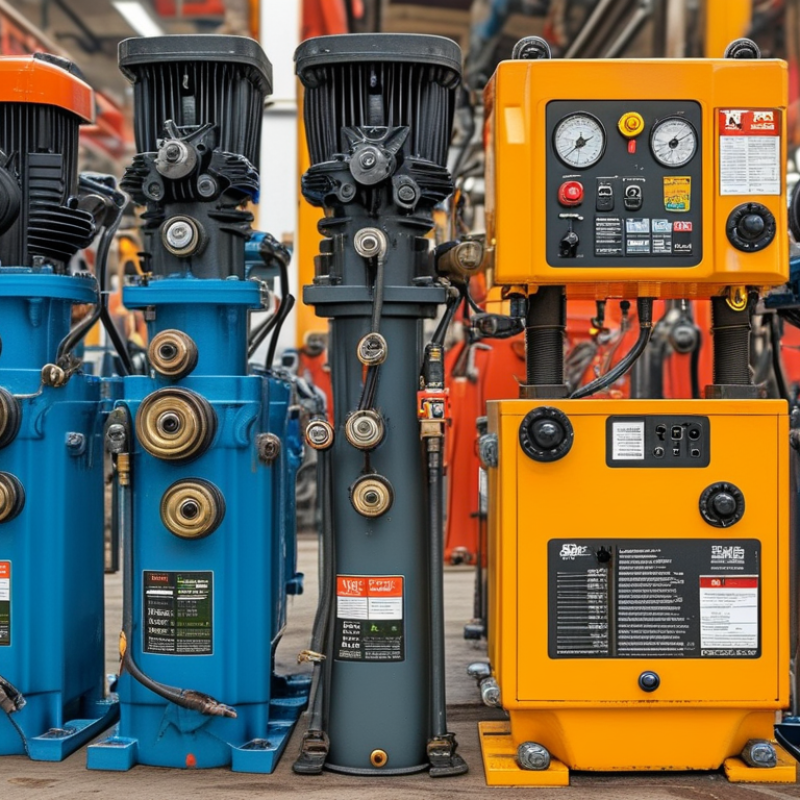
Hydraulic pressure pumps are essential tools in various industries. Understanding their basics and types can guide you in selecting the right one. There are mainly two types of hydraulic pressure pumps: gear pumps and piston pumps. Gear pumps are less complex and easier to maintain. They are ideal for low to medium pressures. Piston pumps, on the other hand, can handle higher pressures but require more maintenance and expertise.
When selecting a hydraulic pump, consider the operating environment. Factors like temperature, humidity, and space can significantly affect performance. It's essential to choose a pump that can operate effectively under these conditions. Testing pressure ratings is vital too. Make sure the pump can handle the maximum pressure required for your tasks.
**Tips**: Always consult with professionals if you're unsure. Performance varies, and making an informed choice is key. Regular maintenance checks can save time and money in the long run. Never overlook simple issues that can escalate into larger problems. Small leaks or unusual noises can indicate larger concerns that need attention.
2026 How to Choose the Best Hydraulic Pressure Pump for Your Needs?
| Type |
Pressure Range (psi) |
Flow Rate (GPM) |
Power Source |
Weight (lbs) |
| Gear Pump |
1500 - 3000 |
5 - 10 |
Electric |
50 |
| Piston Pump |
1000 - 5000 |
3 - 8 |
Gas |
70 |
| Vane Pump |
800 - 2500 |
10 - 15 |
Electric |
40 |
| Hydraulic Gear Pump |
1000 - 3000 |
5 - 12 |
Battery |
60 |
| Diaphragm Pump |
500 - 2000 |
2 - 6 |
Manual |
30 |
Factors to Consider When Choosing a Hydraulic Pressure Pump
When selecting a hydraulic pressure pump, several factors should be considered. The first is your application. Understand the specific needs of your project. Different applications require different pressure levels and flow rates. Ensure the pump matches your operational demands.
Another critical aspect is the pump's construction. Materials used affect durability and performance. For example, corrosion-resistant materials are essential in harsh environments. Always look for pumps known for their reliability. A breakdown can lead to costly downtime.
Tips: Assess the energy efficiency of your pump. An efficient pump saves money on energy costs. Also, consider the noise level. Quieter pumps can offer a better working environment.
Don't overlook maintenance requirements. Some pumps require frequent servicing, increasing costs. Understand your capacity for maintenance before making a choice. Too many overlook this aspect, leading to frustration later. A good pump should balance performance, costs, and maintenance needs.
Evaluating Pump Specifications: Pressure, Flow Rate, and Efficiency
When selecting a hydraulic pressure pump, understanding critical specifications is essential. The two main factors to evaluate are pressure and flow rate. Pressure indicates how much force the pump can exert. Think about the requirements of your application. Too high a pressure can lead to equipment failure. Conversely, insufficient pressure could impede the task’s efficiency.
Flow rate is another key aspect. It measures the amount of fluid moving through the pump over time. A higher flow rate means quicker operation, which is often desirable. However, if the flow rate exceeds what your system can handle, it might cause unwanted turbulence or cavitation. Ensure balance between flow rate and pressure for the best performance.
Efficiency can make or break your choice. An efficient pump consumes less energy, saving costs in the long run. Look for pumps designed with energy efficiency in mind. Remember, not all models efficiently use resources, and some may require more frequent maintenance. It’s worth investing time to assess various options thoroughly, even if it feels overwhelming. Small details can have a big impact on overall performance.
Hydraulic Pressure Pump Specifications Comparison
Assessing Compatibility with Existing Equipment and Systems
When considering a hydraulic pressure pump, ensure it is compatible with your existing systems. Evaluate the specifications of your current equipment. Check the pressure ratings, flow rates, and connection types. Mismatches can lead to inefficiency or even damage. It’s crucial to obtain accurate measurements before making a purchase.
Compatibility also involves assessing hydraulic fluid types. Different systems may require specific fluids. Using the wrong type can cause performance issues over time. Look for systems that can handle a range of fluids for versatility. Monitor compatibility closely to avoid future problems. Sometimes, the right choice involves more than just price or brand.
Think about the installation process, too. Some pumps may need special fittings or configurations. This could add complexity to your setup. It’s worth consulting with an expert. They can offer insights into potential issues. Even a small oversight can lead to operational headaches down the line.
Maintenance and Longevity: Ensuring Optimal Pump Performance
When it comes to hydraulic pressure pumps, maintenance is key to ensuring longevity and optimal performance. Regular inspections can help identify wear and tear before issues arise. Look for signs of leaks or unusual noises, as they may indicate problems. Make it a habit to check fluid levels periodically.
Tips for effective maintenance include using the right hydraulic fluid and ensuring it’s clean. Contaminated fluid can severely affect pump performance. Additionally, keep the pump environment clean. Dust and debris can cause damage over time.
It’s also important to lubricate moving parts as recommended by manufacturers. This can prevent friction and reduce wear. Don't overlook the importance of following a maintenance schedule. Taking small steps now can save time and money later. Be proactive to get the most from your hydraulic pressure pump.

 Close
Close