Why Choose a Fire Truck for Your Emergency Response Needs?
When it comes to emergency response, choosing the right equipment is crucial. A Fire Truck plays a pivotal role in addressing crises, ensuring that responders can act swiftly and effectively. These vehicles are specifically designed to combat fires, provide emergency medical services, and support rescue operations. Their unique features, such as water tanks and ladders, enhance response capabilities.
Fire Trucks vary in design and function. Some are equipped with advanced technology, while others focus on traditional firefighting elements. However, not every Fire Truck can meet every agency's needs. It’s essential to assess location, typical emergencies, and community requirements. This evaluation ensures that the chosen Fire Truck aligns with specific challenges.
Understanding the benefits and limitations of a Fire Truck is key for any emergency response team.Quality, reliability, and sufficient resources can impact performance. A useful Fire Truck should address these concerns while serving as a dependable asset during critical moments. Ultimately, the decision should prioritize safety, efficiency, and community service.
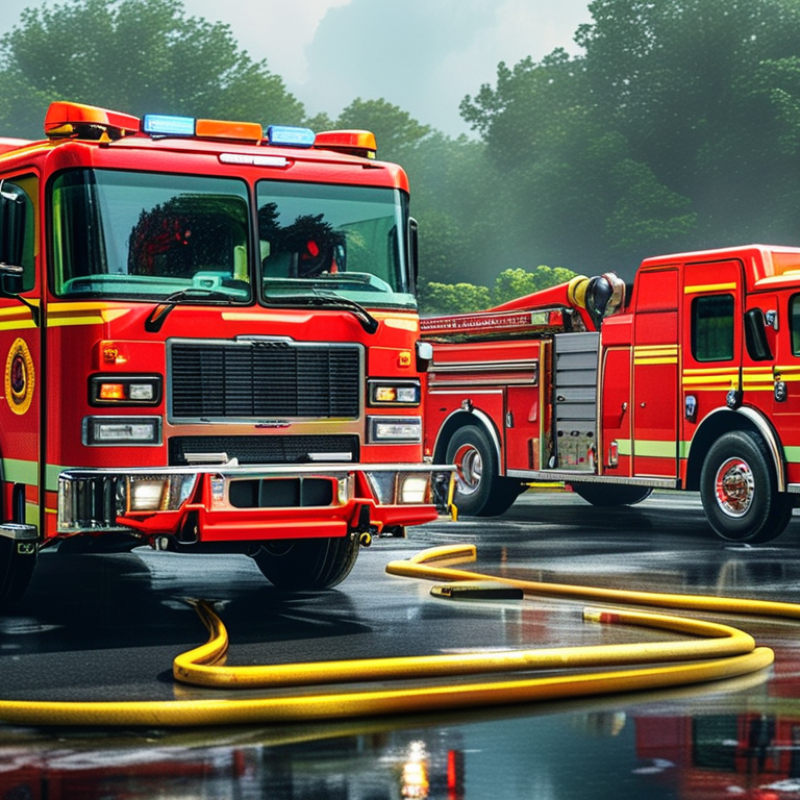
Understanding the Role of Fire Trucks in Emergency Response
Fire trucks play a crucial role in emergency response operations. Equipped with advanced tools, they are designed to tackle a variety of emergencies. According to the National Fire Protection Association (NFPA), fire departments responded to 1.3 million fires in the U.S. last year. Swift and organized responses are vital for minimizing damage and saving lives.
These vehicles are not limited to fighting fires. They often carry rescue equipment for medical emergencies and hazardous materials. The NFPA notes that about 70% of fire department calls are for non-fire emergencies. This versatility underscores the importance of fire trucks in comprehensive emergency response strategies. Innovations like aerial ladders and extrication tools enhance their effectiveness.
Despite these advances, gaps in response times persist. In urban areas, traffic congestion can delay fire truck arrival. In rural regions, access to remote areas poses challenges. Evaluating and improving access routes is essential. Fire departments must remain vigilant and continuously assess their operations. Every improvement can significantly impact emergency outcomes and community safety.
Key Features of Fire Trucks That Enhance Response Efficiency
Fire trucks play a crucial role in enhancing emergency response efficiency. One key feature is their advanced pump systems. Many fire trucks can deliver over 1,000 gallons per minute. This powerful capability allows quick suppression of flames, significantly reducing damage potential.
Moreover, the design of fire trucks is tailored for rapid deployment. Units often come equipped with pre-connected hose lines. This means firefighters can engage with a fire immediately. According to a study by the National Fire Protection Association (NFPA), faster response times lead to a greater chance of saving lives.
Additionally, a fire truck's onboard water tanks can hold up to 1,500 gallons. This is vital in areas lacking hydrants. However, not all communities have the budget for such investments. Some fire departments face challenges in accessing the latest technology. While fire trucks are critical, their effectiveness can depend on proper maintenance and training. Firefighters need to be well-versed in using gear efficiently.
Types of Fire Trucks and Their Specific Functions in Emergencies
Fire trucks are essential for emergency response. Understanding the types and functions of these vehicles can significantly impact how efficiently emergencies are handled. Different fire trucks are designed for various tasks, each playing a critical role during incidents.
The pumper truck is perhaps the most recognized type. Equipped with a powerful pump, it delivers water quickly to extinguish fires. These trucks can hold thousands of gallons of water. Their ability to connect to hydrants ensures that firefighters have a steady supply during operations.
Another vital type is the aerial truck, known for its extendable ladders. This truck allows firefighters to reach high places, such as multi-story buildings. It is crucial in rescue operations. In contrast, brush trucks are designed for wildfires. They are nimble and can access remote locations. However, each type has limitations. Not every truck can perform every task effectively. Fire departments must assess their needs based on the types of emergencies they most often face.
Why Choose a Fire Truck for Your Emergency Response Needs? - Types of Fire Trucks and Their Specific Functions in Emergencies
| Type of Fire Truck | Primary Function | Key Features | Suitable Situations |
| Pumper Truck | Water Supply and Fire Suppression | Hoses, Pump, Water Tank | Structure Fires, Vehicle Fires |
| Aerial Ladder Truck | High Reach Firefighting | Extendable Ladder, Elevated Platform | High-Rise Fires, Rescue Operations |
| Rescue Truck | Rescue Operations and Medical Aid | Medical Equipment, Rescue Tools | Accidents, Trapped Victims, Medical Emergencies |
| Tankers | Transporting Water | Large Capacity Water Tanks | Rural Areas, Wildfires |
| Wildland Fire Engine | Fighting Wildfires | Off-Road Capabilities, Pumping Systems | Forest Fires, Brush Fires |
Benefits of Choosing Fire Trucks Over Other Emergency Vehicles
Fire trucks are uniquely designed for emergency response. They offer a blend of versatility and capability. Their large water tanks allow for immediate firefighting, a feature many other emergency vehicles lack. This instant access to water can save critical minutes during emergencies. Additionally, fire trucks are equipped with advanced tools for rescue operations. They often carry hydraulic rescue tools, enabling quicker extrication in accidents.
The robust construction of fire trucks enhances safety for responders. These vehicles are designed to endure harsh conditions, providing a reliable choice during disasters. Their stature and visibility often deter potential hazards. In crowded situations, a fire truck's size can facilitate effective crowd control, ensuring safe operations. However, it’s essential to assess whether a fire truck fits your specific needs.
While fire trucks excel in many areas, they may not be the best option for every emergency. Their size can make navigation in tight spaces challenging. Consider the nature of your operations. Evaluate the balance between the benefits and limitations of fire trucks. Understanding these aspects is crucial in selecting the right vehicle for your emergency response needs.
Benefits of Choosing Fire Trucks Over Other Emergency Vehicles
Maintenance and Training Considerations for Fire Truck Utilization
When considering the utilization of fire trucks, maintenance and training are paramount. Regular vehicle maintenance ensures reliability during emergencies. This includes checking fluid levels, brakes, and communication systems. A well-maintained truck can save lives by quickly responding to emergencies.
Training staff members on fire truck operations is equally critical. It is essential for handling various situations efficiently. Team drills simulate different emergency scenarios. This preparation boosts confidence and improves response times. Firefighting techniques should be revisited frequently. Skills can fade if not practiced regularly.
Tips: Conduct biannual training sessions. Encourage teamwork and communication during drills. Review maintenance logs to spot any recurring issues. Reflect on past incidents to identify areas for improvement. Regular assessments help maintain high standards of readiness.



 Close
Close 
