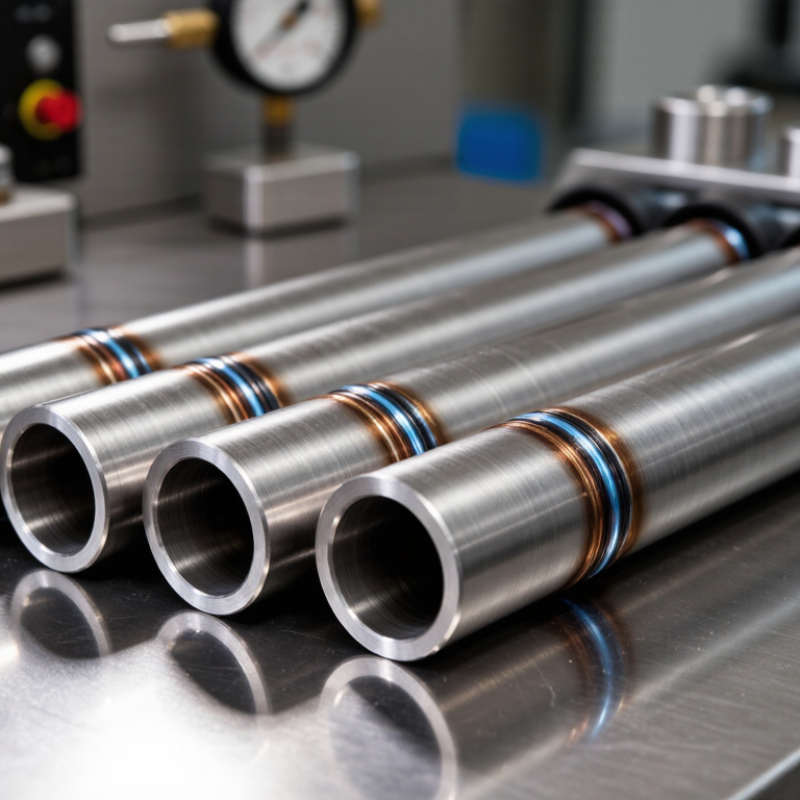
How to Choose a Welded Tantalum Tube in 2026
Compare the actual process conditions, not just a general corrosion chart. Record the fluid, concentration, operating temperature, pressure, and likely impurities. Tantalum resists many corrosive environments, but compatibility depends on the exact chemistry. Hydrofluoric acid, for example, can attack tantalum. Check the weld zone and heat-affected area with the supplier, especially for demanding service. Small details matter.
Traceability helps connect the tube to its material and manufacturing records. Ask for a material test report, heat or lot identification, dimensions, and relevant weld inspection details. Confirm that markings remain readable after cutting. A tidy datasheet is not the whole story; documentation may not capture every condition in your system. Review gaps before approving the specification.
Lifecycle cost includes installation, inspection, replacement access, and downtime—not only the purchase price. Compare expected service life using realistic operating assumptions, and avoid treating estimates as guarantees. A lower-cost tube may require more frequent checks; a premium option may not pay off in every application.
Tips: Write down chemistry and temperature ranges before requesting quotes. Ask how weld quality is verified. Keep one marked sample for receiving checks. Revisit your assumptions when process conditions change.



 Close