| Living room | Daylight, outward views, ventilation needs, and the position of furniture or walkways outside. | Choose a glazed area suited to the room and an opening direction that does not obstruct paths, balconies, or neighboring windows. Consider a multi-panel layout for a wider opening. | Confirm the clear opening, handle location, screen arrangement, and whether the sash can open safely in the intended location. |
| Bedroom | Nighttime ventilation, noise exposure, privacy, and any emergency escape requirements. | Consider an operable sash with secure multipoint locking and glazing suited to the desired balance of daylight, privacy, and sound reduction. | Check local rules for emergency escape openings. The required clear opening and access dimensions vary by jurisdiction and room use. |
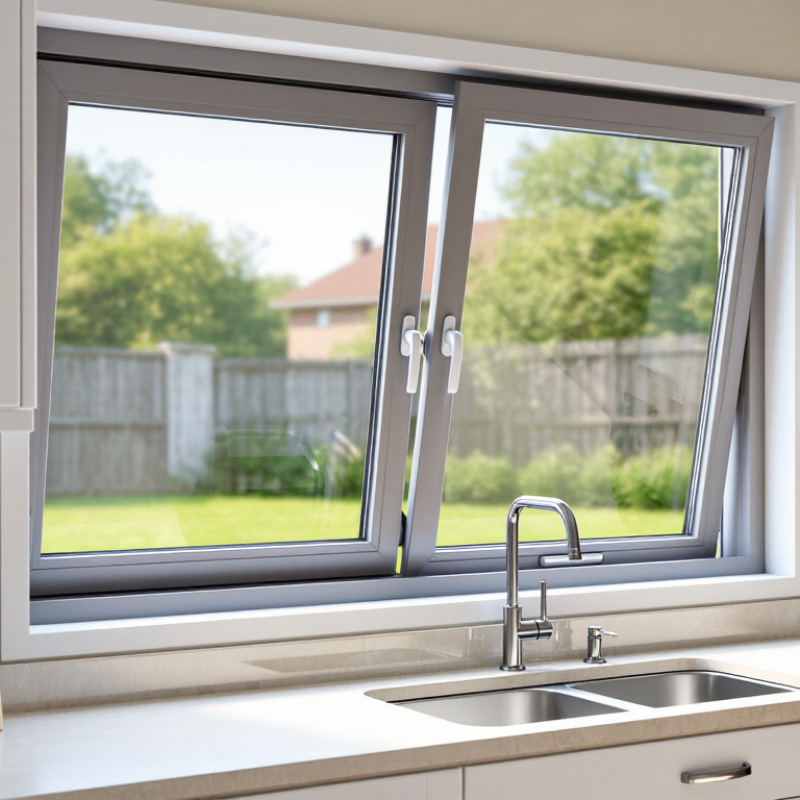
| Kitchen | Cooking heat, moisture, ventilation, splash zones, and access to the handle above counters or sinks. | Use durable hardware and moisture-resistant seals. Select an opening configuration that can be reached and operated without contacting a faucet, cabinet, or backsplash. | Verify handle clearance, ventilation needs, and the manufacturer’s cleaning and maintenance instructions for the finish and hardware. |
| Bathroom | Privacy, high humidity, condensation risk, and the need for controllable ventilation. | Consider obscure or privacy glazing and corrosion-resistant hardware. A thermally improved frame and well-sealed insulated glazing can help reduce cold interior surfaces. | Use suitable exhaust ventilation as required; a window is not a substitute for code-required mechanical ventilation. Check glazing safety requirements near tubs and showers. |
| Cold or heating-dominated climate | Heat loss, winter comfort, condensation, and local energy-code requirements. | Look for a thermally broken aluminum frame, insulated glazing, effective weather seals, and a whole-window U-factor appropriate for the climate. Lower U-factor means less heat transfer. | Compare whole-window ratings, not glass-only figures. Confirm the rating method, units, installation details, and applicable local energy code. |
| Hot, sunny, or cooling-dominated climate | Solar heat gain, direct sun, glare, orientation, and the need to retain daylight. | Consider glazing with a solar heat-gain coefficient (SHGC) suited to the building and window orientation. Lower SHGC generally reduces solar heat entering through the window. | Balance SHGC with daylight and winter heating needs. Exterior shading, overhangs, and nearby buildings can change the best choice. |
| Coastal or high-corrosion exposure | Salt spray, wind-driven rain, exposure level, and frequency of maintenance. | Ask about corrosion-resistant hardware, coating performance, drainage design, and cleaning guidance for the specific exposure conditions. | Confirm that the tested product and finish are suitable for the site. Regular rinsing and maintenance may be needed in salty environments. |
| Windy, rainy, or exposed site | Local design wind pressure, rain exposure, building height, and installation conditions. | Select a tested unit with performance ratings appropriate to the project. Proper flashing, anchoring, and perimeter sealing are essential to weather performance. | Have the project’s required design pressures and water-performance criteria verified by a qualified professional; do not rely on appearance alone. |
| Noise-sensitive room | Traffic, aircraft, or other external noise, plus the sound transmission paths around the window. | Ask for tested sound ratings and consider glazing configurations designed for acoustic performance. Tight seals and correct installation also matter. | Compare certified whole-window ratings where available. Results depend on the full assembly, installation, and the type of noise. |
| Large or heavy sash | Opening size, glazing weight, frequency of use, and user accessibility. | Choose hardware rated for the sash dimensions and weight, with an operating mechanism suited to everyday use. | Have the supplier confirm maximum sash size and weight, hardware capacity, and any limits on opening direction or configuration. |



 Close