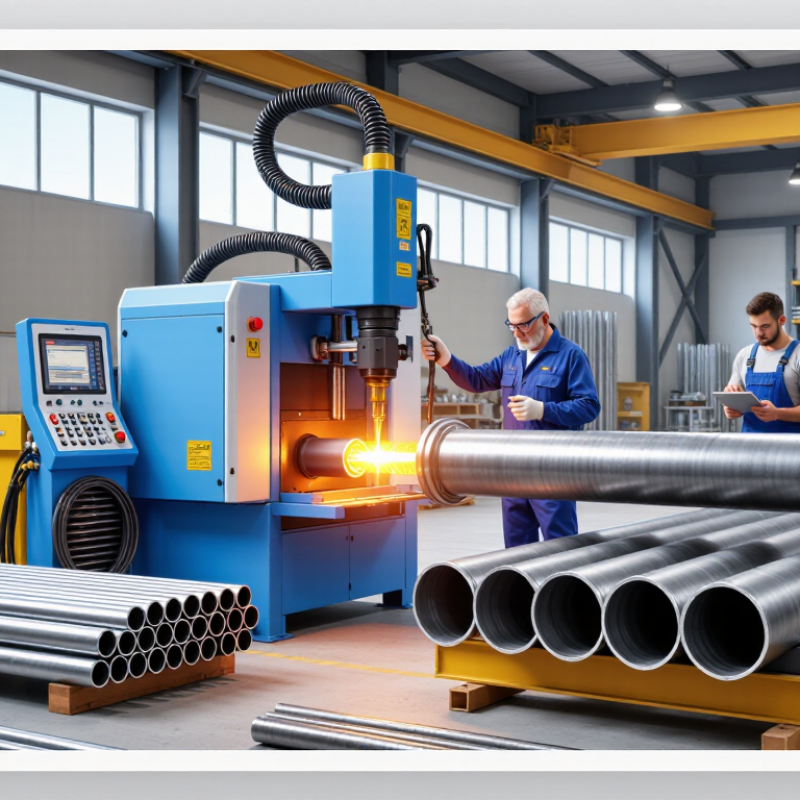
How to Choose an Auto Pipe Welding Machine?
Choosing an automatic pipe welding machine starts with compatibility, not advertised speed. Check the pipe’s outside diameter, wall thickness, material, joint design, and welding position. A machine suited to thin stainless steel may struggle with thick carbon steel. Confirm its torch travel, clamping range, rotation accuracy, and power requirements. The welding process must also match the approved procedure, including shielding gas, filler metal, current, voltage, and heat input. Small mismatches create large repair costs.
Quality standards deserve careful attention. Ask for calibration records, inspection documents, and clear operating instructions. Verify that the equipment supports your workplace welding procedures and applicable standards, such as ASME or ISO requirements. A test weld on identical pipe is more useful than a polished brochure. Check penetration, bead shape, alignment, and repeatability. Results matter.
Workplace safety cannot be treated as an accessory. Inspect grounding, emergency stops, electrical insulation, rotating guards, cable routing, and gas connections before operation. Provide ventilation for fumes, suitable eye and skin protection, hearing protection, and training for every operator. Keep hands away from moving parts. It sounds obvious, but rushed setup causes preventable mistakes. A checklist helps, although it can still miss poor ventilation or an awkward working height. Observe the machine during a real shift, then question what the checklist failed to record.



 Close
Close