How to Choose the Best Carbon Black Refining Plant for Your Needs
Choosing the right Carbon Black Refining Plant is crucial for your business's success. With various options available, understanding what fits your needs can be challenging. Factors such as production capacity, technology, and sustainability play a significant role in this decision.
It's essential to evaluate the supplier's experience and expertise in the field. A reputable company should provide robust support and ongoing maintenance. Reliability is critical because any downtime can lead to significant losses. Consulting industry reports can offer insights into past performances of different plants.
Consider your specific production requirements and future growth potential. Not all plants are created equal. Some may not accommodate scaling up operations easily. Engaging with professionals in the industry can help clarify these aspects. Remember, investing in the right Carbon Black Refining Plant could mean the difference between thriving and merely surviving in a competitive market.
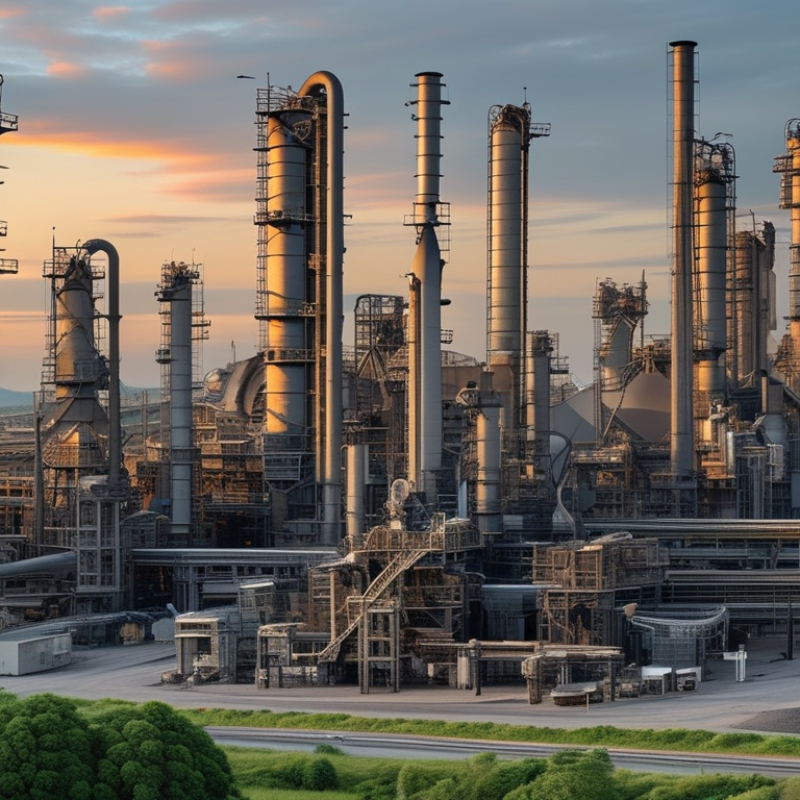
Understanding the Basics of Carbon Black Refining Plants
Choosing the right carbon black refining plant requires a clear understanding of the refining process. Carbon black is created through the incomplete combustion of hydrocarbons. The refining plants convert raw materials into usable carbon black. This transformation involves complex chemical processes that need precise control.
When evaluating potential plants, consider your specific needs. Assess the plant's technology and whether it matches your production requirements. Not all refining methods are the same; some may offer better quality output. Pay attention to energy efficiency as well. Reducing energy consumption impacts both costs and environmental effects.
Tips for selecting a plant include visiting facilities if possible. Observing operations firsthand gives valuable insights. Speak with other users to gather feedback about their experiences. Factor in the expertise of the manufacturer. Their support and service can influence operational efficiency significantly. Remember, a well-chosen plant can enhance productivity and profitability.
Key Factors to Consider When Selecting a Carbon Black Plant
When selecting a carbon black refining plant, various key factors come into play. First, assess the technology used in the plant. Advanced technologies can enhance yield and efficiency. Look for features that promise lower energy consumption and better output quality. This can lead to significant cost savings and improved competitiveness.
Another crucial factor is the facility's scalability. A plant that allows for easy expansion is important. As your production needs grow, flexibility in capacity can help adapt to changing market demands. Additionally, consider the reputation of the manufacturer. Established manufacturers often provide greater reliability. Their experience in the field can offer insights that newer companies might lack.
Lastly, pay attention to environmental compliance. A plant that adheres to regulatory standards reduces the risk of future liabilities. This can also enhance your brand's reputation in a world increasingly focused on sustainability. It’s essential to pick a carbon black plant that not only meets your current needs but also allows for future growth and aligns with sustainable practices.
Evaluating Technology and Equipment in Carbon Black Processing
Choosing the right technology and equipment for a carbon black refining plant can be challenging. Start by assessing your production needs and desired output quality. Different processes yield varying results. Understand how the equipment interacts with feedstock types. This knowledge can guide your selection effectively.
Evaluate the machinery's efficiency and operational cost. Some systems may have a higher upfront cost but reduce energy usage. Look for equipment designed for easy maintenance. This can save time and money in the long run. Also, consider scalability. An optimal plant should grow with your business.
Don’t overlook the importance of supplier support. Reliable manufacturers often offer training and technical assistance. This can enhance your operations significantly. Reflect on your previous experiences with equipment. What worked well? What didn’t? Use these insights to avoid repeating past mistakes and to make informed decisions.
Assessing Production Capacity and Efficiency Requirements
When selecting a carbon black refining plant, assessing production capacity and efficiency is crucial. Industry reports indicate that production capacity can vary significantly, often ranging from 10,000 to 70,000 tons per year. Understanding your specific requirements helps narrow down your options. For example, if your demand peaks around 50,000 tons annually, a plant capable of delivering that volume consistently will be essential.
Efficiency requirements also play a vital role. Current data suggests that modern refining processes can achieve efficiencies of up to 95%. This means that you need to evaluate not only the plant’s output but also its energy consumption, waste management, and operational costs. A more efficient process may have a higher initial investment but can lead to substantial savings in the long run.
Keep in mind that not all plants deliver expected efficiencies. Some may experience downtimes or require more maintenance than anticipated. It’s essential to review operational histories of potential plants thoroughly. Engaging with experts or visiting existing facilities can provide invaluable insights. Don't overlook these details; they significantly impact your decision-making process.
How to Choose the Best Carbon Black Refining Plant for Your Needs - Assessing Production Capacity and Efficiency Requirements
| Parameter | Description | Value |
| Production Capacity | The maximum output of carbon black the plant can produce per hour | 5,000 kg/h |
| Efficiency Rate | The percentage of input materials converted to carbon black | 95% |
| Energy Consumption | The amount of energy used per kg of carbon black produced | 0.4 kWh/kg |
| Footprint | The physical space required for the installation | 1,500 m² |
| Raw Material Requirements | Type and quality of feedstock needed for optimal production | High-quality oil residue |
| Maintenance Frequency | How often routine maintenance is needed to ensure efficiency | Every 6 months |
| Emissions Compliance | Compliance with local environmental regulations concerning emissions | Meets all standards |
Cost Analysis: Budgeting for a Carbon Black Refining Plant
When planning a carbon black refining plant, budgeting is key. Understanding the total costs can guide significant decisions. Costs vary widely. Factors such as equipment, labor, and operational expenses all influence your budget. Each element must be considered thoroughly.
A good tip for budgeting is to create a detailed cost breakdown. Identify fixed and variable expenses early. It helps to avoid surprises later on. For example, equipment costs can fluctuate based on specifications. Choose suppliers carefully, as quality impacts long-term expenses too.
Additionally, don't overlook potential maintenance costs. Routine upkeep can affect efficiency. Including a separate budget for unexpected repairs is wise. Remember, while saving money is important, investing in quality can save future headaches. Engaging with experts in the field can provide valuable insights. Their experience can highlight areas you may not initially consider.


 Close
Close