2026 How to Choose the Best Outdoor Fixed LED Display?
The demand for Outdoor fixed LED displays has surged in recent years. According to a recent market report, the global outdoor LED display market is projected to reach $10.6 billion by 2026. These displays are essential for branding and advertising, providing high visibility to audiences. However, selecting the right product can be complex.
Industry expert John Smith notes, “Choosing the right outdoor fixed LED display requires understanding your specific needs and local environment.” This reflects the importance of considering factors like brightness, resolution, and durability. With varying technologies available, potential buyers face challenges in making informed choices.
Many options claim to offer the best performance, yet not all meet quality standards. Some displays may fade under direct sunlight or fail in harsh weather conditions. It's crucial to reflect on your requirements and seek displays that are both reliable and effective. Prioritizing quality can lead to a more beneficial investment.
Understanding Outdoor Fixed LED Displays and Their Benefits
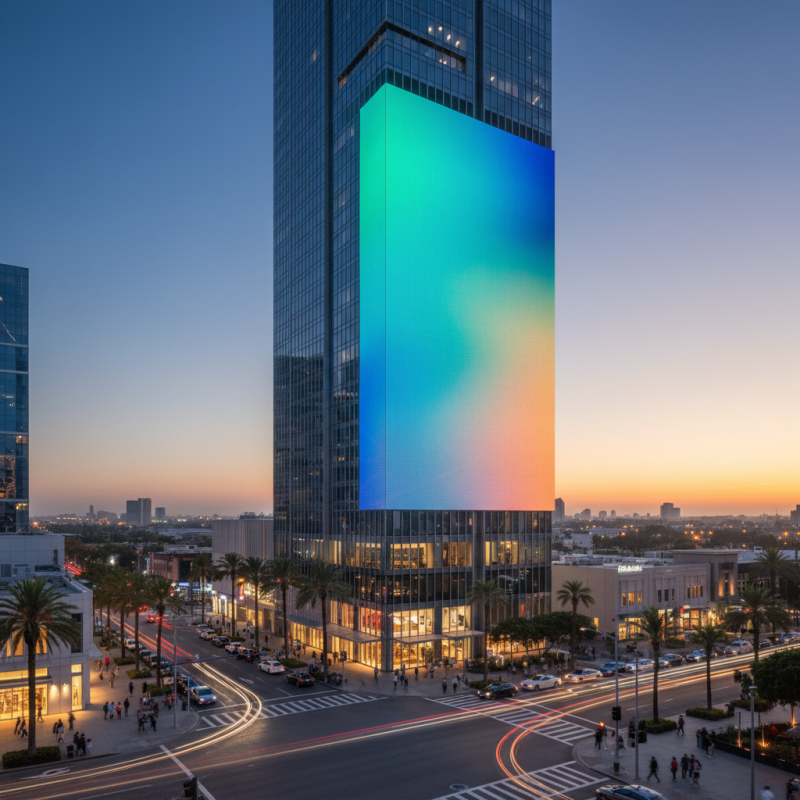
Outdoor fixed LED displays have gained traction due to their numerous benefits. These displays offer vibrant colors and high brightness levels, making them visible even in direct sunlight. They are designed to withstand harsh weather conditions, ensuring longevity and reliability. Businesses often choose these displays for advertising, event promotion, or information sharing.
Understanding their features is crucial. Resolution matters significantly; higher resolution provides better image quality. Installation and maintenance aspects also require consideration. Some displays may need frequent servicing, which can be inconvenient. Therefore, evaluating the total cost of ownership is essential.
The impact of outdoor fixed LED displays on audience engagement is immense. A well-placed display can attract attention and convey messages effectively. However, selecting the right display involves careful thought. Not all displays suit every environment or purpose. Reflecting on the unique needs of your audience and location is vital before making a decision.
Key Factors to Consider When Choosing an Outdoor LED Display
When selecting an outdoor fixed LED display, there are several key factors to keep in mind. One critical consideration is the display's brightness. Outdoor environments require high lumens, typically in the range of 5,000 to 8,000 nits, to ensure visibility under direct sunlight. According to a report by MarketsandMarkets, the demand for high-brightness displays is increasing, projected to grow by 15% annually. This growth indicates the necessity for better visibility solutions in competitive advertising spaces.
Another essential aspect is the pixel pitch, which impacts image clarity. A smaller pixel pitch results in a higher resolution, allowing for sharper images and text. For outdoor displays, a pixel pitch of 10mm or smaller is often recommended. Research from the Outdoor Advertising Association of America (OAAA) shows that higher resolution displays can improve viewer engagement by nearly 30%. This statistic underscores the importance of resolution in attracting potential customers.
Durability and weather resistance should also be examined. Outdoor displays must withstand various weather conditions. Look for displays with an IP65 rating or higher, indicating dust and water resistance. Many manufacturers conduct these tests, but not all meet the industry standards. Checking independent reviews and certifications can provide assurance that the display will perform reliably over time. Keeping these factors in mind will lead to informed decisions when investing in outdoor LED technology.
Evaluating Display Specifications: Brightness, Resolution, and Size
When choosing an outdoor fixed LED display, evaluating display specifications is crucial. Brightness is a primary factor. High brightness levels are essential for visibility in sunlight. A display with 5000 nits or more is often recommended for outdoor use. This ensures that images remain vibrant and clear, even during the brightest days.
Resolution is another key aspect. The resolution needs to fit the viewing distance. If viewers stand far away, a lower resolution might suffice. However, close viewing requires higher resolution for a sharper image. A common mistake is selecting a display without considering its pixel pitch. A smaller pixel pitch provides better detail but can increase costs.
Size also matters considerably. The display should fit the intended environment. A large screen can overwhelm a small area, while a display too small may not grab attention. Placement and audience engagement should guide size decisions. A thoughtful approach to these specifications will lead to better outcomes. Reflecting on past choices can reveal gaps in understanding display needs. These elements together create an effective outdoor LED display.
Assessing Durability and Weather Resistance for Outdoor Displays
When choosing an outdoor fixed LED display, durability is crucial. These displays face harsh weather, including rain, snow, and extreme heat. The materials used in the construction of the display determine its lifespan. Look for features like waterproof sealing and UV-resistant coatings. Displays should pass rigorous tests for both water and dust ingress, typically rated as IP65 or higher.
Weather resistance does not only protect the display but also ensures optimal performance. High temperature can warp frames, while heavy rain can damage internal components. Tests under varied conditions help in understanding how these displays will perform over time. It’s important to check reviews or seek advice from experts to assess real-world performance data. Some displays may excel in one condition but falter in another, pointing out the need for careful evaluation.
Consider how installations face local climate conditions. A display that performs well in a dry, temperate zone may not hold up in tropical areas with high humidity. Reflecting on failure points is essential for making informed choices. Collecting user feedback can provide insights into the long-term reliability of specific models.
2026 How to Choose the Best Outdoor Fixed LED Display? - Assessing Durability and Weather Resistance for Outdoor Displays
| Parameter | Description | Recommended Value |
| Pixel Pitch | The distance between the centers of two adjacent pixels | 10mm - 16mm |
| Brightness | Measured in nits, the brightness level suitable for outdoor visibility | 5000 - 8000 nits |
| Ingress Protection Rating (IP) | Measures the degree of protection against dust and water | IP65 or higher |
| Operating Temperature Range | The temperature range within which the display operates effectively | -20°C to +50°C |
| Weight | Weight of the LED display per square meter | < 30 kg/m² |
| Lifespan | Average operational lifespan of the display in hours | > 100,000 hours |
Budgeting and Cost Considerations for Outdoor LED Displays
When planning for an outdoor LED display, budgeting is crucial. Determine the overall budget early on. Costs can vary significantly based on size, resolution, and installation. Higher resolution displays provide better visuals but at a premium. Generally, a budget between $10,000 and $100,000 is a good starting point for small to mid-sized installations.
Installation expenses can catch many off guard. Professional installation ensures safety and compliance with local regulations. Consider additional costs like maintenance and repairs, which can add up over time. A quality display may cost more upfront but can be more reliable over its lifespan. Not factoring maintenance could lead to unexpected financial burdens.
It's also essential to think about the location. Demands and environmental factors can influence costs. For example, displays exposed to harsher weather might need extra protective measures. This can raise expenses but will ultimately protect your investment. Balancing costs and quality is not straightforward and can lead to difficult decisions. Always allow for flexibility in your budget.



 Close
Close