How to Choose Miniature Angular Contact Bearings for Your Needs?
When selecting Miniature Angular Contact Bearings, it is essential to consider various factors. These bearings play a crucial role in precision applications. Their design allows them to handle both radial and axial loads efficiently. This versatility makes them popular in robotics, aerospace, and medical devices.
Understanding the nuances of Miniature Angular Contact Bearings can be challenging. Each application has different requirements, and not every bearing will suit your needs. Factors like load ratings, dimensions, and materials should be carefully evaluated. Misjudging these can lead to premature failure or inefficiency in your machinery.
Don’t underestimate the importance of expert input. Seeking advice from professionals may help in making informed choices. Consulting with manufacturers can provide insights into the best options available. This will enhance the performance and reliability of your systems. Remember, the right bearings can make a significant difference in the longevity of your projects.
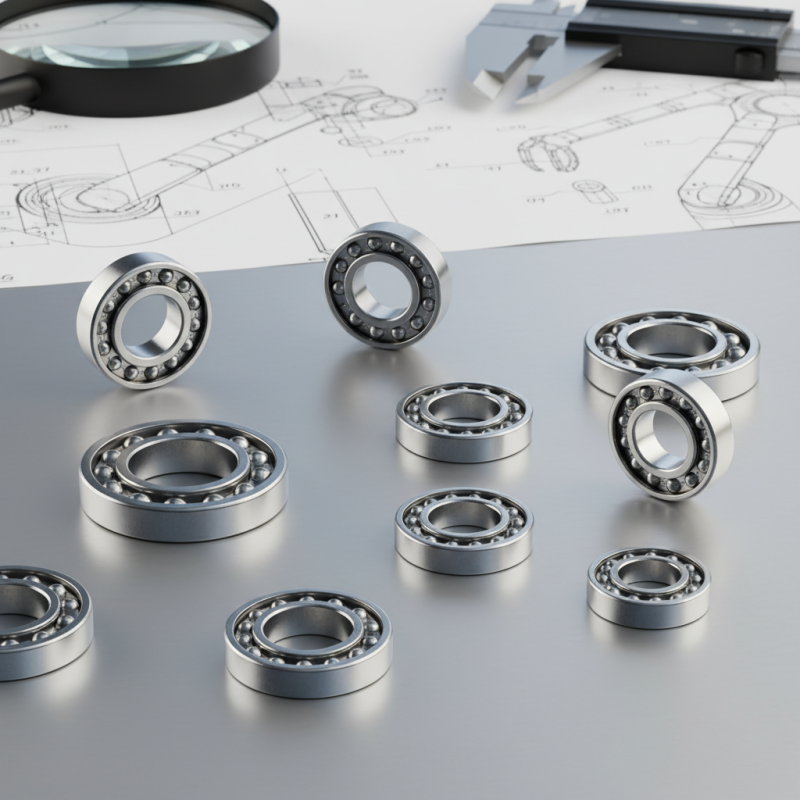
Understanding Miniature Angular Contact Bearings and Their Applications
Miniature angular contact bearings are vital components in various precision applications. They allow for high-speed operation and versatile mounting options. These bearings are commonly used in robotics, aerospace, and medical equipment. Their ability to handle both axial and radial loads makes them highly efficient. Understanding their specifications and suitable applications is essential for optimal performance.
When selecting miniature angular contact bearings, consider load ratings. Bearings must support the expected load without excessive wear. Operating conditions also play a key role. Temperature and environment can impact performance. For example, bearings exposed to dust may require special seals.
Tips: Always refer to the manufacturer’s guidelines for installation. Proper lubrication is crucial for longevity. Regular maintenance checks can prevent premature failure. Choosing the right bearing can feel overwhelming. Weighing all options carefully can lead to better results. Trust your instincts while gathering data and feedback. Aim to strike a balance between cost and quality for the best performance.
Key Factors to Consider When Choosing Miniature Angular Contact Bearings
When selecting miniature angular contact bearings, several key factors come into play. The first consideration is the load capacity. These bearings must handle axial and radial loads effectively. Assessing the specific application helps in determining the correct load ratings.
Another crucial aspect is the precision grade. High-precision bearings minimize operational errors. Check the tolerance levels suitable for your requirements. Additionally, the machining materials matter greatly. Common materials include steel and ceramic, each offering unique benefits and drawbacks. Each choice can impact performance and longevity.
Finally, lubrication type should not be overlooked. Proper lubrication minimizes wear and tear. It also affects the bearing’s operational temperature. Many users neglect this aspect, leading to premature failure. Pay close attention to each factor. Your choice in miniature angular contact bearings can significantly influence overall machinery performance.
Analyzing Load Ratings and Speed Requirements for Your Bearings
When selecting miniature angular contact bearings, it is crucial to analyze load ratings and speed requirements accurately. Load rating refers to the maximum load that the bearing can accommodate while ensuring optimal performance and longevity. According to the ABMA (American Bearing Manufacturers Association), using a bearing above its load rating can lead to premature failure. In contrast, an underloaded bearing may not operate efficiently. For high-speed applications, a bearing with a higher dynamic load rating is essential to minimize wear and reduce vibration.
Understanding speed requirements is equally important. Bearings are often classified by their maximum operating speed. For instance, a 2013 report from the International Organization for Standardization indicated that operating beyond the specified speed can generate excessive heat. This heat can compromise both lubrication and material integrity. Selecting a bearing designed for specific speed ratings helps enhance performance.
It’s worth noting that different applications have varying needs. For example, the aerospace sector requires bearings that can handle extreme loads and speeds, while robotics might prioritize durability under lighter loads. A mismatch between load capacity and speed can lead to operational inefficiencies. Thus, careful evaluation of both aspects is essential. A small oversight in these decisions might lead to significant operational costs.
Material Selection and Its Impact on Bearing Performance
Material selection plays a crucial role in the performance of miniature angular contact bearings. Different materials offer varying levels of strength, weight, and resistance to wear. For example, steel bearings provide excellent durability but can add significant weight. Ceramic materials, on the other hand, are lightweight and resistant to corrosion but may be more brittle. Understanding these characteristics allows for a more informed choice.
Tips: Consider the operating environment when selecting materials. If your bearings will face moisture, a corrosion-resistant option may be necessary. Pay attention to the load capacity of the material under specific conditions.
Another aspect to think about is the manufacturing process. How a bearing is produced affects its overall quality. Even small imperfections can lead to premature failure. Analyze suppliers closely. Research materials and their performance metrics. Look for credible data to support your choices.
Tips: Check for certifications that indicate high manufacturing standards. Don’t hesitate to ask for detailed reports on material performance. This verification can prevent costly mistakes. Making the right decision today can save time and resources in the long run.
How to Choose Miniature Angular Contact Bearings: Performance Based on Material Selection
Installation and Maintenance Tips for Miniature Angular Contact Bearings
When dealing with miniature angular contact bearings, installation and maintenance are crucial for optimal performance. Proper installation ensures they function efficiently. It's essential to verify the bearing's alignment before securing it. Misalignment can lead to premature wear. Use appropriate tools, as correct torque settings prevent damage during installation.
Regular maintenance is key to prolonging the life of these bearings. Clean the bearings every few months to remove contaminants. Use the right lubricants, as improper choices can lead to failure. Ensure that the lubrication level is adequate and check for any signs of wear.
Tip: Always consult a professional if you're unsure about installation or any maintenance procedure. Small mistakes can lead to significant issues later. Pay attention to how the bearings feel during operation. Unusual noises or vibrations can indicate a problem. Regular checks can save time and resources in the long run.
How to Choose Miniature Angular Contact Bearings for Your Needs? - Installation and Maintenance Tips for Miniature Angular Contact Bearings
| Bearing Type | Inner Diameter (mm) | Outer Diameter (mm) | Width (mm) | Load Rating (kg) | Speed Rating (rpm) | Material |
| Angular Contact Bearing A | 10 | 24 | 6 | 35 | 30000 | Stainless Steel |
| Angular Contact Bearing B | 12 | 28 | 7 | 45 | 25000 | Ceramic |
| Angular Contact Bearing C | 15 | 30 | 8 | 50 | 20000 | Steel |



 Close
Close