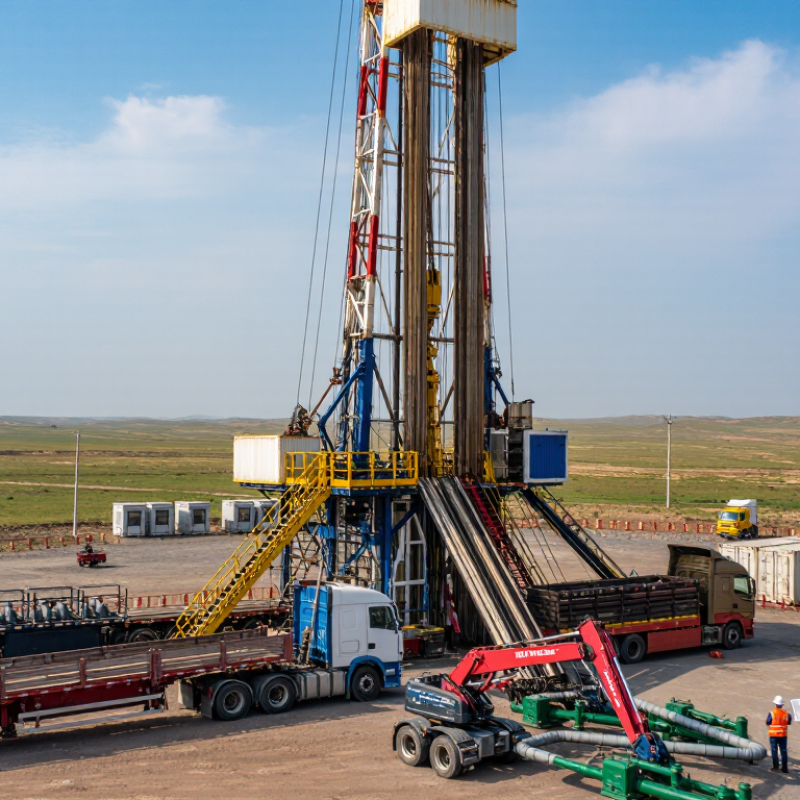
Drilling rig power system
Engines, generators, drives, and power distribution | Fuel or energy use, routine service, overhaul intervals, spare parts, emissions controls, and downtime caused by power interruptions. | Review operating hours, maintenance records, load-test results, alarm history, and availability of critical components. Check performance across expected loads and ambient conditions. | Ask for commissioning and load-testing procedures, troubleshooting response times, technician availability, and parts lead times for the operating location. | Applicable electrical, emissions, and equipment requirements depend on the rig design, location, and operating conditions. | Can the system meet peak and continuous load requirements? Are fuel consumption and service assumptions documented for the planned duty cycle? |
Mud pumps
Fluid-end and power-end assemblies | Consumable liners, pistons, valves, seats, fluid-end repairs, lubrication, planned overhauls, and lost drilling time during maintenance. | Check pressure and flow ratings against the drilling program, vibration and temperature monitoring, maintenance history, and availability of compatible wear parts. | Confirm access to fluid-end parts, repair procedures, technical training, and qualified service personnel. Request documented commissioning and maintenance plans. | API Spec 7K covers drilling and well-servicing equipment; verify the applicable edition and equipment scope for the specific pump. | Do rated pressure, flow, and power match the planned mud program? What routine inspection and replacement intervals are recommended? |
Top drive
Rotating, hoisting-interface, and control components | Preventive maintenance, gearbox and motor service, control-system support, replacement components, and downtime during troubleshooting or repair. | Review operating records, inspection reports, control-system diagnostics, rated loads, and the condition of rotating and load-bearing components. | Evaluate field-service coverage, software and controls support, operator training, spare-part availability, and repair turnaround arrangements. | API Spec 8C addresses drilling and production hoisting equipment; API Spec 7K may apply to relevant drilling equipment. Confirm scope for the selected configuration. | Are rated loads and operating limits suitable for the rig? Can the supplier support the control system throughout the intended service life? |
Blowout preventer (BOP) equipment
Preventive and well-control equipment | Inspection, testing, maintenance, recertification where required, control-system service, storage, and the cost of planned or unplanned downtime. | Verify configuration and pressure ratings against the well program. Review inspection, maintenance, pressure-test, and function-test records, plus traceability of critical components. | Require documented maintenance and testing support, trained personnel, access to compatible control-system parts, and clear procedures for repair and recertification. | API Spec 16A covers drill-through equipment. Applicable regulatory requirements and well-control standards vary by jurisdiction and application. | Does the BOP configuration meet the well design and applicable regulations? Are test procedures, acceptance criteria, and service responsibilities clearly defined? |
Solids-control equipment
Shale shakers, screens, and associated equipment | Screen replacement, energy use, maintenance, fluid-treatment impacts, and costs associated with reduced separation performance or excess drilling-fluid losses. | Check capacity against expected flow, screen condition, vibration, operating records, and performance under the planned fluid and solids conditions. | Ask about screen availability, sizing guidance, installation training, troubleshooting, and how the supplier verifies performance for the intended application. | API RP 13C provides testing and labeling practices for drilling-fluid processing equipment screens; check applicability to the equipment and current edition. | Is the equipment sized for expected flow and solids loading? Are screen specifications and performance claims supported by test information? |
Drawworks and hoisting equipment
Hoisting, braking, and associated systems | Brake and drivetrain maintenance, inspection, lubrication, control-system service, component replacement, and operational downtime. | Review rated capacity, brake inspection and test records, maintenance history, alarms, and the condition of load-bearing and safety-critical components. | Confirm the availability of qualified inspection and repair support, technical documentation, critical spares, and clear service escalation procedures. | API Spec 8C addresses drilling and production hoisting equipment. Confirm the standard’s scope and applicable regulatory requirements. | Are capacity and braking characteristics appropriate for the planned loads and duty cycle? What inspections and tests are required before operation? |



 Close