How to Choose Reflective Workwear for Safety and Visibility?
Choosing the right reflective workwear is crucial for safety. In many industries, visibility can save lives. Tom Harris, an expert in occupational safety, once said, "Reflective workwear is the first line of defense against accidents." This underscores the importance of selecting the best gear.
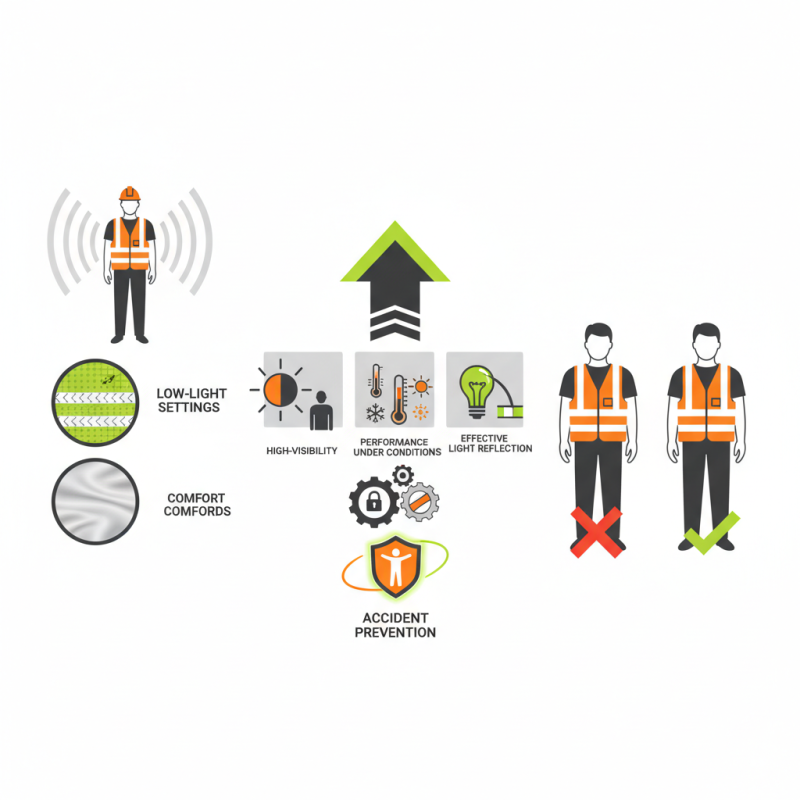
reflective workwear comes in various styles and materials. Factors like fabric quality, comfort, and visibility levels matter. For example, workers in low-light settings need high-visibility gear. It must perform well under specific conditions, reflecting light effectively.
However, many people overlook the importance of fit and comfort. Tight or loose clothing can hinder movement. This can lead to accidents. Evaluating choices carefully can make a significant difference in safety outcomes. Prioritize reflective workwear that not only meets safety standards but also fits well. This ensures that workers remain safe while performing their tasks.
Understanding the Importance of Reflective Workwear for Safety
Reflective workwear plays a crucial role in ensuring safety. According to the National Institute for Occupational Safety and Health (NIOSH), around 4,500 worker fatalities occur each year in the U.S. Many of these incidents happen in environments with low visibility. Reflective clothing increases visibility significantly. Studies show that wearing reflective gear can reduce the risk of accidents by up to 60%.
Reflective materials help workers stand out in hazardous conditions. In construction zones or during nighttime operations, it is vital that employees are easily seen. A reflective vest or jacket can make a significant difference. In fact, the American National Standards Institute (ANSI) highlights that high-visibility clothing can help prevent an estimated 80% of close calls. Still, many workers overlook this essential equipment.
Choosing reflective workwear should not be arbitrary. The right fit and brightness make all the difference. Comfort is key, yet many workers sacrifice it for style. This can lead to discomfort and distraction, potentially hindering performance. Workers must invest in quality that meets safety standards. Opting for subpar materials can mean risking their safety. It's about striking a balance between compliance and comfort.
Reflective Workwear Visibility Statistics
Key Features to Look for in Reflective Workwear
When selecting reflective workwear, several key features are vital for ensuring safety and visibility. Bright colors like neon yellow or orange significantly enhance visibility. According to the Occupational Safety and Health Administration (OSHA), visibility is crucial for reducing accidents in hazardous environments. The workwear should ideally utilize high-quality reflective materials that comply with safety standards, like ANSI/ISEA 107.
The placement and amount of reflective striping matter too. Studies indicate that adequate reflective areas can increase visibility by up to 300%. Vest styles are popular for their breathability, but full suits provide complete coverage. The fit is equally important; loose clothing can hinder movement and create safety risks. Meanwhile, a snug fit helps prevent accidents while working.
Consider weather resistance as well. Some reflective workwear is designed to be waterproof or windproof, adding comfort and safety in harsh environments. However, some offerings lack proper ventilation, which could lead to overheating during long shifts. This creates a dilemma—balancing warmth with breathability is essential. Finding that perfect blend often requires trial and error, which is vital for comfort on the job.
Different Types of Reflective Materials and Their Uses
When selecting reflective workwear, understanding the types of reflective materials is crucial. There are several options available, each with unique properties. Some materials have micro-prismatic technology, which reflects light efficiently. Others utilize glass beads, providing good visibility at night. Each serves different needs based on the work environment.
Different industries may require distinct reflective materials. In construction, breathable reflective textiles are essential. They offer comfort while ensuring visibility. Emergency responders may prefer highly reflective fabrics for maximum safety. These materials often withstand harsh conditions. It’s important to match the right material to the job type.
Not all reflective workwear is created equal. Consider weight, flexibility, and durability. Sometimes, materials may wear out faster than expected. Reflective strips may fade after cleaning. Reflections may not be as bright as when new. This requires regular checks to maintain safety standards. Ultimately, selecting the right reflective material can make all the difference in visibility and safety on the job.
How to Choose Reflective Workwear for Safety and Visibility?
| Reflective Material Type | Description | Common Uses | Visibility Level |
| Glass Bead Retroreflective | Utilizes tiny glass beads to reflect light back to its source. | Traffic signs, safety vests, and work uniforms. | High |
| Microprismatic Reflective | Features microprisms that enhance brightness and visibility. | Construction and roadwork apparel, emergency responder gear. | Very High |
| LED Illuminated | Incorporates LED lights for enhanced visibility in low-light conditions. | Nighttime visibility for road construction, security personnel. | Extremely High |
| Fluorescent Materials | Bright colored fabrics that enhance visibility in daylight. | Daytime work apparel, outdoor safety gear. | High |
| Reflective Tape | Strips of retroreflective material that can be applied to surfaces. | Marking hazards, vehicles, and equipment. | High |
Sizing and Fit Considerations for Effective Visibility
Effective visibility in work environments relies heavily on proper sizing and fit of reflective workwear. A recent study by the National Safety Council highlighted that over 30% of workplace accidents occur in low-visibility settings. This underscores the importance of choosing the right attire that fits well. Clothing that is too loose can snag on equipment, while overly tight apparel may restrict movement, both of which can lead to hazardous situations.
When selecting reflective workwear, consider the size and shape of the body. Each individual has unique dimensions. For instance, the Bureau of Labor Statistics found that about 50% of workers report discomfort due to improperly fitted gear. Ensuring the right fit not only enhances visibility but also boosts confidence, enabling workers to perform effectively. Opt for garments with adjustable features, like elastic cuffs or waistbands, to accommodate various body types while maintaining a snug fit.
It's also important not to overlook the layering aspect. Underneath reflective gear, wearing moisture-wicking materials can prevent sweat buildup, which can lead to distraction. Research indicates that distractions contribute to over 20% of workplace incidents. Therefore, integrating style and comfort in your workwear selection is crucial for safety as well as visibility. Reflecting on the balance between practicality and performance can guide choices that ultimately safeguard workers while enhancing visibility in their working environment.
Assessing Environmental Factors for Worksite Safety and Visibility
When choosing reflective workwear, assessing environmental factors is crucial. The worksite’s lighting conditions play a key role. For example, areas with low light require brighter, more reflective fabrics. Workers in forests may need camouflage reflective gear that blends with nature yet enhances visibility. Contrast is important, too. High-visibility colors should stand out against the background.
Weather conditions also influence your choices. Rain can wash out colors and reduce visibility. In such cases, waterproof reflective materials are essential. Wind and dust can also affect how well a reflective garment performs. Consider situations where protection from these elements is necessary.
It's not just about visibility; comfort and fit matter too. Tight clothing can restrict movement. Loose fitting gear, while visible, might get caught in machinery. Balancing safety and functionality is often tricky. Knowing what works best for your environment may take some trial and error. Testing different options in real situations can provide valuable insights. Prioritize gear that meets the demands of your specific worksite for optimal safety.


 Close
Close