How to Choose the Right Auto Parts Bearings for Your Vehicle?
Choosing the right Auto Parts Bearings is crucial for maintaining your vehicle's performance. Bearings play a key role in reducing friction between moving parts. When selecting auto parts bearings, various factors must be considered.
Compatibility with your vehicle model is essential. Different cars require different bearing types. Not all bearings are created equal. For instance, some are designed for high-speed conditions, while others are meant for heavier loads. An improper choice can lead to increased wear or even failure.
Quality matters too. Not every brand offers the same durability. Sometimes, lower-priced bearings lack the reliability you need. It's worth doing research to find reputable manufacturers. You should reflect on whether you prioritize cost or longevity. Failing to choose wisely could lead to costly repairs down the line.
Understanding the Role of Bearings in Vehicle Performance
Bearings play a crucial role in your vehicle's overall performance. They reduce friction between moving parts, helping components work smoothly together. Quality bearings can improve fuel efficiency and enhance handling. In contrast, poor-quality bearings can lead to significant mechanical issues. A noisy ride or uneven tire wear could signal bearing problems.
When choosing bearings, consider their material and type. Steel is common, but ceramic options exist. Different environments can affect performance, for example, moisture can lead to rust. Also, the load capacity of the bearing matters. Overloading can cause premature wear or failure. It’s essential to match the bearings to your vehicle's specifications.
Many drivers overlook bearings until issues arise. Regular maintenance can prevent bigger problems. Routine inspections can reveal wear signs early. Ignoring these elements can lead to costly repairs. The right bearings can extend vehicle life and save money. Overall, investing time in understanding bearings yields long-term benefits for any vehicle owner.
Identifying the Different Types of Auto Parts Bearings Available
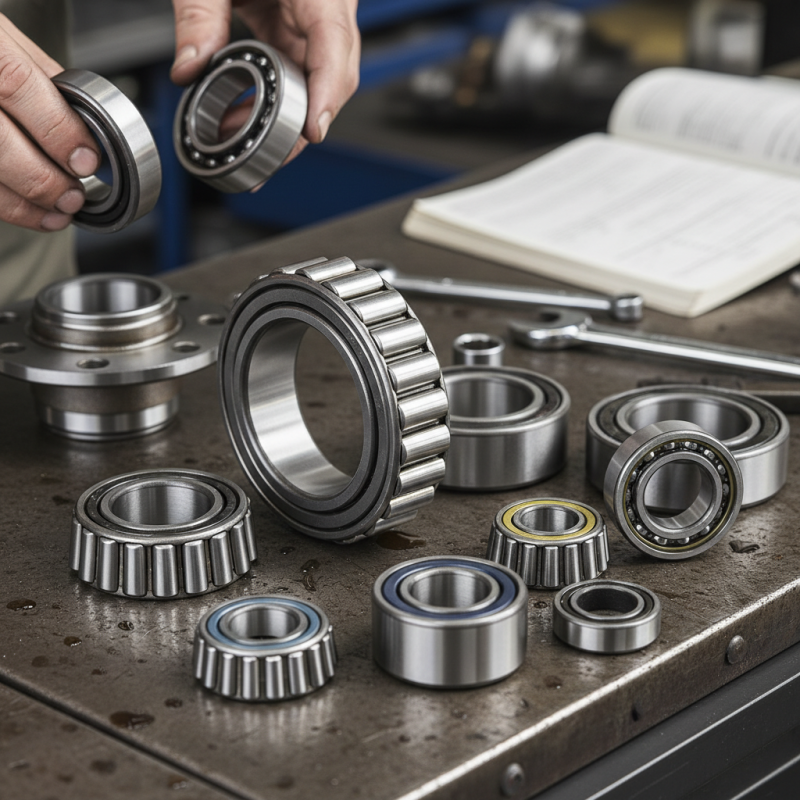
When selecting auto parts bearings, it’s crucial to understand the various types available. There are Ball Bearings, roller bearings, and tapered bearings, each designed for specific applications. Ball bearings are commonly used due to their versatility. They support radial and axial loads efficiently. Roller bearings, on the other hand, handle heavier loads better. They're ideal for larger vehicles. Tapered bearings are often used in wheel applications, as they manage both radial and thrust loads effectively.
Tips: Always check compatibility. Some bearings might not fit your vehicle model. Look for wear signs like noise or vibration. Regular maintenance helps in identifying issues early.
It's easy to overlook the importance of quality in bearings. Cheap options might seem tempting, but they can lead to premature failure. Consider your driving habits and the vehicle's demand. Heavier vehicles require more durable bearings. Also, be aware of the installation process. Improper installation can lead to serious problems. Researching the right type will save money in the long run.
Evaluating Compatibility with Your Vehicle's Make and Model
Choosing the right auto parts bearings requires careful consideration. Evaluating compatibility with your vehicle's make and model is crucial. According to a report by the Automotive Aftermarket Suppliers Association, approximately 25% of vehicle issues are linked to incorrect parts. This statistic highlights the importance of ensuring correct specifications.
When looking for bearings, review your vehicle’s manual. This manual provides essential specifications like bearing sizes and types. Online databases also offer compatibility charts. These resources help in assessing whether a specific bearing fits your vehicle. Incompatibility can lead to significant expenses. Ignoring recommendations can result in improper function or premature failure.
Bearings serve as essential components in many vehicle systems. They reduce friction and support moving parts. A mismatch can cause uneven wear. Additionally, it can affect performance dynamics. This consideration is critical for intensive applications, like racing or heavy-duty operations. The research emphasizes the necessity of a thorough evaluation for reliable vehicle operation. Be diligent in your choices.
How to Choose the Right Auto Parts Bearings for Your Vehicle?
| Vehicle Make | Vehicle Model | Bearing Type | Diameter (mm) | Width (mm) | Load Rating (kg) |
| Toyota | Camry | Ball Bearing | 25 | 15 | 500 |
| Honda | Civic | Roller Bearing | 30 | 12 | 450 |
| Ford | F-150 | Tapered Bearing | 35 | 18 | 550 |
| Chevrolet | Silverado | Spherical Bearing | 40 | 20 | 600 |
| Nissan | Altima | Deep Groove Bearing | 22 | 14 | 420 |
Assessing Material Quality and Durability of Bearings
When choosing bearings for your vehicle, one crucial factor is material quality. High-quality materials ensure better performance and longevity. According to industry reports, bearings made from heat-treated steel can significantly reduce wear and tear. This type of steel offers enhanced fatigue resistance. The right material can also lower friction, leading to improved fuel efficiency and smoother operation.
Durability is another key consideration. Not all bearings will withstand harsh conditions. A report from the National Institute of Standards and Technology notes that ceramic bearings can last up to four times longer than traditional steel options. However, they may come with a higher upfront cost. It's essential to evaluate whether the increased longevity justifies the investment. Many vehicle owners overlook the potential savings over time.
In addition, it's vital to consider the operating environment of your vehicle. For example, if you frequently drive in wet or muddy conditions, corrosion-resistant bearings are essential. They may be more expensive, but they prevent costly repairs down the road. Every detail matters. Cutting corners on bearing quality could lead to unexpected breakdowns and more significant expenses later.
Bearing Material Quality and Durability Assessment
Tips for Proper Installation and Maintenance of Auto Bearings
Proper installation and maintenance of auto bearings are crucial for vehicle performance. Start by ensuring you have the right tools. Use high-quality grease to enhance longevity. Often, people forget to clean the bearing surfaces before installation. Dust and debris can lead to premature wear. It’s a simple step that many overlook.
When installing bearings, pay attention to alignment. Misalignment can cause uneven wear and tear. Tightening bolts too much or too little can create issues. Check the torque specifications provided in your vehicle service manual. Don’t rush through this process; taking your time can save future headaches.
Regular inspection is important, too. Check for any signs of abnormal noise during your drives. This may indicate a problem. After some time, consider replacing bearings even if they seem fine. Sometimes, waiting too long can lead to bigger issues down the road. A proactive approach can keep your vehicle running smoothly.



 Close
Close