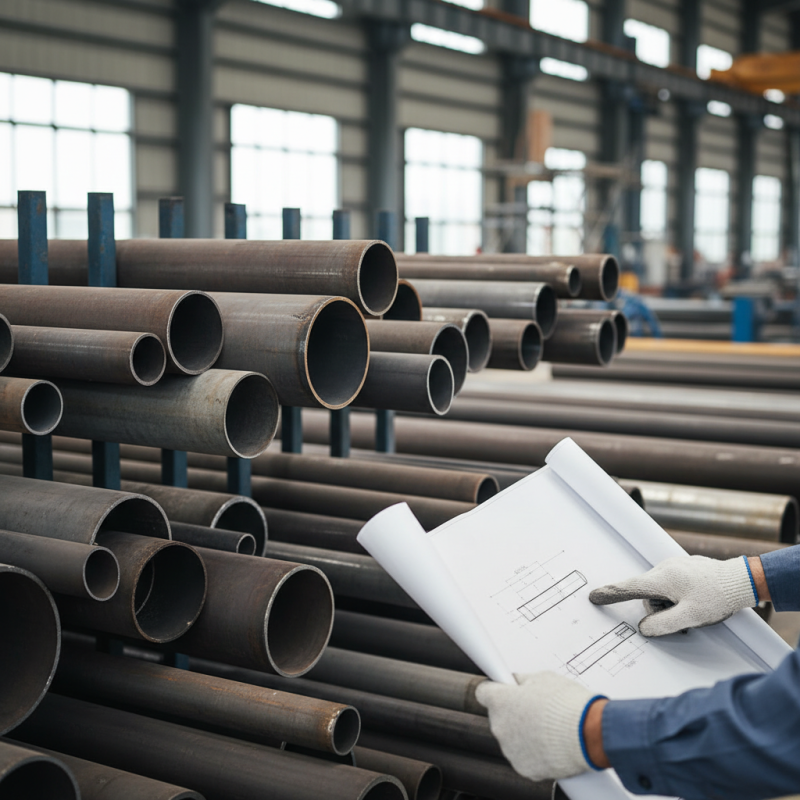
How to Choose the Right Carbon Steel Pipe for Your Project?
Choosing the right Carbon Steel Pipe for your project is crucial. This selection can impact both the quality and safety of your construction. Understanding the specific needs of your project is essential.
Carbon Steel Pipes come in various grades and sizes. Each type serves different applications. For instance, not all pipes withstand high pressure or temperature. Knowing these details will guide your choice.
However, it’s easy to overlook key specifications. Sometimes, the options can be overwhelming. Manufacturers often provide extensive information, but it's vital to focus on your unique requirements. Don't hesitate to seek advice from industry experts. Their experience can ensure you make an informed decision.
Understanding Carbon Steel Pipe Grades and Their Applications
When selecting the right carbon steel pipe, understanding pipe grades is crucial. Carbon steel pipes are classified by grades that indicate their strength, ductility, and suitability for various applications. Common grades include A53 and A106. According to the American Society for Testing and Materials (ASTM), A53 pipes are used primarily in structural applications, while A106 pipes are ideal for high-temperature service.
The application of these grades often reflects their mechanical properties. For instance, A106 Grade B has a minimum yield strength of 240 MPa and is often used in steam pipelines. In contrast, A500 Grade C, with a yield strength of 350 MPa, suits structural applications better. However, not all projects will benefit from the highest strength grades. Over-specifying can lead to increased costs and unnecessary weight.
It's important to consider environment and conditions. For example, corrosion resistance is vital for pipes exposed to harsh chemicals. An ASTM report indicates that improper selection can lead to premature failure. Reflecting on past projects may reveal instances where lower-grade pipes sufficed. Evaluating these parameters helps avoid costly mistakes and ensures longevity in applications.
Key Factors in Selecting the Right Diameter for Carbon Steel Pipes
Choosing the right diameter for carbon steel pipes is crucial for project success. The diameter affects flow rates, pressure drops, and material costs. A report from the American Society of Civil Engineers indicates that improper pipe sizing can lead to significant efficiency losses. For instance, a pipe that is too small can restrict flow, increasing the risk of pressure build-up and pipeline failure.
When selecting the diameter, consider the type of fluid being transported. For instance, gases typically require different sizing compared to liquids. Flow velocity should also guide your decision. Optimal flow velocity for pipelines usually falls between 3 and 10 feet per second. Going beyond this range can cause erosion or excessive pressure loss.
Tips: Always account for peak demand in fluid transportation. Use software tools for fluid dynamics simulations when possible. Additionally, review historical data from similar projects to gain insights into diameter performance. Remember, mistakes in diameter selection can be costly and may require future adjustments, which can complicate timelines. Actively reflect on your choices based on real-life project experiences to improve the selection process.
Evaluating Wall Thickness for Strength and Durability in Pipe Selection
When selecting a carbon steel pipe, evaluating wall thickness is crucial. Wall thickness impacts not only the strength but also the longevity of the pipe. A thicker wall generally offers better resistance to pressure and corrosion. For projects that require durability, a thicker pipe is often a wise choice. However, this can also increase weight and cost.
Tips: Consider the environment where the pipe will be installed. Corrosive conditions might demand a thicker wall. For standard applications, assess whether the extra strength justifies the additional expense.
It's essential to balance between thickness and flexibility. Some projects may require pipes that can bend or adapt, so a thinner wall might be beneficial. Yet, too thin can lead to ruptures in high-stress situations. Regularly assess the potential for unexpected stress in pipe usage.
Choosing the right wall thickness takes experience and knowledge. Consult with professionals in materials science if uncertainty arises. They can offer insights tailored to your specific project needs. Each project is unique, and assumptions can lead to costly errors.
Assessing Corrosion Resistance and Coating Options for Carbon Steel
When selecting carbon steel pipes, understanding corrosion resistance and coating options is crucial. Carbon steel is praised for its strength but is susceptible to corrosion. The right protective measures can extend the pipe's lifespan significantly.
Coatings come in various forms. They range from protective paints to specialized linings. Each option has unique benefits and drawbacks. For example, epoxy coatings offer excellent resistance, while galvanization provides a sacrificial layer against corrosion. Choose wisely based on the environment the pipes will face.
Here’s a tip: always assess the specific conditions where the pipes will be used. Factors like moisture, chemicals, and temperature can influence corrosion rates. Regular inspections help identify wear early. Consider using a protective coating even in seemingly mild environments. It often pays off in the long term.
Remember, no choice is perfect. Sometimes, you may find that a coating isn’t adhering well or is wearing off prematurely. Such experiences can guide future selections. Learning from these situations can improve your decision-making for projects.
Cost Analysis: Budgeting for Carbon Steel Pipes in Your Project
When budgeting for carbon steel pipes in your project, understanding costs is vital. According to industry reports, the average cost of carbon steel pipe ranges from $2 to $6 per foot, depending on the diameter and thickness. This price can fluctuate based on market demand and raw material availability. Keeping track of these variables is essential for accurate budgeting.
Moreover, project scope impacts costs significantly. Projects that require customized pipe sizes will see higher expenditures. It is reported that up to 30% of project budgets can go towards piping costs in large-scale projects. Planning for unexpected price shifts is crucial. A contingency fund of about 10% is advisable.
Budgeting should also consider installation and maintenance costs. Professional installation can add 20% or more to the initial pipe cost. Maintenance can lead to additional expenses over time. It’s important to evaluate the long-term implications of selecting carbon steel pipes. Sometimes, a low upfront cost leads to high lifecycle costs. Understanding these dynamics ensures a more reliable budget for your project.
Cost Analysis: Budgeting for Carbon Steel Pipes in Your Project
This chart illustrates the estimated cost per ton for different diameters of carbon steel pipes, which can help you budget effectively for your project.


 Close
Close