How to Choose the Right Cylindrical Gearbox for Your Needs?
Choosing the right Cylindrical Gearbox is crucial for various applications. The global market for gearboxes is projected to grow at a CAGR of 6% from 2023 to 2030. This growth emphasizes the importance of making informed decisions in selecting the right gearbox.
Cylindrical gearboxes are known for their efficiency and durability. However, not all cylindrical gearboxes are created equal. Factors such as load capacity, gear material, and size must be carefully considered. According to a report by Research and Markets, the precision of gearboxes directly affects operational performance.
A common mistake is to overlook the application requirements. The right choice can lead to better energy efficiency and reduced wear. However, errors in selection can result in failures and costly downtime. Understanding specific needs and seeking expert advice is essential for optimal performance. In the world of mechanical engineering, precision and efficiency are paramount. Choosing the right cylindrical gearbox is a fundamental step in achieving operational excellence.
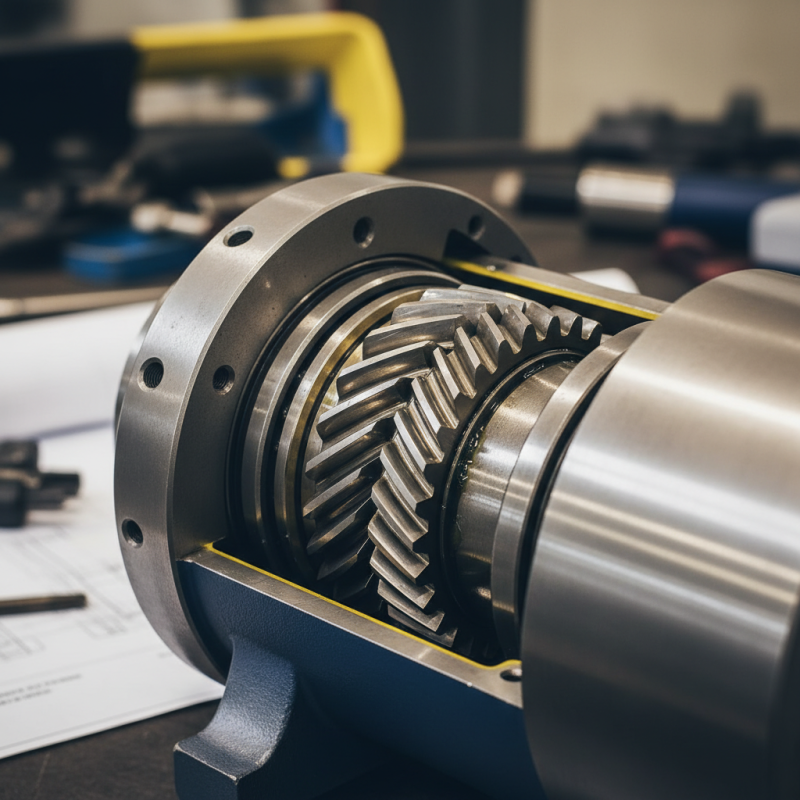
Understanding the Basics of Cylindrical Gearboxes and Their Applications
Cylindrical gearboxes are essential components in many mechanical systems. They convert motor speed into torque effectively. Understanding their basic structure is crucial. These gearboxes feature cylindrical gears, which can be helical or spur. Helical gears offer smoother operation, while spur gears are simpler and more compact. Choosing the right type depends on specific application needs.
Applications for cylindrical gearboxes are vast. They are widely used in conveyors, elevators, and robotic arms. Each scenario requires careful consideration of load capacity and speed requirements. For instance, high-load applications benefit from robust gearboxes with lower speed ratios. Not everyone considers the potential for overheating in gearboxes, which can impact performance. Proper cooling and maintenance are often overlooked.
Selecting the correct cylindrical gearbox involves more than just matching specifications. It requires experience and an understanding of the operational environment. Weight, vibration, and alignment can affect performance. Misalignment issues are common in installations. These factors can lead to premature failures or inefficiencies. It's important to reflect on these challenges during the selection process. This ensures the gearbox functions effectively in its intended application.
Identifying Your Specific Requirements and Operating Conditions
When selecting a cylindrical gearbox, understanding your specific requirements is crucial. Consider the load capacity needed for your application. This involves assessing the weight and force that the gearbox will need to handle. High torque applications require robust gearboxes. If your project involves heavy machinery or constant motion, opt for gearboxes designed to endure those stresses.
Operating conditions also play a significant role. Evaluate the environment where the gearbox will function. Is it exposed to dust, moisture, or extreme temperatures? A gearbox in a harsh environment may need special coatings or seals to ensure longevity. Noise levels are another factor—some gearboxes operate quietly, while others may create noticeable sound. Identifying these factors early will help avoid potential issues.
Lastly, reflect on any special requirements unique to your application. Do you need precise control over speed and motion? Certain gearboxes offer variable speed capabilities. Sometimes, it’s necessary to fine-tune your choice based on feedback from initial use. Don’t hesitate to revisit your selection if things don’t go as planned. Effective testing and evaluation are key to a successful gearbox choice.
How to Choose the Right Cylindrical Gearbox for Your Needs?
| Parameter | Description | Value/Example |
| Torque Rating | Maximum torque the gearbox can handle without failure | 50 Nm - 2000 Nm |
| Gear Ratio | Ratio of input speed to output speed | 4:1 - 100:1 |
| Input Speed | Speed at which input shaft rotates | 1000 RPM - 5000 RPM |
| Mounting Type | How the gearbox is mounted to the driving unit | Foot-mounted, Flange-mounted |
| Application Environment | Operating conditions and hazards | Indoor, Outdoor, High temperature |
| Efficiency | Percentage of input power that is converted to output power | 85% - 98% |
| Material | Material used for gearbox construction | Aluminum, Steel, Cast Iron |
Comparing Different Types of Cylindrical Gearboxes
Choosing the correct type of cylindrical gearbox can greatly impact your mechanical system's performance. There are several types available, each with unique characteristics. For instance, spur gearboxes are efficient and compact, making them ideal for applications where space is limited. They exhibit a high gear ratio but may produce noise under heavy loads. In contrast, helical gearboxes offer smoother operation due to their angle-cut teeth, which reduces vibration. According to the American Gear Manufacturers Association (AGMA), helical gears can achieve efficiency ratings between 95% to 99%.
Another common type is the bevel gearbox, which allows for directional changes in power transmission. This versatility is crucial in applications that require angular adjustments, such as conveyor systems. However, bevel gearboxes are generally more prone to wear, especially if misaligned. A report from the Gear Research Institute highlights that misalignment can reduce gearbox lifespan by up to 20%. Understanding these performance aspects can aid in making more informed decisions tailored to your specific needs.
When selecting a gearbox type, users must also consider factors like load capacity and environmental conditions. For example, an environment filled with dust or humidity can considerably shorten a gear's life. Regular maintenance is essential to counteract these challenges, yet many overlook this aspect. Recognizing the intricacies of each gearbox type ensures a better match for your application.
Evaluating Key Factors: Ratio, Size, and Load Capacity
When selecting a cylindrical gearbox, three key factors must be evaluated: ratio, size, and load capacity. The gear ratio determines the output speed and torque. A higher ratio can provide more torque but may reduce speed. Conversely, a lower ratio increases speed at the expense of torque. It is essential to match the ratio to your specific application requirements. Equipments used in various industries such as robotics or conveyor systems thrive on precise gear ratios.
Size is another critical element. The physical dimensions of a gearbox affect installation and compatibility. If the gearbox is too large, it may not fit your existing machinery. If it’s too small, it might not withstand operational stresses. Calculating the space available is crucial. Your setup needs to be both functional and efficient.
Load capacity assesses whether a gearbox can handle the expected forces. Overloading can lead to failure, which is costly. Assess your demands carefully. It is common to underestimate this factor, resulting in breakdowns. Consider safety margins; they offer an added layer of protection. Balancing these elements requires a deep understanding of your machinery's operational needs. Adjustments may be necessary, as real-world conditions often differ from theoretical calculations.
Consulting Experts and Manufacturers for Tailored Solutions
When selecting a cylindrical gearbox, consulting experts and manufacturers can lead to tailored solutions. Professionals offer insights based on experience and technical knowledge. They understand the complexities of industrial applications and can guide you through the options available.
One tip is to clearly define your requirements. This includes load capacity, torque, and speed ratios. Failing to articulate your needs may result in a mismatch between the gearbox and your machinery. Experts can help you refine these specifications to ensure you choose the right product.
Another suggestion is to seek advice from multiple sources. Different manufacturers have varied approaches and technologies. Engaging with a range of experts can provide a broader perspective. Sometimes, this leads to unexpected yet effective solutions. Remember, no one has all the answers. Be open to feedback and consider the advice carefully. Your final gearbox choice should align with your operational goals and constraints.
Choosing the Right Cylindrical Gearbox: Key Factors

 Close
Close