How to Choose the Right Metallurgical Bridge Crane?
Choosing the right Metallurgical Bridge Crane is crucial for efficient operations in heavy industry. The global crane market is expected to reach $50 billion by 2025, according to industry reports. This emphasizes the significance of selecting the right equipment for tasks like steel production and metal processing. A poorly chosen crane can lead to operational inefficiencies, increased downtime, and even safety hazards.
When selecting a Metallurgical Bridge Crane, several factors should be considered. Load capacity is essential. Each project may require different lifting capacities. The bridge design must also suit the manufacturing space—high and wide configurations maximize efficiency. Additionally, the crane's control system impacts operator performance and safety.
Investing in the right Metallurgical Bridge Crane should not be taken lightly. Many companies overlook maintenance considerations and the total cost of ownership. Neglecting these aspects can result in costly repairs and safety issues. A thoughtful approach is necessary to avoid pitfalls and ensure optimal productivity.
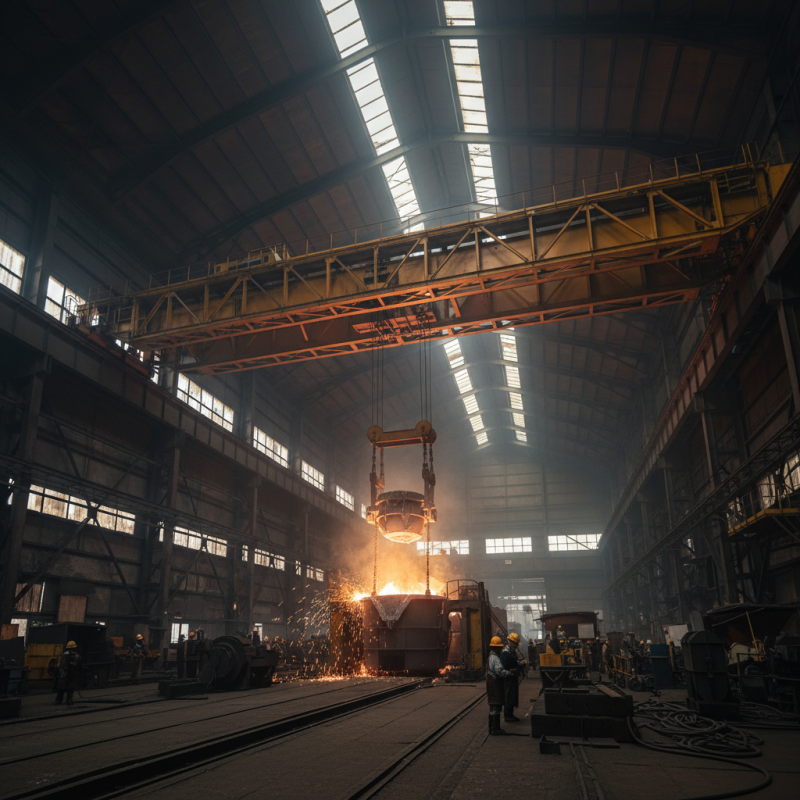
Understanding the Basics of Metallurgical Bridge Cranes
Metallurgical bridge cranes are essential for the steelmaking industry. They handle heavy loads with precision. Understanding their structure and operation can help in making informed choices.
These cranes come in various capacities. For instance, a study from the American Crane Association revealed that capacities often range from 5 to 100 tons. This variation means users must consider their specific needs. Monitoring load weight is crucial for preventing accidents.
Another aspect is the control system. Many cranes now use advanced technology to improve efficiency. However, not all systems are equally user-friendly. Some reports indicate that operators often struggle with interfaces, leading to errors. Ensuring ease of use is vital for safety and productivity. Some companies fail to prioritize proper training, resulting in costly mistakes.
Metallurgical Bridge Crane Load Capacity Comparison
Key Factors to Consider When Selecting a Metallurgical Bridge Crane
Choosing a metallurgical bridge crane requires careful consideration of several key factors. First, assess the load capacity. Understanding the maximum weight your crane must lift ensures safety and efficiency. In metallurgical operations, loads can be heavy and cumbersome, making this a crucial factor.
Next, think about the span and height. The dimensions of the workspace will guide your choice. A crane that’s too small might hinder operations. Conversely, an oversized crane can waste resources. It’s essential to match the crane's size to your facility.
Another important aspect is the operational environment. High temperatures, dust, and corrosive materials are common in metallurgy. Select materials that withstand such conditions. This choice can prevent costly damages and downtime. Consider not just the features but how they perform in real situations. Reflect on previous experiences. Were there issues with the last crane? Learning from past mistakes can guide you to make better decisions in the future.
Types of Metallurgical Bridge Cranes and Their Applications
When selecting a metallurgical bridge crane, it's important to understand the various types available. Each type serves specific needs within the metallurgical industry. The overhead crane is one of the most common types. It offers high lifting capacity and can move heavy loads across large areas. Factories often utilize these for transporting raw materials.
Another type is the gantry crane. This crane stands on legs and moves along the ground. It's particularly useful for outdoor applications. Users often appreciate its lower cost and flexibility. However, its lifting height may be limited compared to overhead cranes.
Then there’s the semi-gantry crane, a mix of both types. It can operate in areas with limited ceiling height. This versatility appeals to many manufacturers. Yet, its design might not accommodate very heavy loads. When choosing, reflect on your specific requirements. Consider the space, load sizes, and moving distances. Each choice has its pros and cons.
How to Choose the Right Metallurgical Bridge Crane? - Types of Metallurgical Bridge Cranes and Their Applications
| Type of Crane | Load Capacity (tons) | Span Length (meters) | Application | Key Features |
| Single Girder Bridge Crane | 1-20 | 6-30 | Manufacturing, Assembly | Lightweight, Cost-effective |
| Double Girder Bridge Crane | 5-50 | 10-40 | Heavy Industry, Steel Mills | High load capacity, Stability |
| Explosion-Proof Bridge Crane | 1-10 | 5-15 | Chemical Plants | Safety features, Specialized design |
| Universal Bridge Crane | 1-15 | 8-25 | Warehouse, Distribution | Versatile, Easy to customize |
| Overhead Gantry Crane | 1-35 | 5-20 | Outdoor Applications | Mobility, Cost-effective for outdoor use |
Assessing Load Capacity and Safety Features of Cranes
Choosing the right metallurgical bridge crane involves assessing its load capacity and safety features. Load capacity determines how much weight the crane can handle. It is essential to consider the maximum load your operations will require. Many facilities use cranes with a capacity exceeding their needs. This can lead to unnecessary costs.
Safety features are equally important. A reliable crane should have safety mechanisms to prevent accidents. Emergency stop buttons and overload protection are crucial. Operators must be aware of these features. If they are not clearly visible, it could lead to confusion. Regular inspections should ensure these features function properly.
Another aspect to consider is the operator training. Even the best crane can be dangerous in untrained hands. Employees should receive training tailored to the specific crane used. Over time, this can save money and prevent accidents. Reflecting on these elements can lead to better choices in crane selection.
Evaluating Durability and Maintenance Requirements in Crane Selection
When evaluating the right metallurgical bridge crane, durability is crucial. Look for materials that can withstand harsh environments. Steel components are often favored for their strength. Corrosion-resistant coatings can extend the life of cranes. However, these coatings may wear off over time, requiring regular inspections.
Maintenance requirements play a significant role in crane selection. A crane with higher durability might seem ideal but can still demand considerable upkeep. For instance, lubrication systems should be easy to access. Frequent servicing is necessary to keep cranes operating smoothly. Ignoring maintenance can lead to costly breakdowns.
In the end, every crane has its challenges. Different operations may demand specific features. Evaluating your unique needs is vital. A crane that fits one facility may not suit another. Always weigh durability against maintenance needs. Each choice carries its own implications.



 Close
Close