How to Choose the Right Photoelectric Sensors for Your Needs?
Choosing the right Photoelectric Sensors can be challenging. These sensors are vital for many applications, including automation and safety. With numerous options available, it is crucial to understand your specific needs.
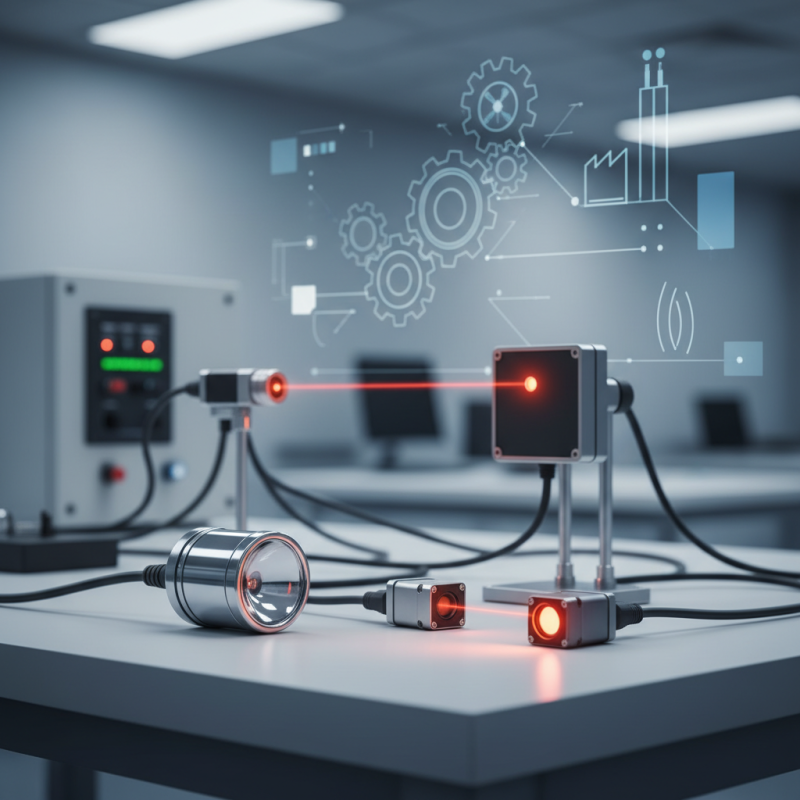
Photoelectric sensors come in various types, including reflective, through-beam, and proximity sensors. Each type serves different functions. Reflective sensors are great for detecting objects nearby. Through-beam sensors excel in long-range detection, while proximity sensors offer touchless functionality.
It's essential to consider the environment where the sensors will be used. Factors like light conditions and distance can impact sensor performance. Not weighing these considerations can lead to inefficiencies. Sometimes, companies make impulsive choices, overlooking critical specifications. This can result in operational failures or higher costs. Take your time to research and choose wisely.
Understanding Photoelectric Sensors: Types and Applications
Photoelectric sensors play a vital role in various industrial applications. They are primarily used for detecting the presence or absence of objects. These sensors utilize light transmission and reflection for detection. There are several types of photoelectric sensors, including through-beam, retro-reflective, and diffuse sensors.
Through-beam sensors require a light source and a receiver placed opposite each other. They are ideal for detecting objects that pass between the two. Retro-reflective sensors use a reflector to bounce the light back to the sensor. They are popular in spaces where installation flexibility is needed. Diffuse sensors have the light source and the receiver in the same unit. They detect objects based on light reflection. According to a recent industry report, the global market for photoelectric sensors is projected to grow by 7.5% annually.
Tip: Consider the distance and environmental factors when choosing a sensor type. For instance, diffuse sensors may struggle in dusty environments. Through-beam sensors, however, may excel in such cases.
Applications of photoelectric sensors are vast. They are used in packaging, automotive, and material handling. They increase efficiency and reduce operational errors. However, understanding the specific needs of an application is crucial. Many users overlook this aspect. Proper selection can prevent costly mistakes and reduce waste in operations.
Tip: Trial and error can help fine-tune sensor choices. Test sensors under real conditions to ensure they meet your requirements.
Key Factors to Consider When Selecting Photoelectric Sensors
Choosing the right photoelectric sensors requires attention to several key factors. Sensor type is crucial. Photoelectric sensors generally fall into three categories: through-beam, retro-reflective, and diffuse. Each type has a different range and method of operation. According to industry reports, through-beam sensors are effective over long distances, while retro-reflective sensors are more versatile in varying environmental conditions.
Another important factor is the sensing range. The range can impact the application significantly. For industrial uses, a longer sensing range is often needed, especially in automated systems. Many sources indicate that a sensor with a range of up to 15 meters is required for optimum performance in many settings. You must also consider environmental conditions. Humidity, temperature, and presence of dust can affect sensor performance.
While selecting, don’t overlook installation ease. Some sensors require complex setups. This aspect can lead to increased downtime during installation. Also, think about compatibility with existing systems. Often, mismatched components can lead to inefficiencies. A report suggests that up to 30% of installations fail due to compatibility issues. It's crucial to do proper research and questioning before making a decision.
Photoelectric Sensors Selection: Key Factors Evaluated
Evaluating the Environment for Sensor Performance
When selecting photoelectric sensors, the environment plays a crucial role in their effectiveness. Factors such as temperature, humidity, and dust can significantly impact performance. According to a 2022 industry report, about 30% of sensor failures can be traced back to unsuitable environmental conditions. High temperatures can lead to malfunction, while excessive moisture can cause short circuits. Dust accumulation can obstruct the sensor’s line of sight, reducing reliability.
It's important to evaluate ambient lighting as well. Some sensors work best in bright conditions, while others may struggle. A study noted that 45% of installations suffer from inadequate lighting assessments, leading to operational failures. Considering the installation site is essential. For instance, sensors in outdoor settings face different challenges compared to those indoors. Wind, rain, and fluctuating temperatures can affect outdoor sensors more drastically.
Furthermore, the mounting angle can also influence sensor performance. A non-ideal angle may create blind spots, causing detection failures. This often goes unaddressed in initial assessments. In some cases, miscalculating distances can lead to unexpected issues. Sensor placement requires thorough planning, as neglecting this could result in suboptimal functionality. Operators must consistently monitor these conditions to ensure the sensors perform as expected.
Compatibility with Existing Systems and Equipment
When selecting photoelectric sensors, compatibility with existing systems is paramount. Research indicates that up to 70% of integration issues stem from mismatched components. Failing to ensure that sensors work seamlessly with current equipment can lead to downtime and unexpected costs. Properly assessing the existing infrastructure is crucial in deciding which sensor technology fits best.
Many older systems use specific signal types and protocols. New sensors may not be compatible with these formats. It is important to verify these details. For instance, switching from analog to digital systems can complicate integration. A survey from an industry report highlighted that around 60% of companies faced challenges when upgrading their technologies. This points to the need for careful consideration during the selection process.
Additionally, testing is important. Even sensors claimed to be compatible might require adjustments. Companies may still face unforeseen obstacles post-installation. Ignoring these potential issues could lead to errors in performance. Ultimately, ensuring your new photoelectric sensors align with existing protocols saves time and resources. Compatibility may seem straightforward, but it requires thorough evaluation.
Budget Considerations for Photoelectric Sensor Procurement
When considering photoelectric sensors, budgeting is crucial. A tight budget might limit options. However, it’s essential to look beyond just the initial costs. Cheaper sensors may have lower durability or reduced features. This can lead to higher long-term costs due to replacements or maintenance.
Investing in quality sensors can save money over time. Think about the environment where the sensors will be used. If they face harsh conditions, a robust model may be necessary. Sometimes, spending a bit more initially can prevent future headaches. Be aware of potential hidden costs, like installation or compatibility issues.
Also, explore available technologies and their price ranges. Basic models might not suit complex tasks. Evaluate the project requirements carefully. Finding the balance between quality and budget is important. Often, a mid-range sensor could provide the best value. It's not just about saving money upfront. Consider the overall cost of ownership.
How to Choose the Right Photoelectric Sensors for Your Needs? - Budget Considerations for Photoelectric Sensor Procurement
| Sensor Type | Detection Range | Output Type | Response Time | Estimated Cost |
| Through-beam | 0.1 to 15 m | NPN/PNP | < 1 ms | $30 - $50 |
| Retro-reflective | 0.05 to 10 m | NPN | < 3 ms | $25 - $45 |
| Diffuse-reflective | 0.01 to 1.5 m | PNP | < 2 ms | $20 - $40 |
| Laser | 0.1 to 20 m | NPN/PNP | < 0.5 ms | $100 - $200 |
| Fiber Optic | Variable, based on fiber | NPN | < 1 ms | $50 - $150 |



 Close
Close