How to Choose the Right Steel Wire Mesh Fencing for Your Needs?
Choosing the right steel wire mesh fencing can be a challenging task. It requires a deep understanding of your specific needs and the unique characteristics of various materials. According to a recent industry report by Freedonia Group, the demand for steel wire fencing is projected to grow by 4.5% annually through 2025. This growth is driven by its versatility in applications across agricultural, residential, and commercial sectors.
When selecting steel wire mesh fencing, consider factors such as durability, corrosion resistance, and maintenance requirements. For instance, galvanized steel offers enhanced protection against rust. However, its higher upfront cost sometimes raises concerns among buyers. Some may overlook the long-term benefits of investing in quality fencing. Evaluating your environment and usage pattern is essential to making an informed decision.
Additionally, it’s vital to assess the mesh size and wire gauge suitable for your needs. Different projects require different specifications. Balancing cost and quality can seem daunting. However, understanding these factors will lead to a more satisfying choice in steel wire mesh fencing. Ultimately, the goal should be to achieve a solution that aligns perfectly with your objectives.
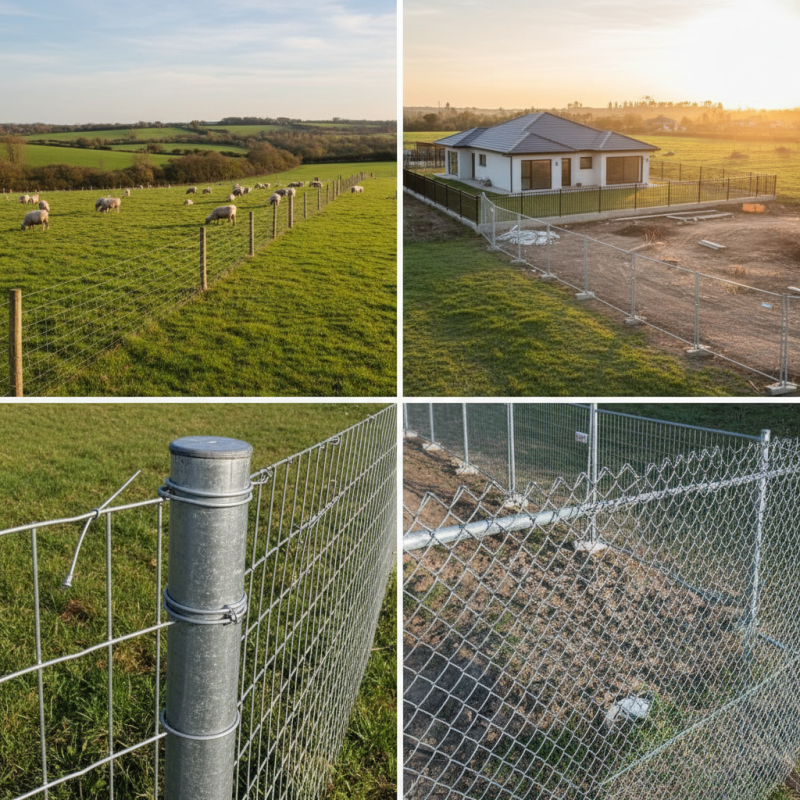
Understanding the Different Types of Steel Wire Mesh Fencing
When choosing steel wire mesh fencing, it’s essential to understand its various types. One common option is welded wire mesh. It features strong, joined wire intersections that provide durability. This type is excellent for security and a long lifespan. However, it can be costly. If your budget is tight, consider chain-link fencing. It is less expensive and easy to install. On the downside, it may not offer the same level of security as welded options.
Another type is expanded metal fencing. This is made from sheets of metal that are cut and stretched. It’s often used for aesthetic purposes, providing a unique look. However, installation can be tricky. Some may find it hard to cut to size. You might also explore barbed wire mesh. It adds an extra layer of protection but could be harsh on hands.
Many people overlook the importance of selecting the right mesh size. Larger openings offer visibility but less security. Smaller openings can restrict animal access but might not suit all terrains. Reflect on your specific needs before making a choice.
Evaluating Your Specific Fencing Requirements and Preferences
Choosing the right steel wire mesh fencing starts with understanding your specific needs. Think about what you want to protect. Is it a garden, a pet, or perhaps livestock? The purpose of the fencing will guide your choices. Consider the height of the fence. A higher fence may seem intimidating, but it can also block sunlight for plants. Balance aesthetics and functionality carefully.
Next, evaluate the area where you will install the fence. Is the ground uneven? Will it face harsh weather conditions? These factors impact the durability needed. Some might overlook the importance of maintenance. A fence that blends well with your landscape might require more frequent care. Reflect on your lifestyle and how much time you can dedicate. Also, consider your neighbors' opinions. They may have insights or concerns.
Finally, think about the installation process. You might want to go DIY or hire a professional. Each option has its perks and challenges. If you choose to install it yourself, be ready for unexpected issues. Misalignment of panels could occur, or maybe even running out of supplies. Staying flexible and patient is key in this process.
Assessing the Durability and Strength of Steel Wire Mesh Options
Choosing the right steel wire mesh fencing hinges on understanding durability and strength. The type of wire and weave matters greatly. Woven wire fencing typically offers flexibility, while welded options provide superior strength. Look closely at wire gauge; a lower gauge indicates thicker wire, enhancing robustness. Examine tension and load-bearing capacity for additional insights into longevity.
Tips: Consider local weather conditions. Exposure to wind, rain, or snow can influence material choices. If you live in an area with strong winds, opt for a sturdier option that can withstand this pressure without bending.
When assessing strength, pay attention to the diameter of the openings. Smaller openings may offer better security against intrusions. However, they can restrict visibility and airflow. Balance is key. Reflect on your specific needs. Are aesthetics or functionality more important? Custom solutions might require compromises, so weigh your options carefully.
Comparing Costs and Budget for Steel Wire Mesh Fencing Solutions
When considering steel wire mesh fencing, budget plays a crucial role. The cost can vary based on mesh thickness, height, and coating. Standard options may seem affordable, but investing in thicker wire can offer better durability. Each choice has its price tag, and it often pays to go a bit higher if it means longevity.
Consider installation costs as well. Some fencing options are easier to install, which can save you money on labor. However, DIY installation may lead to mistakes. A poorly installed fence can end up costing more in repairs later. Think about maintenance over time, too. Cheaper fences might need more frequent replacements.
Evaluate your long-term needs. A fence that's cheap today might not serve you well down the road. Reflect on how much you're willing to spend now versus later. It’s not just about the initial purchase. Pay attention to hidden costs, such as warranty or repairs. Balancing the upfront price with future expenses is essential for a wise investment.
Cost Comparison of Steel Wire Mesh Fencing Options
Installation Considerations for Steel Wire Mesh Fencing Choices
When installing steel wire mesh fencing, you must consider several factors. The terrain of your property plays a crucial role. For flat areas, the installation may be more straightforward. However, hilly or uneven landscapes can complicate the task. You might need to adjust the fence height at various points. This adds to the time and effort of the installation.
Next, evaluate the purpose of your fencing. Are you looking for security or aesthetics? The gap size in the mesh can impact both. Larger gaps allow for visibility but may not deter animals. Smaller gaps provide security but can look less appealing. You may find yourself conflicted between function and form. Many tend to overlook the surrounding environment. Consider how the fence will blend with nearby structures and landscaping. This aspect requires careful thought and planning.
In addition, weather conditions can affect installation. If it's rainy or too windy, it's best to wait. You would not want to misuse the materials or end up with a crooked fence. Sometimes the planning process can feel overwhelming. Take your time and think about each decision. Reflection on these elements can make a significant difference in the final outcome.



 Close
Close