Why Choose Teflon Bushings for Your Manufacturing Needs?
In today's competitive manufacturing landscape, choosing the right components is crucial. Teflon Bushings stand out for their unique properties, making them ideal for various applications. According to a report by the Institute for Advanced Manufacturing, Teflon bushings exhibit excellent wear resistance, which leads to a significant reduction in maintenance costs. These bushings also provide exceptional chemical resistance, outperforming traditional materials in harsh environments.
Furthermore, the global market for synthetic bushings is projected to grow by over 5% annually, with Teflon products leading this trend. This growth reflects their reliability and efficiency in manufacturing settings. However, while the benefits are clear, potential users must consider the initial investment costs. Some manufacturers hesitate, balancing upfront expenses against long-term savings. This reflection is essential for informed decision-making.
Ultimately, Teflon bushings offer a blend of durability and versatility. Their proven track record in various industries highlights the importance of prioritizing quality in component selection. A thoughtful approach can lead to enhanced performance and greater profitability over time.
Benefits of Teflon Bushings in Industrial Applications
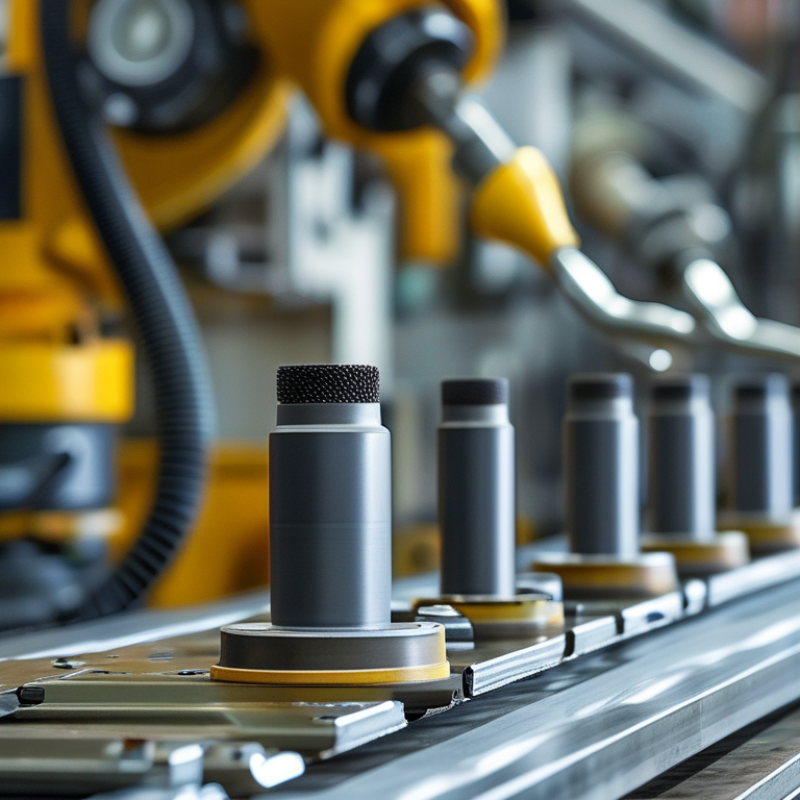
Teflon bushings are increasingly popular in industrial applications due to their unique properties. They provide excellent chemical resistance, making them ideal for environments where exposure to harsh substances is common. This durability translates to longer service life, leading to reduced maintenance costs and downtime for manufacturers.
These bushings also offer low friction, which enhances the efficiency of machinery. The smooth operation minimizes wear and tear, prolonging equipment lifespan. In situations where noise reduction is critical, Teflon bushings can significantly lower operational sounds.
However, their lack of rigidity might pose challenges in extremely high-load situations, leading to potential compromises in performance. Teflon bushings are lightweight, facilitating easy installation and replacement.
Despite their advantages, reliance solely on Teflon in high-stress applications might not be wise. Evaluating specific operational needs is essential to ensure optimal performance. Overall, they present numerous benefits for many industries, although careful consideration of their limitations is necessary.
Key Properties of Teflon Bushings That Enhance Performance
Teflon bushings offer several key properties that significantly enhance manufacturing performance. These bushings are chemically resistant, making them ideal for use in harsh environments. According to industry research, Teflon can withstand a temperature range of -450°F to +500°F. This thermal stability allows for consistent operation in various industries, including aerospace and automotive.
Another notable property is their low friction coefficient, which is around 0.1 to 0.2. This reduction in friction can lead to lower energy consumption and extended machinery life. Many manufacturers report decreased wear rates and improved operational efficiency when utilizing Teflon bushings. However, it's crucial to consider the type of load they will bear. Overloading can cause premature failure and should be avoided.
Tip: When selecting Teflon bushings, analyze your operational conditions. Assess temperature fluctuations, load types, and environmental factors. Proper evaluation ensures optimal performance and longevity. It's essential to revisit your choice periodically based on operational changes to maintain efficiency.
Why Choose Teflon Bushings for Your Manufacturing Needs? - Key Properties of Teflon Bushings That Enhance Performance
| Property | Description | Benefit |
| Low Friction | Teflon bushings have a very low coefficient of friction. | Reduces wear and tear of connected components. |
| High Chemical Resistance | Teflon is resistant to most chemicals and solvents. | Increases lifespan in harsh environments. |
| Wide Temperature Range | Can operate effectively in temperatures from -200°C to +260°C. | Versatile for various applications in extreme conditions. |
| Electrical Insulation | Excellent dielectric properties. | Prevents electrical failures in equipment. |
| Low Noise Operation | Teflon bushings dampen vibrations. | Enhances comfort and reduces noise in machinery. |
Comparison of Teflon Bushings vs. Traditional Materials
Teflon bushings offer unique advantages over traditional materials like metal and rubber. They show exceptional resistance to chemicals and high temperatures. According to industry reports, Teflon can withstand temperatures up to 260°C. In contrast, many metals fail at much lower temperatures. This durability allows manufacturers to extend the lifespan of their machines and reduce downtime.
When comparing wear resistance, Teflon bushings outperform rubber. Teflon's low friction properties mean less wear on components. Studies indicate that Teflon can reduce wear rates by up to 80% compared to traditional materials. This performance is crucial in industries where precision is key, such as aerospace and automotive manufacturing.
However, Teflon bushings are not perfect. They can be more costly upfront compared to traditional materials. Their installation may also require specialized tools or expertise. While the benefits are substantial, businesses must weigh these factors carefully when making purchasing decisions. Finding a balance between cost and performance is essential for optimal results.
Common Applications of Teflon Bushings in Manufacturing
Teflon bushings are widely used in various sectors of manufacturing due to their unique properties. They are highly resistant to wear and friction, making them ideal for high-speed applications. According to a report by the Global Bearings Market, Teflon bushings can reduce friction by up to 50% compared to traditional materials. This significant reduction in friction leads to enhanced efficiency and longevity of machinery.
In manufacturing settings, Teflon bushings find common applications in conveyor systems, roller bearings, and FDA-compliant food processing equipment. Their chemical resistance makes them suitable for harsh environments. Industries such as pharmaceuticals and chemical processing particularly benefit from using Teflon bushings. These sectors rely on materials that can withstand aggressive substances without degrading, ensuring reliable operation.
Tip: Always consider the environment where Teflon bushings will be used. High temperatures and certain chemicals can impact their performance. Regularly inspect the bushings for signs of wear, especially in high-load applications. Teflon bushings, while durable, may require replacement over time. This proactive maintenance approach can save costs and avoid unexpected machine downtimes.
Maintenance and Longevity of Teflon Bushings in Equipment
Teflon bushings are known for their impressive durability and low-friction properties. These characteristics significantly enhance equipment performance. The maintenance aspect is particularly crucial. Regular inspection can help spot wear before it becomes a problem.
Longevity is a standout feature of Teflon bushings. They resist corrosion and abrasion, even in harsh environments. This resistance helps machines operate smoothly over time. However, they are not immune to damage. Proper lubrication is essential to maximize their lifespan. Neglecting this can lead to increased wear.
Another point to consider is compatibility. Not all applications suit Teflon bushings. Therefore, understanding specific machine requirements is vital. While they offer excellent performance, they may not be the ideal choice for every scenario. Choosing the right materials ensures efficiency and machine longevity.
Benefits of Teflon Bushings in Manufacturing



 Close
Close