How to Choose the Best PVC Double Belt Conveyor for Your Needs?
Choosing the right PVC Double Belt Conveyor can greatly impact your business. With numerous options available, it can feel overwhelming. Understanding your specific needs is key to making an informed decision.
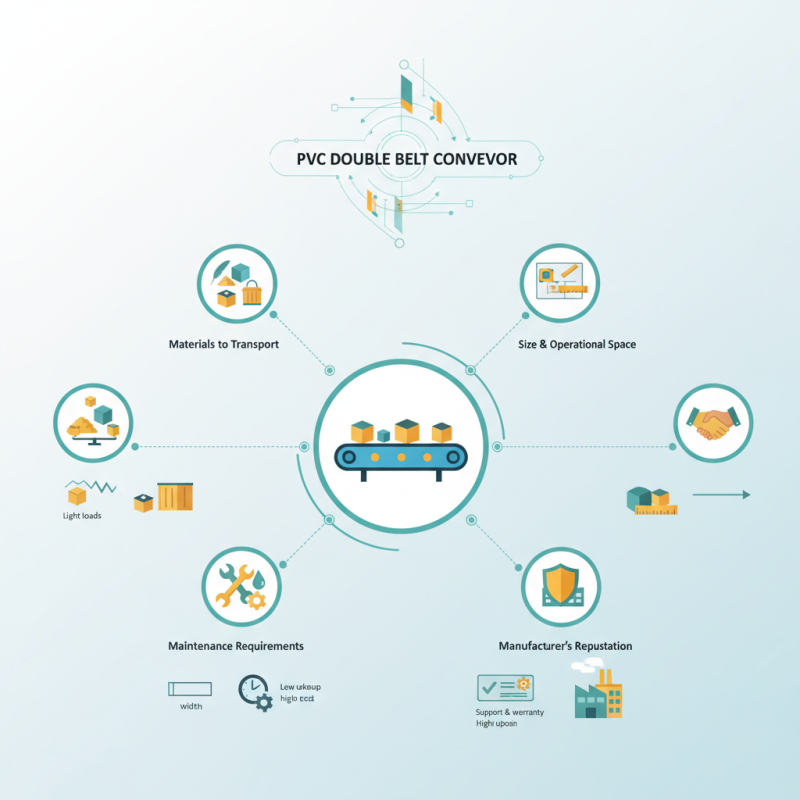
Consider the materials you will transport. Different belts cater to distinct applications. For example, some might work better for light loads, while others handle heavy items effectively. The width and length of the conveyor should match your operational space. It's crucial to measure your area accurately to avoid future issues.
Beyond basic specifications, think about maintenance requirements. Some conveyors demand more upkeep than others. This aspect can affect your long-term operational costs. Additionally, consider the manufacturer’s reputation. A reliable company will provide support and warranty options. Evaluating these factors can ensure you select the best PVC Double Belt Conveyor for your unique needs.
Identifying Your Conveyor System Requirements
When selecting the ideal PVC double belt conveyor, understanding your specific needs is crucial. Begin by assessing your materials. Consider weight, size, and shape. These factors influence the conveyor's design and capacity. For instance, delicate items require a gentler handling approach. Heavy or bulky products necessitate robust support.
Next, focus on your operational environment. Temperature, humidity, and exposure to chemicals can affect conveyor performance. A robust system can endure harsh conditions. Moreover, remember to evaluate the available space. Compact areas may need slim designs, while larger setups could benefit from expansive layouts.
Finally, think about maintenance. An easy-to-service conveyor reduces downtime. Regular checks help identify wear and tear before they escalate into costly repairs. Reflect on your long-term goals too. Will your production scale soon? Choose a flexible solution that can grow with your business.
How to Choose the Best PVC Double Belt Conveyor for Your Needs?
| Feature | Option 1 | Option 2 | Option 3 |
| Belt Width | 300 mm | 400 mm | 600 mm |
| Speed | 0.5 m/s | 1.0 m/s | 1.5 m/s |
| Load Capacity | 100 kg | 200 kg | 300 kg |
| Drive Type | Electric Motor | Gear Motor | Pneumatic |
| Material | PVC | Polyurethane | Rubber |
| Length | 3 m | 5 m | 7 m |
Understanding the Types of PVC Double Belt Conveyors
When considering PVC double belt conveyors, it's essential to understand the different types available. These conveyors come in various designs tailored for specific industries. Flat belt conveyors are versatile and suitable for a range of applications. They provide a simple solution for transporting light to medium-weight materials. Modular belt conveyors, on the other hand, offer flexibility and can handle heavier loads, making them ideal for manufacturing environments.
Another type worth noting is the sandwich belt conveyor. This design features two belts that work together to securely hold materials. It is particularly effective for transporting fragile items. The choice between these types depends largely on the materials to be transported and the operational requirements. Assessing the specific needs of your application is crucial, yet many overlook this step.
Making a choice may seem straightforward, but it often requires deeper consideration. Factors such as belt speed, load capacity, and environmental conditions play a significant role. Sometimes, businesses invest in a type without fully understanding its implications, leading to suboptimal performance. Each type has its strengths and weaknesses, and it's important to evaluate them thoroughly to avoid costly mistakes.
Evaluating Key Features and Specifications
When evaluating PVC double belt conveyors, consider key specifications like belt width and material durability. A recent industry report highlights that belt width directly affects material handling efficiency. Wider belts tend to support larger loads but may increase energy consumption. Assess your specific requirements to find a balance.
Another crucial feature is the conveyor's speed. According to experts, optimal speed can improve productivity. However, excessive speed increases wear and tear, necessitating frequent maintenance. Careful calibration is essential for longevity and efficiency.
Tips: Regularly check the conveyor for signs of wear. A worn belt can lead to material loss or damage. Always evaluate energy consumption against operational output for cost-effectiveness. Understanding these factors can guide you toward selecting the best conveyor for your needs while maintaining operational efficiency.
Comparing Manufacturer Options and Reliability
When selecting a PVC double belt conveyor, comparing manufacturer options is vital. Reliability can vary significantly across brands. A report from the Conveyor Equipment Manufacturers Association indicates that over 20% of conveyor failures are linked to poor manufacturing quality. This statistic underlines the importance of thorough evaluation.
Consider the materials used by manufacturers. High-quality PVC should have good wear resistance and flexibility. Testing for tensile strength and elongation can provide insight into the durability of the conveyor. Additionally, the capacity specifications must match your operational needs. Some lines may claim high throughput but often fail under continuous use.
Moreover, explore customer feedback and industry reviews. Positive feedback represents a manufacturer's commitment to quality. However, be cautious—some companies may inflate their performance metrics. A balance of data and personal experiences should guide your choice. Always verify claims through third-party assessments or user testimonials. This ensures you choose a reliable partner for your conveyor system needs.
Assessing Cost-Effectiveness for Your Conveyor Choice
When selecting a PVC double belt conveyor, cost-effectiveness is crucial. The initial investment must align with long-term operational savings. According to industry reports, conveyors can account for up to 30% of material handling costs. An efficient choice can significantly reduce these expenses over time.
Durability and maintenance are key factors influencing cost-effectiveness. A well-constructed conveyor can function optimally for over a decade. However, frequent breakdowns due to poor design can lead to increased repair costs. A study highlighted that maintenance costs can spiral up to 10% of a conveyor's initial price annually.
Analyzing energy consumption is also vital. Efficient models can cut energy usage by 15-30%. This statistic is striking when considering the rising electricity prices. It’s essential to evaluate the total cost of ownership rather than just focusing on upfront fees.
Balancing initial costs with long-term savings will ensure the best choice for your needs. Reflecting on these aspects can lead to better investment decisions.

 Close
Close