How to Choose the Best TDS Measuring Device for Your Needs?
When selecting the best Tds Measuring Device, understanding your specific needs is crucial. Total Dissolved Solids (TDS) levels affect water quality significantly. According to the World Health Organization, safe drinking water must have TDS levels below 500 mg/L. This makes TDS measuring devices essential for various applications, from home use to industrial testing.
Dr. Emily Carter, a leading expert in water quality measurement, emphasizes the importance of choosing the right device. She states, "A reliable TDS measuring device is not just a tool; it is an investment in health." Many devices on the market vary in accuracy and features, making the selection process overwhelming.
Consider factors like precision, range, and ease of use. Some devices offer built-in temperature compensation, enhancing accuracy. However, not all options meet high standards. Research suggests that consumer reviews often help in assessing reliability. With options ranging from basic handheld models to advanced digital devices, it's important to align the choice with your needs, while also being aware of potential shortcomings.
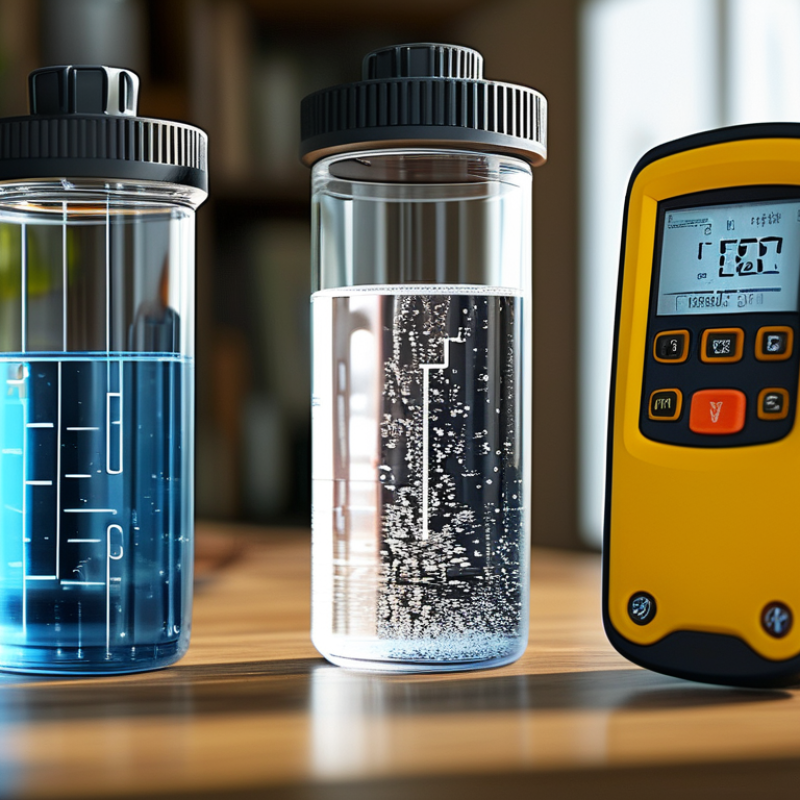
Understanding Total Dissolved Solids (TDS) and Its Importance
Total Dissolved Solids (TDS) refer to the combined content of all inorganic and organic substances in water. This includes minerals, salts, and metals. Understanding TDS is crucial for various applications, from ensuring safe drinking water to optimizing aquarium health. High TDS levels can indicate poor water quality, while low levels can signal lack of essential minerals.
Measuring TDS is essential for maintaining water purity. Devices that measure TDS offer valuable insights for home and industrial use. Many models are available, each with unique features. Consider the accuracy, ease of use, and range of measurements. A portable device can be handy for on-the-go testing, while stationary units may offer more detailed readings.
When choosing a TDS measuring device, think about your specific needs. Are you testing drinking water or pond conditions? Also, evaluate the calibration process. Some devices require regular recalibration for accuracy. Look for user-friendly options if you're unfamiliar with technical details. Finally, read reviews from credible sources to guide your decision-making.
Types of TDS Measurement Devices: A Comprehensive Overview
When selecting a TDS measuring device, understanding the types available is crucial. There are several common types, each with unique features. The most basic are handheld meters, ideal for personal use. They are portable and user-friendly. These devices often display readings on easy-to-read screens. However, their accuracy can vary based on the model.
In contrast, more advanced options include bench top TDS meters. These are designed for laboratory settings. They provide precise readings and often come with calibration options. However, they might not be suitable for casual users. Understanding your specific needs can help you make the right choice.
Another category includes in-line TDS meters. These are installed in water systems and provide continuous monitoring. They can alert you to changes in TDS levels instantly. While this feature is beneficial, installation can be complex. It may require professional help. Each type has benefits and drawbacks, depending on the context in which it is used. Consider how often you will need to measure TDS levels. This reflection is essential for finding the perfect tool.
How to Choose the Best TDS Measuring Device for Your Needs?
| Device Type | Measurement Range (ppm) | Accuracy | Features | Price Range (USD) |
| Pen-type TDS Meter | 0 - 9990 ppm | ±2% | Auto calibration, Lightweight, Portable | 10 - 50 |
| Handheld TDS Meter | 0 - 5000 ppm | ±1% | Large display, Multi-functional, Backlit | 30 - 100 |
| Benchtop TDS Meter | 0 - 20000 ppm | ±0.5% | High precision, Data logging, USB connectivity | 100 - 500 |
| Pocket TDS Tester | 0 - 1999 ppm | ±5% | Compact, Quick reading, Battery operated | 5 - 25 |
Key Features to Consider When Selecting a TDS Meter
When selecting a TDS measuring device, key features play a crucial role. Accuracy is paramount. Studies show that a meter’s accuracy can vary by up to 5%. Look for devices with a high degree of precision. This ensures that your measurements are reliable, especially when monitoring water quality. A meter that provides results within ±2% is generally recommended for serious applications.
Next, consider the measurement range. Many devices can measure TDS levels from 0 to 9999 ppm. However, for specific uses such as aquaculture or hydroponics, a broader range may be essential. Moreover, portability becomes a significant factor. Many users prefer handheld models for fieldwork. A lightweight, compact device can dramatically improve convenience and ease of use.
Calibration features also warrant attention. Regular calibration ensures that readings remain accurate over time. The frequency of calibration can affect long-term costs and usability. Finally, display quality matters. A backlit and easy-to-read display can enhance the user experience. Be critical of each feature. The right choice can make a difference in your water quality management.
Accuracy and Calibration: Ensuring Reliable TDS Measurements
Choosing the right TDS measuring device hinges significantly on accuracy and calibration. Accurate measurements are crucial, especially for industries like water treatment and agriculture. According to a 2022 report by the Water Quality Association, TDS levels can affect plant growth and aquatic life. Regular calibration is essential to maintain reliable readings and ensure compliance with quality standards.
When selecting a TDS meter, consider its calibration frequency. A good device should allow for simple adjustments to ensure precision. Many experts suggest calibrating at least once a month, especially if it's used in variable conditions. Additionally, choose a device that offers a clear display and temperature compensation features. This improves accuracy in fluctuating environments.
During your selection process, remember that low accuracy gadgets can lead to misleading results. Misjudged TDS levels can harm crops or lead to poor water quality. Avoid relying solely on the device's specifications; seek out user reviews and independent testing data. This approach builds confidence in your choice, ensuring you get a reliable TDS measuring device tailored to your specific needs.
Comparative Pricing and Brand Reliability in TDS Devices
When selecting a TDS measuring device, pricing plays a crucial role. Many options are available, ranging from budget-friendly models to high-end precision devices. Price often correlates with quality, but that isn't always the case. Some affordable brands offer reliable measurements, while pricier models may lack consistent performance.
Brand reliability is equally important. Look for companies with a history of good customer service and trustworthy products. Read reviews to gauge users' experiences. A device from a reputable brand might provide peace of mind, but not all popular names guarantee accuracy.
Reflecting on your specific needs is vital. Are you measuring TDS for drinking water, or for a hydroponic system? Depending on your purpose, you might prioritize different features. Sometimes, a more complex device can be overwhelming. Consider what functionalities you truly need instead of opting for every available feature.


 Close
Close