How to Choose the Best UV Drying Solutions?
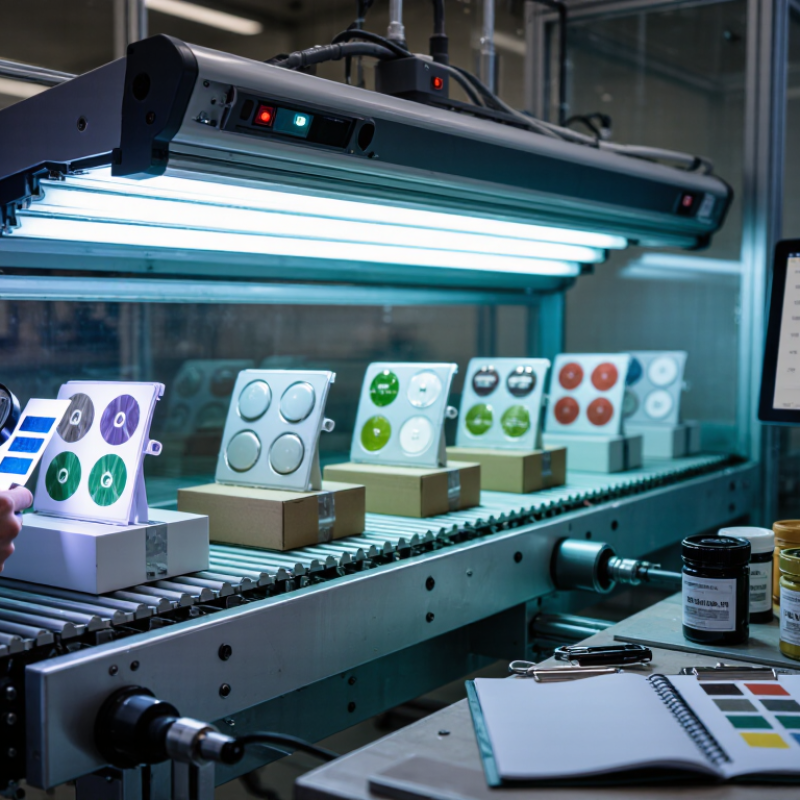
Test Curing Performance Before Final Selection
A lamp’s rated output cannot tell you whether a coating will cure on your production line. Test with the actual substrate, coating thickness, and conveyor speed. A thin film on clear glass behaves differently from a heavier layer on a heat-sensitive plastic. Small differences matter.
Measure UV dose with a radiometer suited to the lamp’s wavelength, and record the lamp-to-surface distance. Then check the cured sample for tack, rub resistance, adhesion, and cure through the full film depth. Run several passes at normal line speed, not just one slow test. Not always. A surface can feel dry while material underneath remains undercured.
Keep notes on temperature, lamp age, and sample position; edges may receive less exposure than the center. I would not treat one successful pass as proof, even when the finish looks clean. That shortcut is tempting under schedule pressure. Test under realistic operating conditions, and include the least favorable setup you expect to use. A test coupon is useful, but it cannot reproduce every variation in a full production run. If results shift between samples, investigate the process before selecting equipment.



 Close