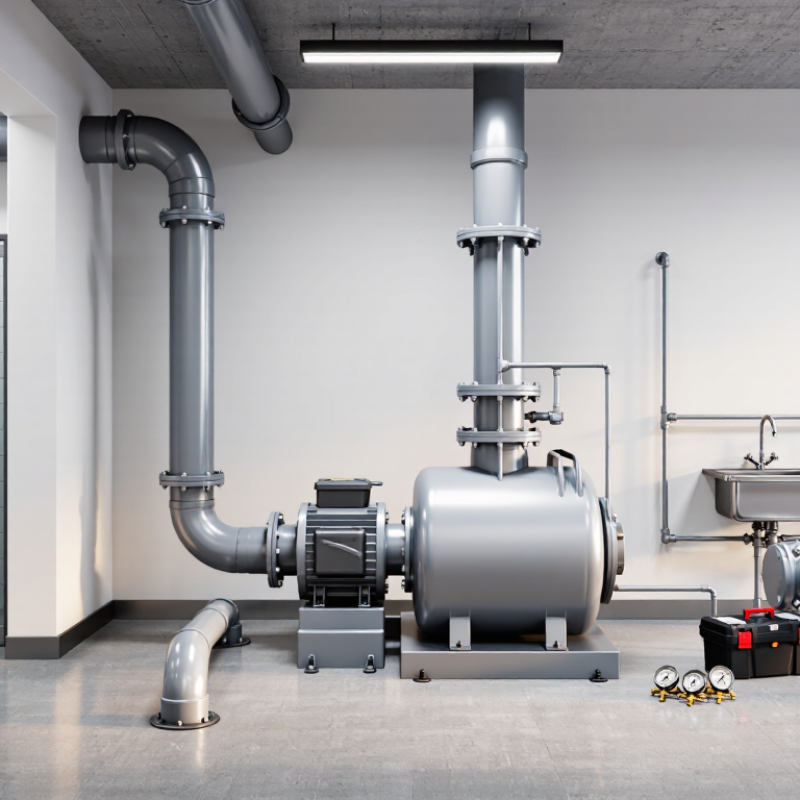
Choosing the right drain pump begins with accurate sizing, not a higher efficiency label.
Measure required flow, discharge head, pipe length, liquid temperature, and solids content. A pump handling muddy water needs different protection than one draining clear condensate. In field checks, operators often select oversized motors for safety. That mistake can increase cycling, noise, and energy waste.
Motor efficiency deserves careful comparison. IEC 60034-30-1 defines efficiency classes for motors, including IE3 and IE4. An IE4 motor usually loses less energy than an IE3 motor at comparable rated conditions. However, the label describes the motor, not the complete pump system. Impeller design, hydraulic losses, controls, and operating hours also affect consumption. Check the motor’s efficiency curve at your real load, not only at full rating. Small details matter.
IE4 may justify its higher purchase cost when the drain pump runs many hours daily. For intermittent drainage, the savings may take longer to recover. Compare annual operating hours, electricity rates, maintenance access, and expected service life. Confirm compatibility with the starter or variable-frequency drive. Record actual current and power after installation. A lower reading can reveal better sizing, but it may also indicate restricted flow or an inaccurate measurement. Recheck the system before celebrating. Reliable selection combines calculation, site experience, and honest review of imperfect operating data.



 Close
Close