| Vibratory bowl feeder | Small, durable parts with a consistent shape and a stable, high-volume production requirement. | High for a well-tuned, dedicated part; performance can decline with part variation, surface changes, or wear. | Requires periodic track, spring, and drive checks. Part-specific tooling may need adjustment or replacement when the part changes. | Enclose moving tracks where needed; assess noise and pinch points, and provide guarding and safe access for clearing jams. | Often low to medium for long runs of one part. Changeover tooling and engineering can increase costs across multiple part types. | Efficient for a stable part family, but less adaptable to frequent product changes. |
| Centrifugal feeder | Small components that need continuous, high-speed feeding, especially when gentle handling is important. | High when part geometry and feed settings are consistent; orientation capability depends on the part and separator design. | Typically needs regular cleaning and inspection of the rotating disc, guides, and separation area. Settings may require tuning for new parts. | Guard rotating components and interlock access panels where appropriate. Follow lockout procedures before maintenance. | Medium. Throughput can be advantageous, but setup, change parts, and integration contribute to lifecycle cost. | Can offer fast, gentle handling, but is not equally suitable for every shape or orientation requirement. |
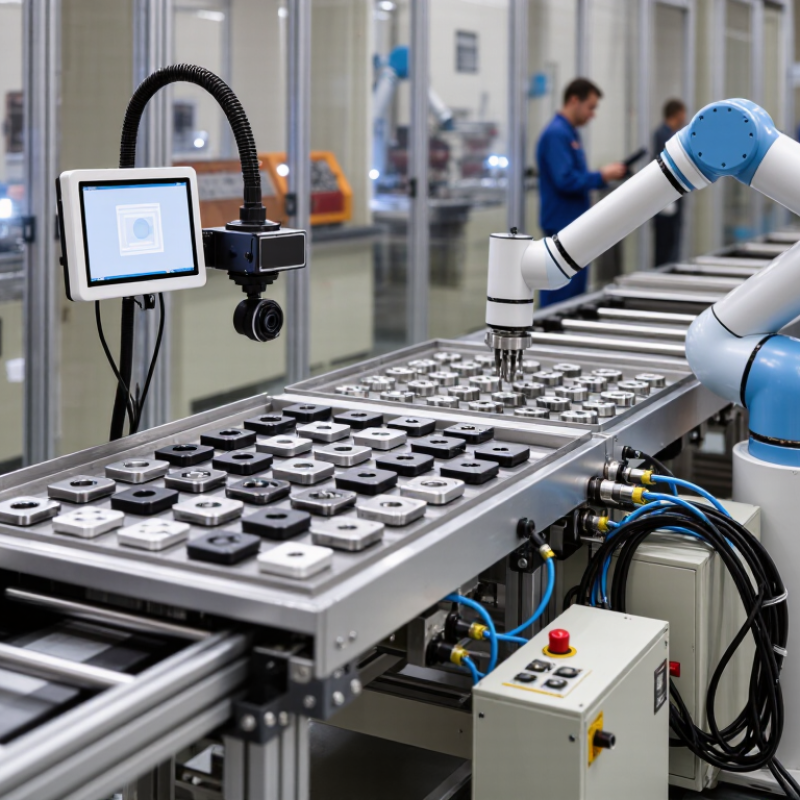
| Flexible feeder with vision guidance | Mixed or frequently changing small parts where programmable presentation and robotic picking are useful. | High when parts are distinguishable in the camera view and lighting, calibration, and pick settings are maintained. | Needs camera and lighting checks, calibration, software support, and cleaning of the presentation surface. Recipes require validation after changes. | Assess robot reach, guarded or monitored access, emergency stops, and safe recovery procedures for the complete integrated cell. | Often high initial investment, with potential savings when it reduces dedicated tooling and supports many part types. | Offers flexibility, but performance depends on vision conditions, robot integration, and suitable part presentation. |
| Step feeder | Parts that are larger, heavier, or more prone to damage in conventional vibratory feeding. | Good for controlled singulation; final orientation accuracy depends on downstream guides and part geometry. | Inspect lifting elements, guides, and wear surfaces. Mechanical access and replacement-part needs depend on the design. | Guard reciprocating and lifting mechanisms, control pinch points, and isolate power before clearing or servicing the unit. | Medium. Durable operation may suit demanding parts, though the system can take more space and require dedicated setup. | Handles challenging parts well, but may not match the speed or compactness needed for every application. |



 Close