| Nominal pipe size | Common pipeline sizes include NPS 4, 6, 8, 12, 16, 20, and 24. | Set the nominal size and confirm the required outside diameter and dimensional standard. |
| Outside diameter examples | NPS 4: 114.3 mm; NPS 6: 168.3 mm; NPS 8: 219.1 mm; NPS 12: 323.9 mm; NPS 16: 406.4 mm; NPS 24: 609.6 mm. | These are common ASME NPS outside diameters. Check the applicable pipe standard and project drawings before ordering. |
| Wall thickness | Specify the required wall thickness in millimetres or by the applicable schedule. The required value depends on design pressure, diameter, material, and service conditions. | Calculate wall thickness under the governing design code; account for corrosion allowance, manufacturing tolerance, and any mechanical loads where applicable. |
| Pipe length and ends | Define required individual pipe lengths, length tolerances, and end preparation, such as plain ends or beveled ends for welding. | Coordinate end preparation with the joining method and specify whether coating cutbacks are needed at pipe ends. |
| Steel grade | Common API 5L line-pipe grades include Grade B and X42, X52, and X60. | Select grade based on design calculations and the governing specification. Confirm the required product specification level, testing, and delivery condition. |
| Design pressure and loads | State design pressure, operating pressure, hydrostatic test requirements, and relevant external or installation loads. | Pressure capacity is not determined by steel grade alone; verify it using the design code, pipe dimensions, material properties, and applicable design factors. |
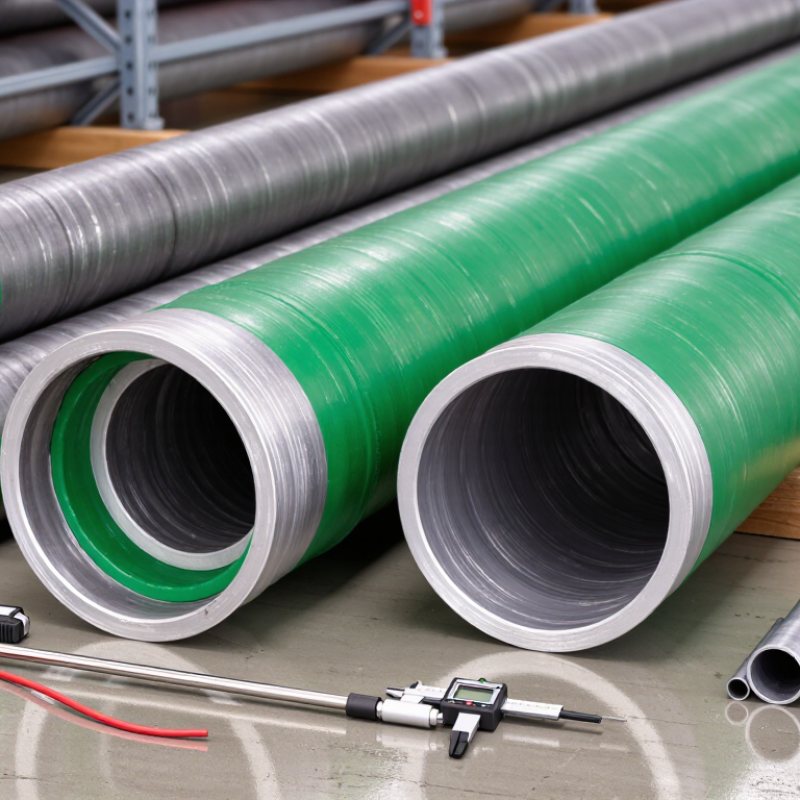
| FBE coating system | Specify a single-layer fusion bonded epoxy external coating and identify the governing project standard, such as ISO 21809-2 or CSA Z245.20, where applicable. | Define the coating thickness and acceptance criteria in the purchase specification; requirements vary by standard, coating class, and service. |
| Service temperature | Provide minimum and maximum operating temperatures, including any short-term temperature excursions. | Confirm that the selected coating formulation is qualified for the project temperature range and exposure conditions; do not assume one universal FBE temperature limit. |
| Corrosion and exposure conditions | Describe the environment, such as buried soil, freshwater, marine exposure, or plant service, and identify relevant chemicals or abrasion risks. | Check coating suitability, surface preparation, handling requirements, and any project-specific testing for the expected environment. |
| Inspection and testing | Define inspection for coating continuity, thickness, adhesion, and appearance, together with the required frequency and acceptance limits. | Use the specified standard and approved inspection procedures. State whether holiday detection and other tests are required and how results must be documented. |
| Handling, storage, and field joints | Set requirements for lifting, stacking, transport protection, coating repair materials, and field-joint coating. | Make sure repair and field-joint systems are compatible with the pipe coating and the planned installation procedure. |



 Close