How to Choose the Right Home Elevator for Your Needs?
Choosing the right Home Elevator can seem daunting. With numerous models available, it is essential to make an informed decision. A home elevator not only enhances accessibility but can also add value to your property.
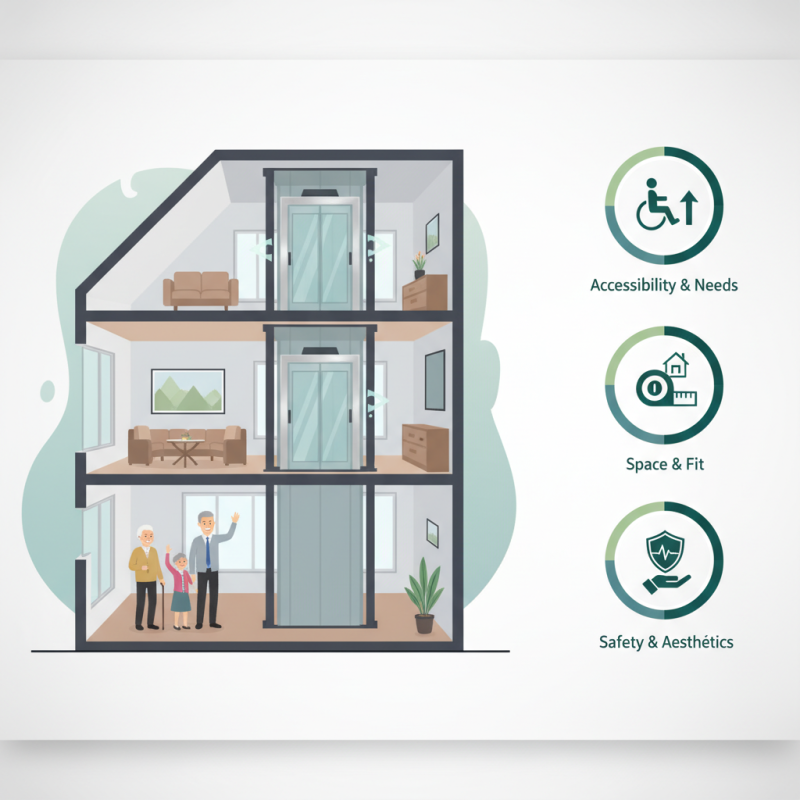
Consider your specific needs. Will the elevator accommodate family members with mobility issues? Or is it more about convenience? Think about the space available too. Some home elevators require a larger footprint. Others are designed to fit into tighter spaces, making them ideal for smaller homes.
Reflect on safety features as well. A well-designed home elevator should include reliable brakes and emergency protocols. The aesthetic appeal matters too. You want it to blend in with your home's décor. However, finding the perfect match can be a process of trial and error. Take your time to explore options. It’s worth it to ensure the best fit for your lifestyle.
Factors to Consider When Selecting a Home Elevator
When it comes to choosing the right home elevator, several factors must be considered. One crucial aspect is space. Measure the dimensions of your home. Ensure there is enough room for installation. Elevators vary in size, so pick one that fits well without overcrowding your home.
Safety features are another important consideration. Look for options that include door sensors and emergency stop buttons. These additions enhance the safety of family members. Consider the needs of everyone in the household. A multi-floor home may need more advanced features for accessibility.
Tips: Think about the elevator's load capacity. Will it comfortably fit your family and any future needs? Also, consider the design. You want an elevator that complements your home’s style. Pay attention to maintenance requirements. Some elevators need more upkeep than others. Reflect on the long-term costs involved, as well.
Understanding Different Types of Home Elevators Available
When choosing a home elevator, understanding the different types is crucial. There are hydraulic, electric, and vacuum elevators to consider. Hydraulic elevators are common in multi-story homes. They use a pump to move the car. This system requires a machine room. Electric elevators are different. They usually need less space and use a cable system. They can be both efficient and quiet.
Vacuum elevators are unique. They operate by air pressure. This design allows for a sleek and modern look. However, installation can be tricky. You may need special considerations for structural support. Each type has its pros and cons. It's essential to evaluate your home's layout.
Remember to think about the future. Will your family grow? Will elderly relatives visit? These questions matter. You may want to prioritize accessibility features. Consider size and weight capacity too. The wrong choice might lead to disappointment later. Take your time to reflect on your needs. Ultimately, the best elevator is the one that balances convenience and safety.
Key Safety Features to Look for in a Home Elevator
When choosing a home elevator, safety is paramount. Look for an elevator that comes with reliable safety features. These are essential in preventing accidents. A sturdy safety gate is crucial. This feature prevents the doors from opening when the elevator is not on the landing. It ensures that users cannot accidentally step into an empty shaft.
Another important aspect is the emergency braking system. This mechanism should engage instantly during a power failure. It should stop the elevator safely, preventing any falls. Additionally, consider elevators equipped with backup power. This ensures functionality during outages.
Pay attention to the emergency communication system as well. A two-way intercom can be a lifesaver during emergencies. It allows users to speak with someone outside if they are stranded. Visibility inside the cabin is also important. Good lighting can prevent accidents caused by poor visibility. Each renovation can ensure a home elevator meets modern safety standards. Take time to evaluate features. It's better to thoroughly research than to overlook any crucial detail.
Key Safety Features to Look for in a Home Elevator
Evaluating Cost versus Benefits of Home Elevator Installation
Installing a home elevator can be a significant decision. Evaluating its cost versus benefits is essential. The average cost of a home elevator ranges from $20,000 to $60,000. These costs vary based on features, type, and installation complexity. While the initial investment seems high, home elevators can add considerable value to your property. Some reports suggest an increase of 10-15% in home value after installation.
Beyond home value, consider convenience and accessibility. A study indicated that nearly 60% of homeowners cited mobility issues as a leading reason for installing a home elevator. This installation can enhance daily life. Imagine easily transporting groceries or moving furniture between floors. However, potential downsides exist. Maintenance costs can accumulate. Elevators require regular inspections and repairs, which some may overlook.
Insurance implications also need attention. Homeowners should review their policies, as some insurers may increase premiums with elevator installations. The initial investment can pay off, especially in aging communities. Home elevators support aging in place, allowing seniors to stay in their homes longer. Both the costs and benefits intertwine, warranting careful consideration.
Maintenance Requirements and Lifespan of Home Elevators
When you decide to install a home elevator, maintenance becomes crucial. Regular checks can extend its lifespan significantly. Most home elevators need servicing every six months. This routine will prevent small issues from becoming costly repairs. However, many homeowners overlook this aspect, resulting in unexpected breakdowns and frustrations. Simple tasks like lubricating the moving parts or cleaning the tracks are essential. These tasks often get ignored.
The lifespan of a typical home elevator can vary. On average, they last about 20 to 30 years. But this hinges on how well you maintain it. Neglect can drastically reduce its lifespan. You may find yourself needing major repairs within just a few years instead of decades. Think about the long-term costs before letting maintenance slide. Reflect on how easy it can be to forget about these regular tasks amidst a busy life.
Ultimately, choosing the right home elevator involves considering both its features and the commitment to maintenance. It may seem tedious, but regular upkeep is part of enjoying your investment. A few minutes of care can lead to years of reliable service. Don't let the convenience of your elevator turn into a burden. Regular maintenance can ensure that your investment lasts.
How to Choose the Right Home Elevator for Your Needs? - Maintenance Requirements and Lifespan of Home Elevators
| Elevator Type | Lifespan (Years) | Maintenance Frequency (Yearly) | Average Maintenance Cost (USD) |
| Hydraulic Elevator | 20-30 | 2 | 500-800 |
| Cable-Driven Elevator | 30-40 | 1 | 400-600 |
| Screw Pneumatic Elevator | 15-25 | 1-2 | 300-500 |
| Vacuum Elevator | 15-20 | 1-2 | 350-600 |



 Close
Close