| Load and rope capacity | Determine the expected force, whether the load is static or moving, and whether sudden loading is possible. | Nylon stretches under load and can absorb some shock, but its strength depends on diameter, construction, condition, and manufacturer specifications. | Choose a rope with a documented working load limit suitable for the application. Do not treat breaking strength as a safe working load. |
| Shock loading | Consider starts, stops, swinging loads, towing, or other events that may create a sudden force. | Its elasticity can help absorb impact, but shock loads can still create forces high enough to damage the rope or connected equipment. | Allow for dynamic forces and use equipment designed for the task. Avoid using a rope that is damaged, aged, or incorrectly sized. |
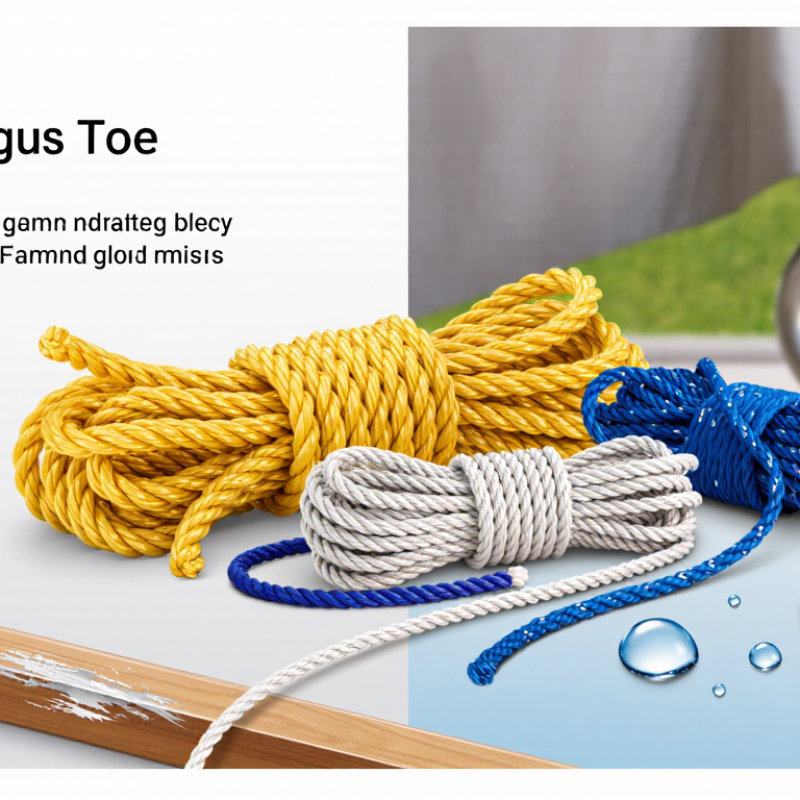
| Wet conditions | Identify exposure to rain, spray, immersion, or repeated wet-and-dry cycles. | Nylon absorbs water; wet conditions can reduce rope strength and change handling characteristics. | Check the rope’s wet-use guidance, inspect it regularly, and account for any stated reduction in capacity. |
| Sunlight and outdoor exposure | Estimate how long the rope will be exposed to direct sunlight and outdoor weather. | Nylon has useful outdoor durability, but prolonged ultraviolet exposure can gradually degrade fibers. | Choose a rope specified for outdoor use, store it out of direct sunlight when practical, and replace it if it shows deterioration. |
| Abrasion and contact points | Check for rubbing against edges, rough surfaces, pulleys, or hardware. | Abrasion can wear through the outer fibers and reduce strength, regardless of the rope’s original rating. | Use suitable protective sleeves or fairleads, keep contact surfaces smooth, and inspect high-wear areas often. |
| Rope construction | Choose a construction that suits handling, flexibility, and the type of equipment used. | Three-strand laid rope is flexible and easy to splice; braided constructions can offer a smoother hand and more stable handling. Performance varies by design. | Match construction to the application and follow the rope maker’s instructions for knots, splices, and compatible hardware. |
| Stretch requirements | Decide whether stretch is helpful for absorbing movement or undesirable for precise positioning. | Nylon generally stretches more than low-stretch fiber ropes, which can help with some dynamic loads but may allow movement. | For applications requiring minimal elongation or precise positioning, compare nylon with a suitable low-stretch rope and review the application requirements. |
| Chemical exposure | Identify any contact with cleaners, oils, fuels, acids, alkalis, or other chemicals. | Chemical resistance depends on the specific substance, concentration, temperature, and exposure duration. | Verify compatibility with the rope supplier before use. Do not assume nylon is suitable for an unknown chemical environment. |
| Knots, splices, and hardware | Account for connections, bends, small-radius edges, and the hardware the rope will pass through. | Knots and tight bends can reduce rope strength; incompatible or sharp hardware can cause concentrated wear. | Use properly sized, smooth hardware and approved terminations. Include connection-related strength reductions in the safety assessment. |
| Inspection and service life | Set inspection frequency based on use, exposure, and the consequences of failure. | Wear, cuts, heat, contamination, and fiber damage can compromise performance even when damage is not obvious at first glance. | Follow the supplier’s inspection and retirement guidance. Remove rope from service if it is damaged or its history is uncertain. |



 Close