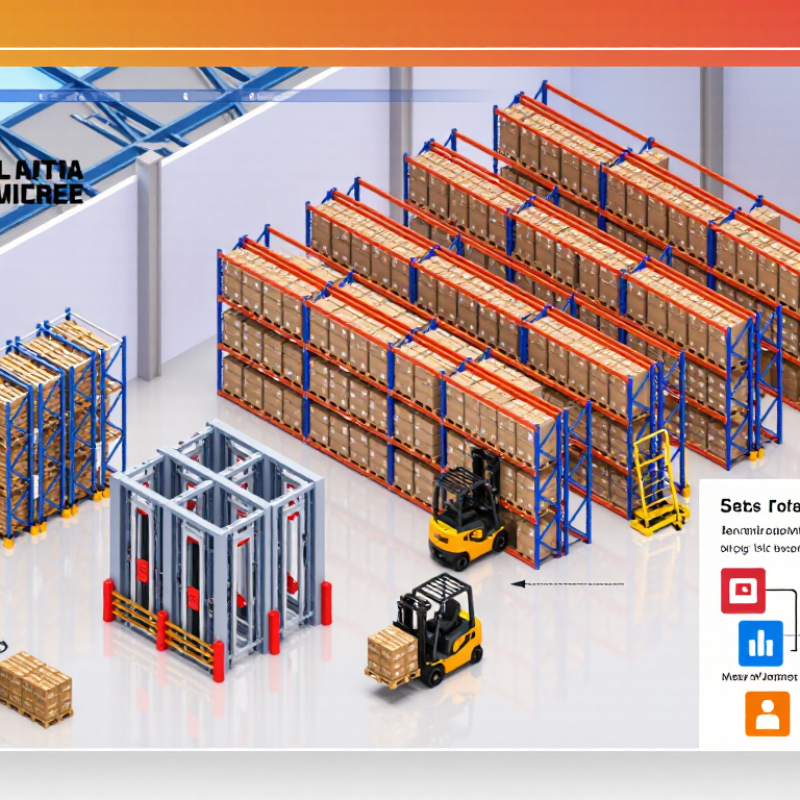
Choosing a pallet rack starts with the space and the work, not a catalogue. Measure clear ceiling height, column spacing, doors, lighting, sprinklers, and floor condition. Record pallet dimensions and loaded weights, including uneven or overhanging loads. Check the turning radius of forklifts and the width needed for safe aisle access. Small details matter.
A scaled layout can reveal blocked exits, tight corners, and wasted vertical space before installation begins. Leave room for loading, picking, and maintenance, rather than filling every available gap. A drawing helps. Confirm that the slab, anchors, frames, and beams suit the planned loads. Have a qualified rack professional review the design and installation, and follow applicable building and safety requirements. Installers should check alignment, connections, and anchoring; a rack that looks straight is not necessarily secure.
Plan for change, too. Estimate likely growth in pallet volume and product size, then consider whether future bays can fit without disrupting daily traffic. Keep expansion space and access routes clear. It may be tempting to buy extra capacity now, but unused rack can consume valuable floor space.
Forecasts are imperfect; review them against actual inventory after a few months. Record approved load limits and train staff to report impact damage promptly.



 Close