| Application and process | Describe the intended process and component, such as metal additive manufacturing, powder metallurgy, thermal spraying, or another use. | Gas-atomized powder for a qualified laser powder bed fusion process. | Confirm that the powder’s size distribution, flow behavior, and morphology are suitable for the specific equipment and process parameters. |
| Stainless steel grade | Specify the grade or required chemical composition. Common options include 316L, 304L, and precipitation-hardening 17-4 PH. | 316L stainless steel, with chemistry reported against the agreed specification. | Request a chemical analysis and clarify the applicable standard, permitted composition limits, and any project-specific restrictions. |
| Particle size distribution | State the target size range and measurement method. The suitable range depends on the process and equipment. | Request a target range such as 15–45 μm for evaluation, subject to process compatibility. | Ask for the measured particle size distribution, including D10, D50, and D90 where available, plus the test method and acceptance limits. |
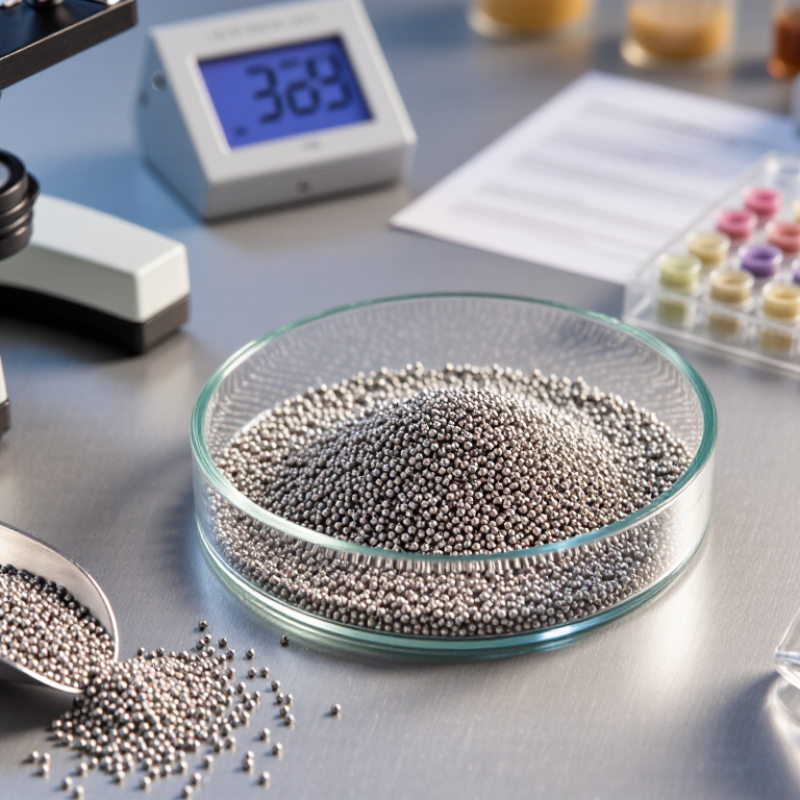
| Particle morphology | Define any need for spherical particles, low satellite content, or limits on irregular and hollow particles. | Spherical, gas-atomized powder with morphology supported by representative inspection data. | Clarify how morphology is assessed and request representative microscopy images or inspection results when morphology is critical. |
| Flow and packing properties | Identify flowability and packing requirements relevant to feeding, spreading, or compaction. | Report flow or apparent-density results using an agreed test method; set acceptance limits after process trials. | Confirm the test method, sample condition, and whether results are typical values or batch-specific measurements. |
| Oxygen and other interstitial elements | Set limits for oxygen, nitrogen, and other elements that may affect material performance or process suitability. | Request batch-specific oxygen and nitrogen results, with limits agreed for the application. | Check the analytical method, reporting units, and whether the supplier can meet the limits consistently across batches. |
| Quantity and batch size | Specify the sample amount, expected production volume, and preferred batch consistency. | Begin with a small evaluation lot, then define the production quantity after process validation. | Confirm minimum order quantity, available lot sizes, lead time, and whether repeat orders can be supplied to the same specification. |
| Quality records and traceability | Define the records needed for incoming inspection, qualification, and production control. | Request a lot-specific certificate of analysis, lot identification, and documented test results. | Confirm document content, traceability from powder lot to test results, change-notification practices, and retention of quality records. |
| Packaging and storage | Specify container size, moisture protection, labeling, and handling requirements. | Request sealed, clearly labeled containers appropriate to the powder quantity and transport conditions. | Confirm packaging materials, net weight, storage guidance, shelf-life policy if applicable, and safe handling documentation. |
| Qualification and supply continuity | Plan sample evaluation, approval criteria, and the process for managing future specification or production changes. | Qualify an initial lot against agreed tests before approving routine supply. | Ask about production controls, lot-to-lot data, notification of material or process changes, and contingency planning for supply interruptions. |



 Close