How to Choose the Right Surgical Instrument for Your Surgery?
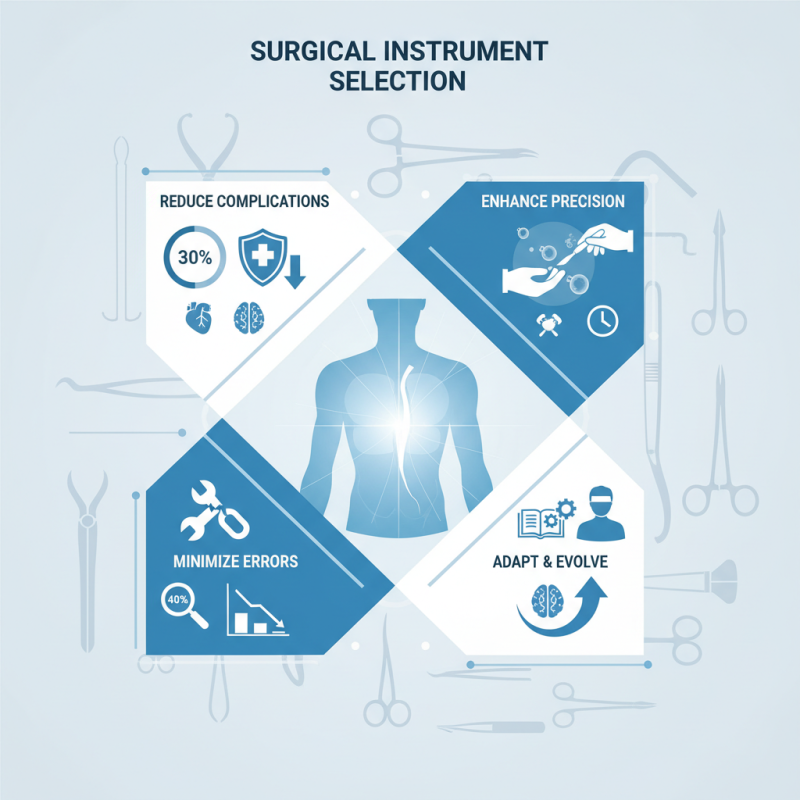
Choosing the right Surgical Instrument is crucial for any surgical procedure. According to a report by the World Health Organization, proper instrument selection can reduce surgical complications by up to 30%. Surgeons often face a daunting array of tools, each designed for specific tasks. The right instrument can enhance precision and improve patient outcomes.
Yet, many healthcare providers overlook the importance of this choice. A study published in the Journal of Surgical Research noted that 40% of surgical errors are related to instrument mishandling or selection. Surgical instruments must be tailored to the procedure and the patient's needs. With advancements in technology, new specialized tools emerge regularly, complicating the decision-making process.
Reflection is essential in this context. Surgeons must continually assess their instrument choices based on feedback and outcomes. They should stay informed about the latest developments and seek training for new tools. As the surgical field evolves, so too must our understanding of the instruments we select. Only then can we truly aim for the best possible results.
Understanding the Types of Surgical Instruments Available
When selecting surgical instruments, understanding the types is crucial. Surgeons use various surgical tools, each designed for specific procedures. Common instruments include scalpels, scissors, and forceps. Scalpels are sharp, essential for making incisions. Scissors come in different shapes; some are straight, while others are curved, catering to diverse needs. Forceps grip tissues securely, allowing precise control during surgery.
The choice of instrument impacts outcomes. Some surgeries may require specialized tools like retractors to hold back tissue. Others might need dilators to access deep areas. Knowing the function of each instrument helps in making informed decisions. However, many surgeons sometimes overlook minor details. For instance, the size of an instrument can affect its handling and ergonomics. A slight misjudgment here could lead to complications.
Another common pitfall is the understanding of materials used. Instruments come in stainless steel or disposable forms. Each has advantages and drawbacks. Stainless steel is durable but may require sterilization. Disposable tools save time but can be costly. Balancing these factors requires careful thought. Assessing specific surgical needs can mitigate risks and enhance efficiency on the operating table.
Assessing the Specific Needs of Your Surgical Procedure
Choosing the right surgical instrument is crucial for successful outcomes. Each surgical procedure has unique requirements. Understanding these needs can be challenging. Surgeons must consider various factors when selecting instruments. The type of procedure, patient's condition, and expected outcomes all play a role.
For instance, delicate surgeries like neurosurgery require precision instruments. Conversely, orthopedic procedures may need more robust tools. Evaluating the specific demands of the surgery is essential. This evaluation includes understanding the anatomy involved and potential complications. Not all instruments will work equally well for every surgical situation.
Surgeons often find themselves reflecting on previous experiences. They may ask if different tools could have changed the outcomes. Learning from past surgeries helps refine future choices. A compatible instrument can enhance efficiency. It’s vital to remain open to new techniques and tools. This ongoing adaptation can lead to improved patient care and surgical success.
Evaluating Quality and Precision in Surgical Instruments
When selecting surgical instruments, quality and precision are paramount. The materials used must withstand repeated use and sterilization. Instruments made of high-grade stainless steel resist corrosion. Their sharpness affects the procedure's success significantly. A dull scalpel can cause more trauma. Surgeons often note how well instruments hold their edge.
Precision is equally crucial. An imprecise instrument may lead to complications. For instance, a poorly calibrated clamp can cause tissue damage. This misunderstanding often arises in training. New surgeons may prioritize cost over quality, risking patient safety. Investing in the right tools upfront can save time and reduce errors during critical procedures.
Evaluating instruments also includes assessing ergonomics. A poorly designed handle can lead to fatigue. Surgeons need comfort to maintain focus. However, preferences vary widely. What feels right for one may not suit another. It highlights the importance of hands-on experience. Testing instruments before finalizing a choice is vital, yet time-consuming. There’s often pressure to make swift decisions, which can lead to regrettable oversights.
Identifying the Right Materials for Surgical Instruments
Choosing the right surgical instrument is crucial for a successful surgery. One critical element in this decision-making process is identifying the right materials for these instruments. Surgical tools can be made from various materials, each affecting performance and patient safety differently. Stainless steel is often favored for its corrosion resistance and strength, while titanium offers a lighter alternative with excellent durability.
It's vital to consider the application of each instrument. For instance, instruments used in orthopedic surgeries may require tougher materials. A report from the American Surgical Association indicated that inappropriate material selection can lead to increased complication rates in 15% of cases.
Tips: Always prioritize biocompatibility. Devices should not trigger allergic reactions or other adverse effects. Furthermore, consider weight and ergonomics. Heavy tools can tire the surgeon quickly, impacting precision.
Reflection on past experiences can aid in material selection. Some hospitals have faced issues due to subpar instruments leading to longer recovery times. A study found that only 68% of surgical teams routinely check the materials of their instruments. Improved training could enhance awareness of these crucial factors. Choose wisely, as the right materials significantly impact surgical outcomes.
How to Choose the Right Surgical Instrument for Your Surgery? - Identifying the Right Materials for Surgical Instruments
| Instrument Type | Material | Durability | Sterilization Method | Common Uses |
| Scalpel | Stainless Steel | High | Autoclave | Incisions |
| Forceps | Titanium | Very High | Autoclave | Grasping |
| Scissors | Stainless Steel | High | Autoclave | Cutting Tissues |
| Needle Holder | Stainless Steel | High | Autoclave | Suturing |
| Electrocautery | Copper | Moderate | Not Applicable | Cutting and Coagulation |
Consulting with Surgical Experts for Optimal Instrument Selection
When selecting the right surgical instrument for a procedure, collaboration with surgical experts is vital. Their experience brings invaluable insights that guide the decision-making process. These experts understand the nuances of various instruments. Their recommendations can significantly impact surgical outcomes.
Tips: Always discuss specific surgical needs with your team. Confirm that the tools meet those requirements. Ensure everyone understands their role in the process.
Another factor to consider is the material of the instruments. Different surgeries may require specific materials for optimal performance. Not every instrument works well in every situation. Consulting experienced surgeons can clarify which materials will be most effective for your surgical goals.
Tips: Evaluate instruments regularly for wear and tear. A well-maintained tool is crucial for safe surgeries. Don't hesitate to ask for feedback from colleagues on newer instruments.
In the end, the choice of surgical instruments can feel overwhelming. Working closely with experts helps simplify this complex task. Your team's combined knowledge can lead to more effective solutions.



 Close
Close