How to Choose the Right Water Cooler Machine?
Choosing a Water Cooler Machine is less about appearance than matching daily use, available space, and water access. A workshop may need quick dispensing and a larger reservoir, while a small office may prioritize quiet operation. At home, a narrow countertop unit can be more practical than a floor-standing model. Small details matter. Check cup clearance, the drip tray, power access, and distance to a sink or water line. A machine that looks suitable online may feel awkward beside a crowded break-room counter. Water access also shapes the choice: bottle-fed models avoid plumbing work, while point-of-use models need a suitable connection and regular filter care.
Compare hot, cold, and room-temperature options against actual habits, not a long feature list. If staff rarely use hot water, paying extra for that function may not make sense. Review rated capacity, cooling speed, energy use, safety controls, and cleaning instructions in the manufacturer’s specifications. Look for clear filter replacement intervals, warranty terms, and accessible service support. These checks cannot guarantee trouble-free use. Water taste and maintenance needs can vary with local supply and usage, so plans may need adjustment after installation. Reviews can offer useful context, but treat vague claims about “best” performance cautiously. The right choice is usually the machine that fits its setting, serves people reliably, and can be maintained without fuss.
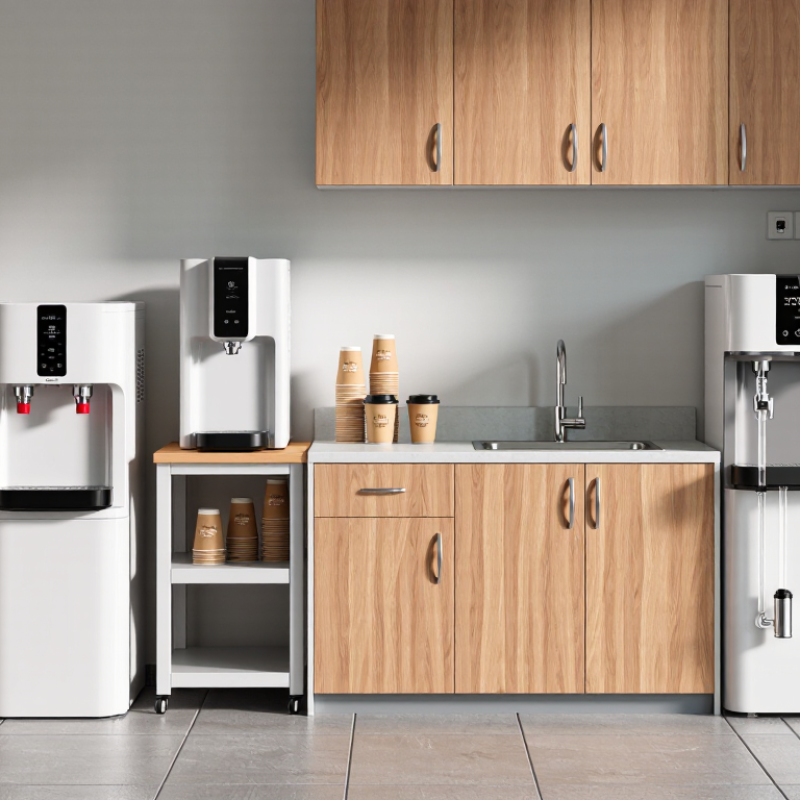
Identify Your Water Supply and Daily Usage Needs
Before comparing models, identify what the cooler will connect to. A point-of-use unit needs a nearby potable-water line, compatible pressure, and space for a shutoff valve. A bottled-water model avoids plumbing, but requires storage for replacement bottles and room to lift them safely. Check the outlet location, too. A machine that blocks a walkway is a poor fit, even if its capacity looks right on paper.
Estimate daily demand from the people who will actually use it, not the building’s headcount. The National Academies’ 2004 Dietary Reference Intakes set adequate total-water intakes at 3.7 liters daily for adult men and 2.7 liters for adult women; these figures include water from food and all beverages, so they are not cooler-consumption targets. Count likely servings instead. For example, a 12-person office may need more capacity at lunch than its daily average suggests. Peak use matters. Note whether users fill small cups, large bottles, or both, then compare that pattern with the cooler’s dispensing rate and chilled-water reserve. The estimate will be imperfect; track actual use for a week before deciding.
Compare Water Cooler Types and Dispensing Systems
A bottled water cooler is simple to place: load a bottle, plug it in, and check the refill schedule. It suits rooms without nearby plumbing, though lifting heavy bottles can be awkward. A point-of-use cooler connects to a water line and may reduce bottle handling. It needs suitable installation, filter changes, and access to a drain on some models. Space matters.
Dispensing systems affect daily use. Push-button taps are familiar and easy to operate, while lever-style controls can be convenient when hands are full. Touchless sensors reduce shared contact, but they may dispense too easily if cups pass beneath them. Try the controls in person if possible. Small details count.
Consider what people actually drink. A family may value hot, cold, and room-temperature options; a small office might need only chilled water. Check the unit’s cooling capacity against peak use, not just its tank size. A cooler that serves several people may slow down during a busy break. Also inspect the drip tray, nozzle clearance, and cleaning instructions. A specification sheet can miss the awkward parts: where a large cup fits, or how easily the filter cover opens.
How to Choose the Right Water Cooler Machine?
Compare bottle-fed and point-of-use (plumbed) water cooler systems.
Bottle-fed coolers typically need bottle replacement but not a water-line connection. Point-of-use coolers connect to a water line and typically do not need bottle replacement. Hot, cold, and room-temperature dispensing options vary by model, so check the product specifications before choosing.
Assess Capacity, Filtration, and Temperature Options
How to Choose the Right Water Cooler Machine?
Assess Capacity, Filtration, and Temperature Options
A cooler should match daily use, not just look compact beside a counter. Estimate peak demand: a small office may need several liters ready during breaks, while a busy reception area needs faster recovery. Check reservoir size and dispensing rate; these figures describe different things. A large tank can still refill slowly. Small details matter. Consider where the unit will sit, too, since ventilation and refill access affect routine use.
Filtration depends on the incoming water and the contaminants you want to reduce. Review the filter type, replacement interval, and available performance data rather than relying on vague “cleaner taste” claims. If water quality varies, testing it first can prevent buying unnecessary filter stages. Cartridge costs are easy to overlook. Temperature choices deserve the same care: chilled water suits hot days, while hot dispensing helps with tea but may be less suitable around young children unless the safety lock works reliably. Some households barely use the hot setting.
Tips: Compare daily consumption with stated capacity, and confirm replacement filters are easy to source. Ask how long cooling takes after repeated pours. Keep a little margin, but avoid paying for features nobody uses.
Check Installation, Maintenance, and Running Costs
Before choosing a water cooler machine, check where it will stand and how it will connect. A plumbed-in unit needs a nearby water line, an accessible shutoff valve, and enough clearance for filter changes. A bottle-fed model avoids plumbing work, but someone must lift and replace heavy bottles. Measure doorways, counter depth, and the route to the installation spot. A machine that fits the room may not fit through the entrance. Small details matter.
Ask who will handle cleaning, filter replacement, and leak checks, and follow the schedule in the manual. Drip trays and dispensing points need regular attention, especially in shared kitchens. Confirm that replacement filters are easy to find, then note their price and expected service interval. Neglected maintenance can affect taste and reliability. It is easy to assume cleaning will happen; in a busy office, that assumption may fail.
Compare more than the purchase price. Include installation, bottles or filters, electricity, and service visits over several years. Check the unit’s stated energy use, then consider how often it will dispense water and whether heating or chilling stays on all day. A lower-cost model may become expensive if parts are hard to obtain. Estimates are imperfect: usage changes, and bills vary by location. Leave room in the budget for an occasional repair.
Match Safety Features and Size to Your Space
A water cooler should fit the room without blocking a walkway or making refills awkward. Measure the floor space, then check the machine’s full height with a bottle installed. Leave enough room above it to lift and replace that bottle. Tight corners can look convenient, but they often make cleaning and servicing harder.
Safety details matter, especially in a shared kitchen or a home with children. A hot-water lock can help prevent accidental dispensing, while a stable base reduces the chance of tipping. Check the drip tray and ask how leaks are detected or handled. Also confirm that the power cord can reach an outlet without crossing a busy path. Small details count.
For a compact office, compare the machine’s width with the space beside cabinets and allow room for airflow if the instructions require it. In a larger break room, consider how many people will use it during peak hours. A small unit may mean frequent refills; a larger one may crowd the counter. It is tempting to choose by capacity alone, but I would pause and check who will maintain it. That part is easy to overlook.



 Close

