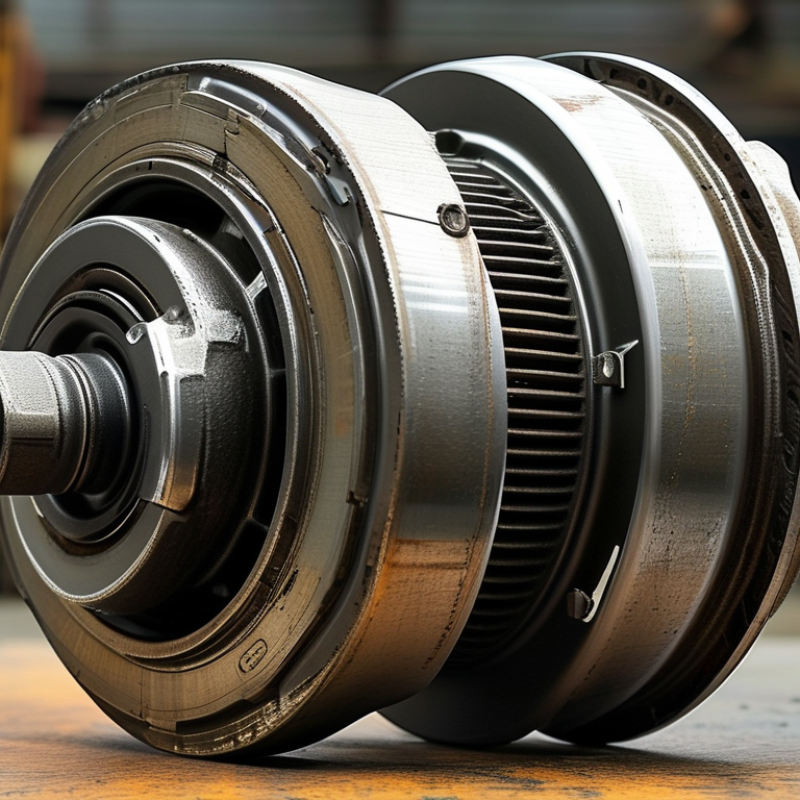
Choosing a wheel hub assembly in 2026 requires more than matching a part number. Verify the vehicle identification number, model year, drive layout, and bearing design. Check flange dimensions, stud spacing, connector type, and ABS sensor compatibility. A small mismatch can trigger warning lights or uneven braking.
Installation requirements deserve equal attention. Follow the service manual for axle-nut torque, tightening sequence, and replacement fasteners. Never guess torque values. Clean the knuckle and mounting face before fitting the assembly. Confirm the sensor cable has enough clearance from the rotor and suspension. After installation, scan the ABS system and complete a low-speed road test. A quiet bearing can still be incorrectly preloaded. That mistake may appear months later.
S&P Global Mobility reported that the average U.S. vehicle age reached 12.6 years in 2024. Older vehicles need parts that tolerate corrosion, repeated heat cycles, and imperfect road surfaces. Compare warranty terms, seal quality, corrosion protection, and documented testing. The cheapest unit may cost more after repeated labor. I have learned that “direct fit” is not always precise enough. Workshop records and manufacturer specifications remain stronger evidence.
Tips: Photograph the original connector and cable route. Measure the old flange if fitment data looks unclear. Recheck torque after the first inspection, not by feel. Keep the invoice and test results for future diagnosis.



 Close
Close