What is a Cigarette Box Labeling Machine and How Does It Work?
In the modern manufacturing world, a Cigarette Box Labeling Machine plays a crucial role. This machine automates the labeling process, ensuring precision and efficiency. It is designed to cater to the specific needs of cigarette production lines, where fast-paced operations demand reliability.
Cigarette Box Labeling Machines operate through various technologies, from basic rollers to advanced sensors. As they affix labels, they reduce human error and enhance productivity. Yet, their implementation can pose challenges. It requires skilled operators to maintain the machinery and ensure smooth operation. Over time, users often reflect on areas for improvement in efficiency and maintenance.
Understanding this machinery involves recognizing its impact on branding and compliance. Labels provide essential information, and adherence to regulations is vital. While these machines boost productivity, business leaders must continually assess their effectiveness. Are they truly meeting all operational needs? Regular reflection can lead to enhancements in performance and reliability.
What is a Cigarette Box Labeling Machine?
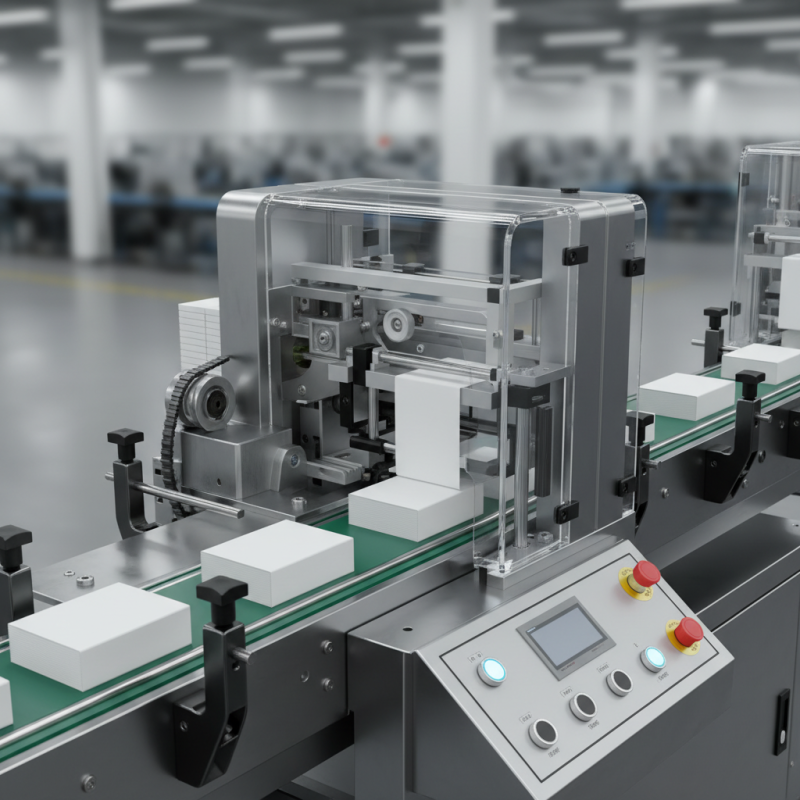
A cigarette box labeling machine is an essential piece of equipment in the tobacco industry. It automates the process of applying labels onto cigarette boxes with precision. These machines come equipped with advanced technology to ensure accurate placement of labels. They can handle various box sizes and shapes, providing flexibility for manufacturers.
Typically, a labeling machine operates using sensors and a conveyor system. As the boxes pass through, the machine detects their presence. It then applies labels using adhesive methods. Many machines also have touch screens for easy operation. However, issues may arise if the labels become misaligned. Regular maintenance and calibration are vital for optimal performance.
Moreover, the integration of this technology significantly boosts production efficiency. High-speed machines can label thousands of boxes every hour. Nevertheless, the reliance on automation can sometimes lead to oversights. Ensuring product quality and compliance with regulations demands constant oversight. Each production run must be closely monitored to prevent mistakes in labeling.
Key Components of Cigarette Box Labeling Machines
Cigarette box labeling machines are essential in the tobacco industry. They ensure compliance with regulations and enhance product visibility. Key components play a significant role in their operation.
At the heart of these machines is the label dispenser. It systematically feeds labels onto boxes. This mechanism often uses sensors to detect box positions, minimizing errors. According to a 2022 report by Packaging World, the accuracy of labeling can impact sales by up to 15%. Proper alignment maintains brand integrity.
Another critical component is the control system. Advanced models integrate PLCs (Programmable Logic Controllers) for precision control. This system allows for quick adjustments in speed and label types. Additionally, many machines now feature user-friendly interfaces, which simplify operation. However, the high-tech nature may require specialized training.
Finally, the printer is vital. High-quality printing ensures barcodes and product information are clear. Inaccurate prints can lead to supply chain issues. Some operators report difficulty in maintaining consistency, indicating a need for better calibration. Investing in quality components is crucial for reducing errors and improving overall efficiency.
The Labeling Process: Step-by-Step Breakdown
Cigarette box labeling machines are essential in the packaging industry. Understanding their labeling process reveals their sophistication. The process begins with aligning the cigarette boxes efficiently. This step ensures precise placement of labels.
Next, the machine applies adhesive to the label's back. The adhesive must be strong enough to withstand handling. Afterward, the label is precisely positioned on the box. This requires careful calibration of the machinery. It’s vital to inspect the alignment regularly.
Finally, the machine initiates a quality check. This helps catch any mislabels, ensuring product consistency. Despite technological advances, occasional errors may occur. In these cases, operators should assess the source of mistakes and adapt their approach. Continuous improvement in the labeling process is crucial for maintaining quality and efficiency.
Cigarette Box Labeling Machine Efficiency
This chart illustrates the efficiency of a cigarette box labeling machine in terms of labels applied per minute across various production speeds.
Industry Standards and Regulations for Cigarette Packaging
Cigarette packaging is subject to strict industry standards and regulations. These rules ensure that products are labeled correctly, providing essential information to consumers. This includes health warnings, ingredient lists, and product specifics. Compliance with these regulations is crucial for manufacturers.
Failure to meet labeling standards can result in significant penalties. For example, non-compliance may lead to product recalls or fines. Each country has its own set of requirements. This often includes specific font sizes and warning graphic placements. Knowledge of local regulations is vital for manufacturers. They must stay updated on changes to avoid potential legal issues.
Labeling standards aim to protect consumers. They promote transparency and informed choices. However, not all manufacturers meet these expectations consistently. Some may overlook crucial details in their labels. This can lead to misinformation and consumer distrust. Hence, it is imperative for industry players to prioritize adherence to these standards. Proper labeling is not just about compliance; it fosters a responsible industry.
Market Trends: Adoption and Innovation in Labeling Technology
In recent years, the labeling technology for cigarette boxes has undergone significant evolution. The global rise in regulations surrounding tobacco products has driven this change. According to a report by Smithers, the market for labeling machinery is expected to grow by 4% annually through 2025. This trend is largely attributed to increasing automation and the need for compliance with stricter labeling standards.
Cigarette box labeling machines now feature advanced technologies like digital printing and automation. These machines enhance efficiency and reduce labor costs. With the introduction of features such as real-time data processing, companies can adjust labels quickly to comply with new regulations. However, adapting to these technologies isn't without challenges. Many manufacturers struggle with integrating new systems into existing production lines. This transition often leads to downtime, which can impact profitability.
Furthermore, the demand for sustainable labeling materials is rising. Brands seek eco-friendly options due to consumer preferences. According to a survey by Packaging Strategies, 72% of consumers consider sustainability when purchasing tobacco products. This growing awareness pressures manufacturers to innovate continually. However, sourcing sustainable materials might raise costs and complicate supply chains. Companies must balance cost, compliance, and consumer demand in an evolving market.



 Close
Close