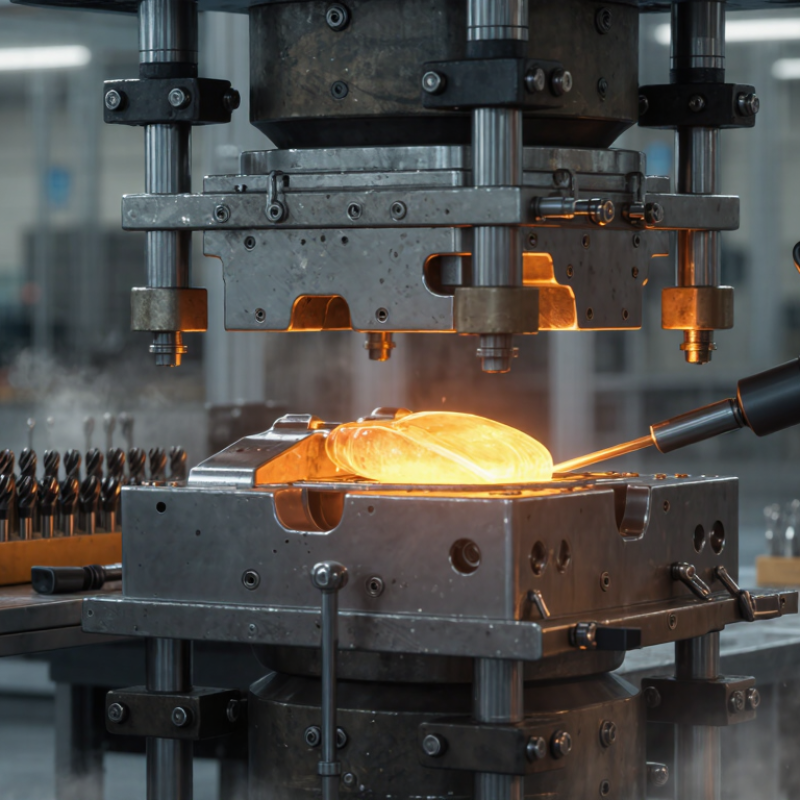
| Process definition | Closed-mold heated forming with machining operations | Uses a closed, heated mold to shape or cure a workpiece; machining may be used for features or finishing when the material and process allow it. | The phrase “closed mold hot machining” is not a universally standardized process name. In many production workflows, machining takes place after the part is removed from the mold. |
| Mold material | H13 hot-work tool steel | Provides a durable mold or die surface for processes involving elevated temperatures and repeated thermal cycling. | Commonly used for hot-work tooling. The suitable heat treatment and operating limits depend on the mold design and process conditions. |
| Mold material | P20 prehardened mold steel | Used for mold bases and cavities where machinability and a prehardened supply condition are useful. | Often selected for plastic molds and moderate-duty tooling; suitability depends on the material being processed, temperature, pressure, and required tool life. |
| Workpiece material | Thermoset fiber-reinforced composites | Can be shaped or cured in a closed mold; trimming, drilling, or edge finishing is commonly performed after molding. | Glass- and carbon-fiber composites can produce abrasive dust. Use suitable extraction and tooling. Excessive heat during cutting can damage the resin or cause delamination. |
| Workpiece material | Engineering thermoplastics | May be formed in heated tooling and machined for holes, slots, or dimensional finishing. | Cutting while a thermoplastic is hot can cause softening, smearing, or dimensional change. Many parts are machined after cooling and stabilization. |
| Workpiece material | Aluminum alloys and steel alloys | May be used as workpieces in thermally assisted machining or as components made with heated closed-die processes. | Machinability and safe cutting conditions vary by alloy and temper. Hot-worked parts are commonly allowed to cool or receive the specified heat treatment before finish machining. |
| Molding equipment | Matched heated mold halves | Enclose and shape the material while controlling the cavity geometry. | Mold alignment, venting, surface finish, and release method affect part quality. The mold must be designed for the process temperature and clamping load. |
| Molding equipment | Hydraulic or mechanical press and clamping system | Applies and maintains the force needed to close the mold during forming or curing. | Required force depends on projected part area, material behavior, cavity pressure, and tooling design; it should be determined by process engineering rather than a generic setting. |
| Temperature control | Heaters, temperature controllers, and thermocouples | Heat the mold and monitor temperature at selected locations. | Sensor placement and calibration matter because mold temperature can vary across the tool. Follow the material supplier’s processing window. |
| Machining equipment | CNC milling machine, router, or drilling system | Creates precise holes, edges, pockets, and other features in the part or tooling. | For many molded composites and polymers, CNC machining is performed after demolding and cooling. Fixturing should support the part without causing distortion. |
| Cutting tools | Carbide or diamond-based cutting tools | Remove material while maintaining edge quality and tool life. | Tool geometry and material should match the workpiece. Abrasive fiber composites often require wear-resistant tooling and frequent inspection for edge wear. |
| Safety equipment | Local exhaust ventilation, guarding, and heat-resistant PPE | Controls dust, chips, hot surfaces, and other hazards during molding and machining. | Composite dust and hot-work hazards require task-specific controls. Use the equipment manufacturer’s safety instructions and applicable workplace requirements. |
| Process note: A closed mold is generally used for forming or curing, not for cutting while the mold remains clamped shut. Whether machining is performed hot, warm, or after cooling depends on the material, part geometry, and validated process plan. |



 Close