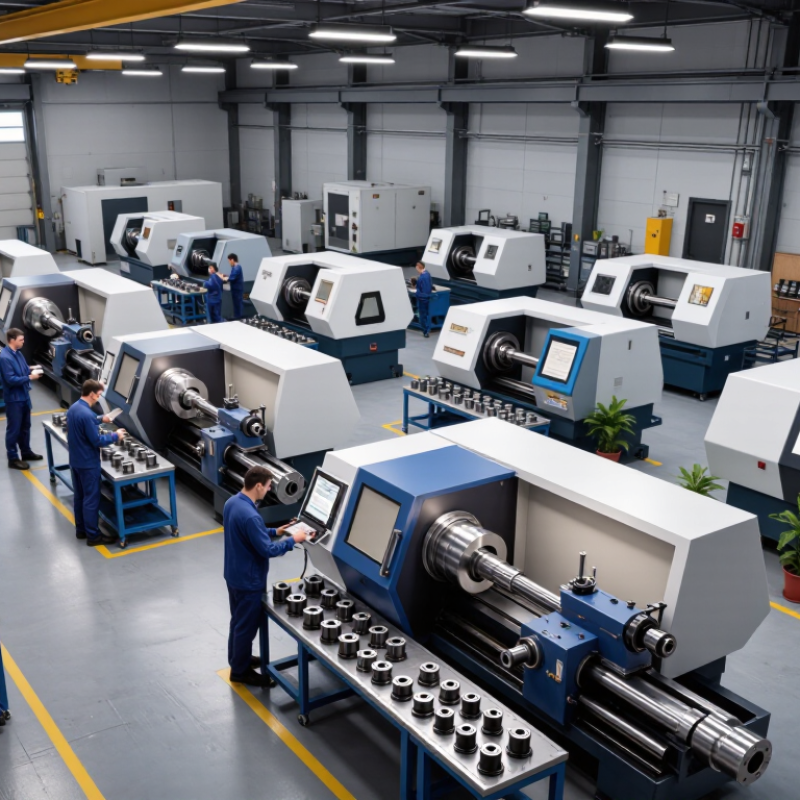
For global buyers, a CNC lathe supplier’s certificate is a starting point, not proof that every shaft or bushing will meet specification. ISO’s Survey of Management System Standard Certifications, 2022, recorded 1,265,216 valid ISO 9001 certificates across 189 countries and economies. That scale makes certification useful for screening, but buyers still need to check the certified site, scope, and current status.
ISO 9001 asks suppliers to manage processes, document controls, address risks, and improve quality. IATF 16949 adds automotive-specific requirements, including stronger controls for traceability, supplier performance, and production changes. On a shop-floor visit, ask how a revised tool offset is recorded, who approves it, and whether the measurement system is calibrated. Paper is not proof. A polished certificate cannot show whether the batch on your order was inspected correctly.
For CNC parts, request recent inspection records tied to the drawing revision, material certificates, and evidence of corrective action for nonconforming parts. Check whether the supplier monitors key dimensions, such as bore diameter or runout, through production—not only during final inspection. A capable supplier should explain its control plan in plain language and show how it handles a failed measurement. Even then, audits have limits; sampling can miss a recurring issue, and buyers should verify performance through incoming inspection and delivery data.


 Close
Close