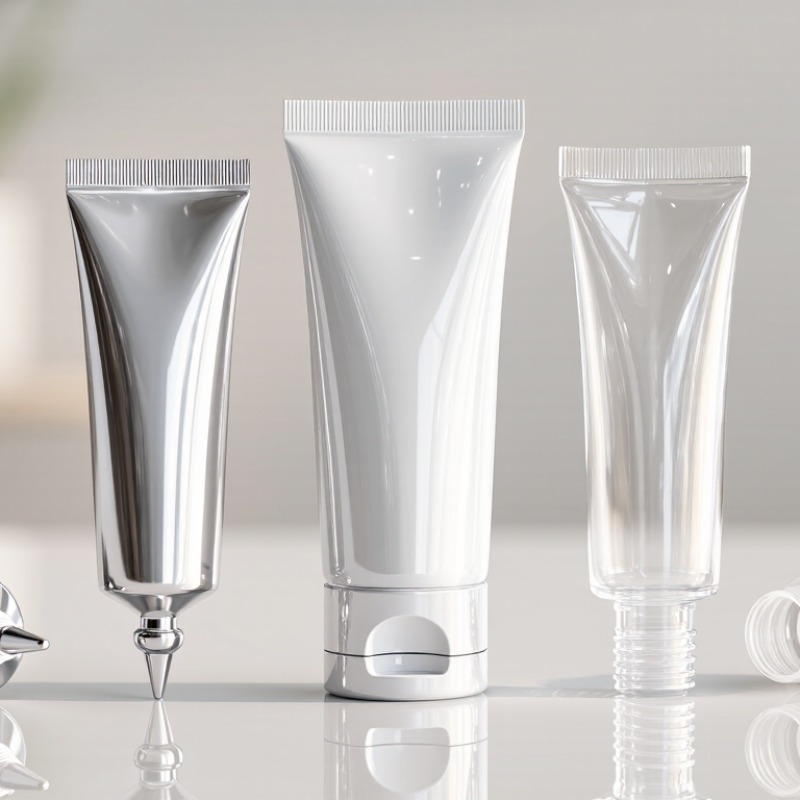
| LDPE (Low-Density Polyethylene) | Usually a single-layer, flexible polyethylene tube. | Soft and easy to squeeze; offers good flexibility and moisture resistance. Its barrier performance against oxygen and some volatile ingredients is limited compared with multilayer structures. | Hand creams, lotions, cleansers, and other products that do not require a high oxygen barrier. | Often suitable for straightforward formulations. Confirm compatibility and shelf-life requirements with packaging testing. |
| HDPE (High-Density Polyethylene) | A polyethylene tube with a firmer feel; may be used in a single-layer or combined structure. | Typically stiffer than LDPE and offers good moisture resistance. It may require more force to dispense product, depending on tube thickness and design. | Body-care products, cleansers, and other formulations where a firmer tube is appropriate. | Tube flexibility and dispensing performance depend on the resin grade, wall thickness, and overall construction. |
| PP (Polypropylene) | Used in some tube components and, in suitable designs, as part of the tube body or a mono-material structure. | Lightweight and resistant to many chemicals. Its feel and flexibility differ from polyethylene; performance depends on the design and material grade. | Selected personal-care and cosmetic packs, as well as caps and closures on many tube formats. | Check squeeze feel, sealing, and compatibility for the specific formulation. Recycling options vary by local collection systems and package design. |
| ABL (Aluminum Barrier Laminate) | A multilayer laminate that includes an aluminum foil barrier layer between polymer layers. | Provides a strong barrier to oxygen, moisture, and light. The tube typically creases as product is dispensed and may not return to its original shape. | Barrier-sensitive creams, gels, and treatments that benefit from protection from air or light. | The combined layers can make recycling more challenging than a compatible mono-material package; confirm local recycling guidance. |
| PBL (Plastic Barrier Laminate) | A multilayer plastic tube that uses a barrier layer, commonly EVOH, within polymer layers. | Can improve oxygen barrier performance while retaining a smooth, flexible tube feel. Barrier performance depends on the layer design and thickness. | Lotions, creams, and other products that need more protection than a basic single-layer tube may provide. | Multiple material layers can affect recyclability. Some designs aim to be compatible with specific recycling streams, but acceptance varies by location. |
| Aluminum | A formed aluminum tube, generally fitted with a separate closure. | Offers a strong barrier to light, oxygen, and moisture. It tends to retain creases after squeezing and may be dented during handling. | Selected creams, ointment-like products, and formulations requiring a high barrier. | Material compatibility, internal coatings, seam integrity, and closure design should be evaluated for the product formulation. |



 Close