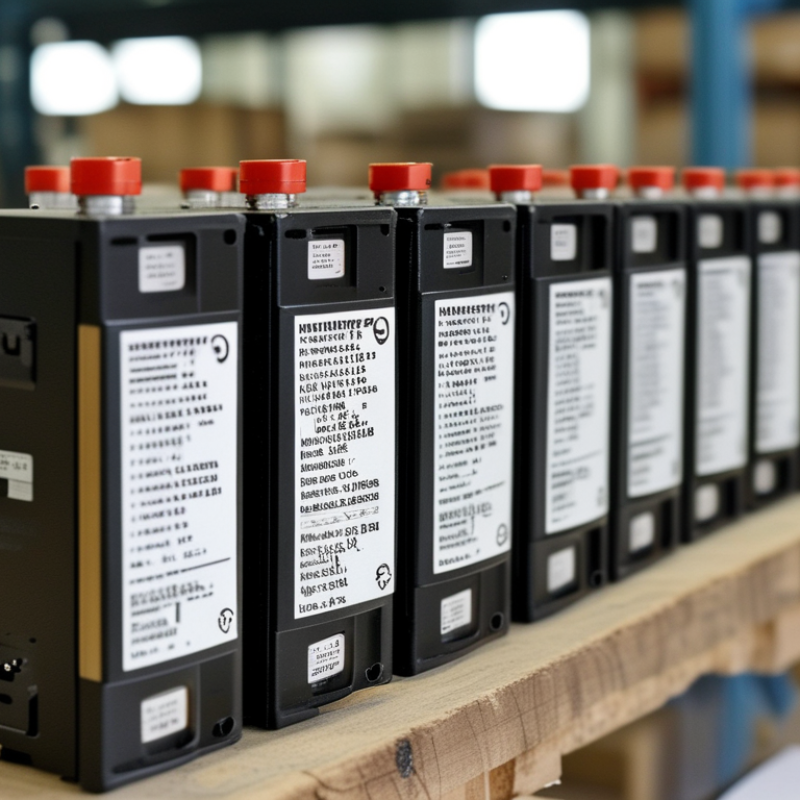
| Product identity | Exact model designation, revision level, serial-number format, and applicable attachment type | Model code and document revision number | Signed quotation, product nameplate photograph, controlled datasheet, and packing-list description | Prevents suppliers from substituting a similar-looking model or an outdated specification. | Critical | All documents must show the same model designation and revision. |
| Application compatibility | Compatible carrier or host-machine class, mounting arrangement, pin diameter, pin-to-pin distance, and bracket configuration | Carrier mass in metric tonnes; dimensions in millimetres | Installation drawing, mounting-interface drawing, and carrier compatibility table | Incorrect mounting dimensions can cause unsafe operation, premature wear, or installation failure. | Critical | Confirm every interface dimension against the actual carrier before issuing a purchase order. |
| Operating weight | Complete working weight, including standard tool, bracket, hoses, and required mounting parts | kg; identify included components and weighing tolerance | Technical datasheet and factory weight record | Weight affects carrier stability, lifting capacity, transport cost, and hydraulic balance. | Critical | Reject figures that do not state whether the tool and bracket are included. |
| Overall dimensions | Overall length, width, height, tool length, and transport dimensions | mm, measured in the stated working or transport configuration | Dimensioned general-arrangement drawing | Dimensions determine container loading, storage requirements, clearance, and machine reach. | Critical | Use a drawing with reference points, not only three approximate numbers. |
| Hydraulic oil flow | Required minimum, nominal, and maximum hydraulic flow; recommended return-line conditions | L/min, with test pressure and oil-temperature conditions stated | Hydraulic circuit specification and commissioning procedure | Insufficient flow reduces performance, while excessive flow can overheat or damage the attachment. | Critical | Compare the complete operating range with the carrier’s measured auxiliary-flow output. |
| Hydraulic pressure | Operating pressure, maximum allowable pressure, relief-valve setting, and back-pressure limit | MPa or bar; 1 MPa = 10 bar | Hydraulic schematic, pressure-test record, and installation instructions | Pressure compatibility protects the attachment, carrier hydraulics, seals, and hoses. | Critical | Do not approve a supplier that provides only a single pressure value without test conditions. |
| Impact performance | Impact frequency, impact energy or rated output, and test method | Impacts per minute; joules where impact energy is declared | Performance test report identifying oil flow, pressure, tool, and measurement method | Performance figures are not comparable unless the operating conditions are identical. | Critical | Compare only results measured under the same hydraulic and tool conditions. |
| Working tool | Standard tool type, tool diameter, usable tool length, material grade, and available tool options | Diameter and length in mm; material specification where available | Tool drawing, material certificate, hardness report, and spare-parts list | The tool directly affects penetration, wear rate, productivity, and operating cost. | Critical | Ensure the supplied tool dimensions match the breaker’s tool holder and retaining system. |
| Noise and vibration | Sound-pressure level, sound-power level where available, and operator vibration information | dB(A), with measurement distance and test conditions stated | Noise test report and occupational-safety information | Noise and vibration affect site permits, operator exposure, nearby structures, and compliance. | Important | Reject unqualified noise claims such as “low noise” without a measurement basis. |
| Wear components | Replacement intervals or inspection limits for tool retainers, bushes, seals, diaphragms, and fasteners | Operating hours, millimetres, torque values, or inspection criteria | Maintenance manual and recommended-spares schedule | Predictable wear limits reduce downtime and make lifecycle costs easier to calculate. | Important | Require measurable replacement criteria rather than “replace when damaged.” |
| Materials and heat treatment | Material grades for the body, tool, bushings, pins, and high-wear parts; heat-treatment process | Recognised material designation, hardness range, and treatment record | Material certificates, hardness records, and quality-control plan | Material consistency influences fatigue resistance, wear life, and repairability. | Important | Verify certificates by part number and batch, not only by a general company statement. |
| Quality inspection | Dimensional inspection, pressure testing, functional testing, leakage inspection, and final acceptance criteria | Inspection results linked to serial number or production batch | Factory acceptance test, inspection checklist, calibration records, and photographs | Traceable inspection results provide stronger protection than catalogue claims. | Critical | Require a completed inspection record before shipment. |
| Documentation package | Operation manual, installation guide, parts book, maintenance schedule, hydraulic requirements, and safety warnings | Document number, revision, language, and file format | Complete document index supplied before production approval | Accurate documentation supports safe installation, training, maintenance, and customs processing. | Important | Documents must be consistent with the exact model and supplied configuration. |
| Spare-parts availability | Prices and lead times for tools, seals, bushes, retainers, hoses, fasteners, and service kits | Part number, quantity, unit price, and lead time in days | Exploded parts list, recommended initial-spares list, and written quotation | Spare-parts access has a direct effect on equipment uptime and total ownership cost. | Important | Obtain a minimum two-year consumables forecast for the planned duty cycle. |
| Warranty terms | Warranty period, operating-hour limit, covered components, exclusions, claim procedure, and response time | Months and/or operating hours; define whichever comes first | Signed warranty document and claim-handling procedure | A clear warranty separates verifiable after-sales support from informal promises. | Critical | Warranty terms must be included in the sales contract, not only in email discussions. |
| Supplier capability | Production capacity, quality-control personnel, testing equipment, export experience, and technical support | Auditable records, production lead time in days, and support response time in hours | Factory audit, process flow, calibration list, sample inspection, and reference documentation with sensitive details removed | Capability verification helps reduce delivery, consistency, and service risks. | Critical | Use an independent inspection or video audit when an on-site audit is not practical. |
| Commercial and delivery terms | Incoterm, production lead time, packing method, payment milestones, inspection point, and export documents | Days, currency, agreed Incoterm, and document checklist | Pro forma invoice, packing specification, inspection clause, and shipping-document sample | Clear commercial terms reduce disputes over delivery responsibility, damage, and acceptance. | Important | Link final payment to documented inspection and conformity with the approved specification. |
| Total cost of ownership | Purchase price plus freight, installation parts, consumables, maintenance, expected wear, and downtime risk | Cost per operating hour or cost per planned project period | Five-year cost model using supplier quotations and stated operating assumptions | The lowest purchase price may not provide the lowest operating cost. | Standard | Compare suppliers using the same duty cycle, hydraulic conditions, and spare-parts assumptions. |



 Close
Close