What is a First Aid Eye Wash Station and Why is it Essential?
A First Aid Eye Wash Station is a crucial safety feature in various environments. It provides immediate relief for individuals who suffer eye injuries. These injuries can occur in workplaces like laboratories, construction sites, and manufacturing facilities. The quick access to clean water helps to flush out harmful substances efficiently.
Having a designated eye wash station demonstrates a commitment to health and safety standards. However, not all facilities prioritize this essential equipment. Some locations may overlook maintenance or proper placement of these stations. This can lead to dire consequences during emergencies.
Incorporating a First Aid Eye Wash Station is not just a regulatory requirement. It's a responsible decision that can save vision and even lives. The importance of readiness and accessibility cannot be overstated. Preparation and awareness are vital in ensuring that everyone knows how to use it effectively when the moment arises.
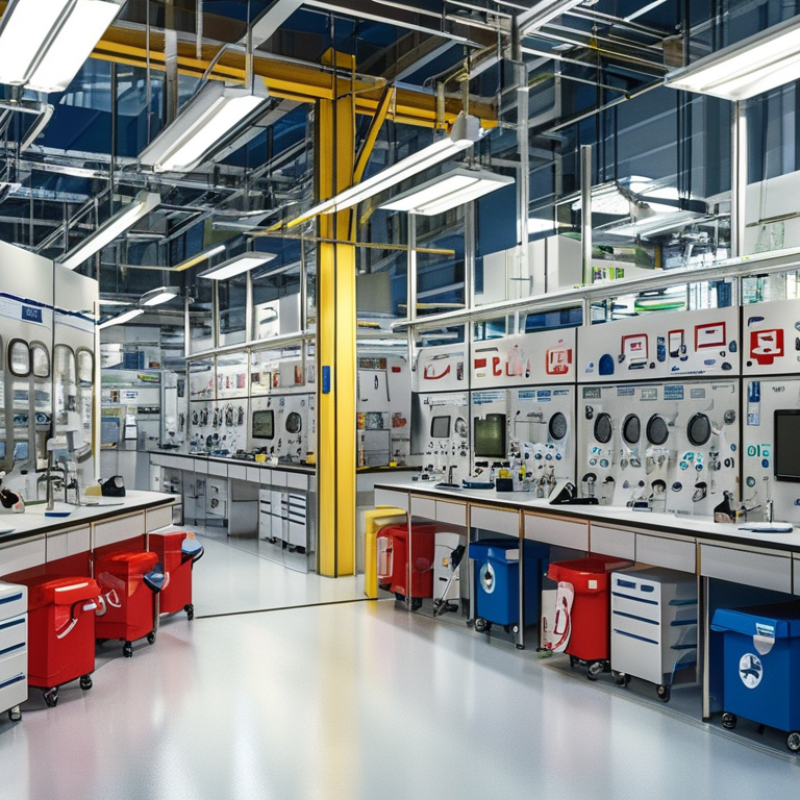
Definition of a First Aid Eye Wash Station
A First Aid Eye Wash Station is a vital safety feature in workplaces. It is specifically designed to provide immediate flushing of the eyes when exposed to harmful substances. The station typically includes a container with clean, sterile water or saline solution. This instant access can prevent serious eye injuries from becoming permanent.
In industries where chemicals are used, exposure risks are high. An eye wash station can save vision and reduce discomfort. These stations are often placed near work areas for quick access. They should be clearly marked and maintained regularly. Some facilities may lack sufficient eye wash stations, leading to unpreparedness. This lack of foresight can have dire consequences for employees.
Regular training on how to use the eye wash station is essential. Employees should know how to operate it effectively. Many people may panic in an emergency, which can impact their response. Therefore, practicing emergency procedures can enhance readiness. An eye wash station is not just compliance; it is a commitment to employee safety and health.
What is a First Aid Eye Wash Station and Why is it Essential?
| Feature | Description | Importance |
| Eye Wash Solution | Specialized sterile saline or water solution for flushing the eyes. | Essential for removing harmful substances and preventing eye injuries. |
| Location | Must be easily accessible within a 10-second travel distance in hazardous areas. | Quick access is crucial for effective treatment in emergency situations. |
| Training | Personnel should be trained on the proper use of the eye wash station. | Ensures that employees respond efficiently and safely in emergencies. |
| Maintenance | Regular checks and replenishment of eye wash solution are essential. | Maintains readiness for emergency use at all times. |
| Regulations | Compliance with OSHA and ANSI standards regarding eye wash stations. | Ensures workplace safety and reduces the risk of eye injuries legally. |
Importance of Eye Wash Stations in Workplace Safety
Eye wash stations are vital for workplace safety, especially in environments with hazardous materials. According to a report from the American National Standards Institute (ANSI), more than 20,000 eye injuries occur in the workplace annually. These injuries can lead to permanent vision damage. Quick access to an eye wash station can significantly reduce the severity of these injuries when they occur.
The importance of eye wash stations is underscored by the Occupational Safety and Health Administration (OSHA), which mandates their presence in specific workplaces. Studies show that immediate flushing of the eyes can prevent up to 90% of serious injuries. Despite this, many workplaces lack these essential facilities. A survey conducted by the National Safety Council indicates that about 30% of employees work in areas where eye wash stations are insufficient or absent.
In some cases, organizations underestimate their need for compliance with safety standards. This negligence can lead to higher injury rates and increased costs, both financially and in terms of employee trust. Investing in proper eye wash stations shows a commitment to employee health and safety. It is a critical step to ensure that every worker can perform their duties without the fear of irreversible harm to their vision.
Components and Features of an Eye Wash Station
An eye wash station is a crucial safety feature in workplaces where eye hazards exist. This equipment provides immediate and effective washing for eyes exposed to harmful substances. The components of an eye wash station are designed to meet specific safety standards. Typically, it includes a pair of eyewash heads, a reliable water supply, and proper drainage.
The eyewash heads provide a gentle flow of water, allowing both eyes to be rinsed simultaneously. This feature ensures thorough cleansing and minimizes further irritation. A pivotal aspect is the water source; it must deliver tepid water that is neither too hot nor too cold. In addition to these primary components, an eye wash station should be easily accessible and clearly marked for quick identification during emergencies.
**Tips:** Regular maintenance is vital. Check water flow regularly to ensure it is not blocked. Ensure the station is free from debris and is functional. Training employees on proper usage is essential. They should know how to use the eye wash station during emergencies. Lack of training can lead to confusion and delay, worsening injuries.
Importance of First Aid Eye Wash Stations
Eye wash stations are critical in reducing the effects of chemical exposure and preventing long-term damage. Below is a comparison of features and components found in eye wash stations based on standard safety guidelines.
Regulatory Standards for Eye Wash Stations
Eye wash stations are critical for workplace safety. These stations provide immediate care in case of chemical splashes or irritants. Regulatory standards dictate their placement and maintenance to ensure effective response during emergencies. The American National Standards Institute (ANSI) specifies requirements for eye wash stations. They must be accessible and functional within a specific distance from potential hazards. Regular inspections are essential to meet these standards.
Tips: Ensure that the eye wash station is clearly marked and free from obstructions. Conduct training sessions for employees to familiarize them with its location and usage.
Proper installation is key. The eye wash station should deliver a steady flow of water to cleanse the eyes effectively. Water temperature should be tepid, between 60°F to 100°F, to avoid causing further harm. Maintenance is necessary to keep these stations operational. Flushing the system at least once a week helps prevent contamination.
Tips: Keep maintenance logs for the eye wash stations. Schedule regular checks to ensure compliance with regulations.
Proper Maintenance and Usage Procedures for Eye Wash Stations
Eye wash stations are crucial in workplaces where chemicals and irritants are present. These stations provide immediate relief to individuals suffering from eye exposure. However, proper maintenance and adherence to usage protocols are often overlooked, jeopardizing their effectiveness.
Regular checks are essential for eye wash stations. Clean water should be available at all times. The fluid can become contaminated if the station is not regularly flushed. Furthermore, signage should be clear and visible. Staff must be trained to locate and use these stations. Ignoring these tasks can lead to critical failures in emergency situations.
In an emergency, timing is essential. The first few moments can determine the severity of an eye injury. Many assume that an eye wash station will function correctly, but neglect can lead to issues. Create a checklist for maintenance and ensure it is followed. Regular practice can reinforce confidence in using the station. There is no room for complacency when it comes to eye safety.


 Close
Close