How to Fix a Saw Swing Issue in Woodworking Projects?
In woodworking, achieving precision is essential. One common issue that many woodworkers face is saw-swing. This phenomenon causes inaccuracies in cuts, often leading to wasted materials and time. According to a report by the Woodworking Machinery Industry Association, saw-swing problems affect nearly 40% of amateur and professional woodworkers alike. Even small amounts of saw-swing can lead to significant discrepancies in final projects.
Expert in woodworking, John Smith, once stated, "Even the best saws can develop swing issues without proper maintenance." His insight emphasizes the importance of regularly checking equipment. Addressing saw-swing is not just about accuracy but also about improving overall project satisfaction. Every cut is vital; even a slight deviation can lead to frustration.
Woodworkers must be aware of the various factors contributing to saw-swing. Blade alignment, machine stability, and user technique all play critical roles. Tools may need adjustments, and sometimes, the problem may lie in their setup. Reflecting on these elements can lead to better outcomes and enhance woodworking skills.
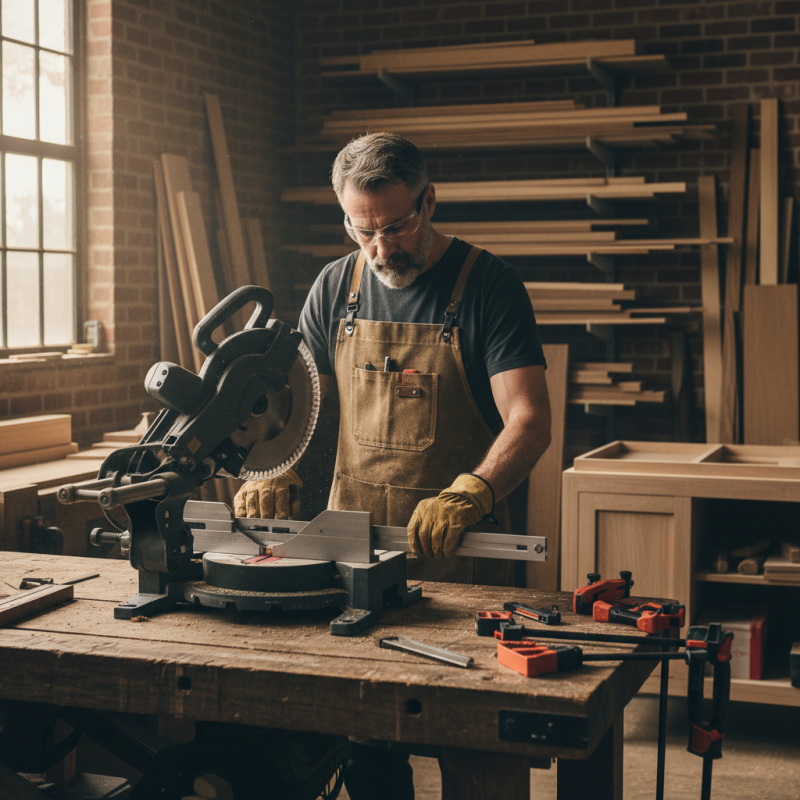
Identifying the Causes of Saw Swing in Woodworking
Saw swing can be a frustrating issue in woodworking projects. It often results in uneven cuts and compromised accuracy. Identifying the causes is crucial for rectifying the problem. One common culprit is improper alignment of the saw blade. If the blade is not parallel to the miter slot, it can lead to unpredictable results. A simple check with a square tool can reveal misalignment.
Another factor to consider is the condition of the saw itself. Dull blades can cause the saw to jerk and swing unexpectedly. Regularly replacing or sharpening blades helps maintain control. Also, the wood being cut may have imperfections, like knots or twists. These can push the blade off course.
Lastly, the technique of the operator can play a significant role. A steady hand is essential. Rushing through cuts often leads to mistakes. Taking note of these factors can help improve overall results in woodworking, but it requires ongoing reflection and adjustments. Mistakes may happen, and that’s part of the learning process. A thoughtful approach can lead to better projects down the line.
Assessing the Correct Tool Setup for Accuracy
In woodworking, a saw swing issue can significantly affect your project’s accuracy. Proper tool setup is critical. A report from the Woodworking Industry Association highlights that 75% of professionals attribute inaccurate cuts to poor setup. Ensuring your saw is aligned correctly is vital.
Check the blade alignment. Use a simple square to measure the blade's angle to the table. Adjustments can be challenging, but even a small misalignment can cause problems. Remember that a blade running at an angle can lead to uneven cuts.
**Tip:** Regularly calibrate your saw. This step can prevent major issues down the line.
Next, focus on your material and cutting technique. Different woods react differently to blades. Some hardwoods expand unpredictably, affecting your cuts. Experiment with speed and pressure. A slow, steady hand usually yields better results.
**Tip:** Always test cuts on scrap material first. This step will help you gauge the potential issues.
In crafting, repetition leads to improvement. Yet, each project may reveal unexpected flaws. Embrace these moments for skill enhancement.
Adjusting Blade Tension and Alignment Techniques
In woodworking, a saw swing issue can frustrate even experienced craftsmen. One common cause is improper blade tension. If the blade is too loose, it may wobble during cuts, leading to uneven edges. Conversely, if it's too tight, it might bind and cause kickback. Regularly checking blade tension can save you from messy projects.
Alignment is equally important. A misaligned blade can lead to a distinct curve in your cut. Start by checking the alignment with a square. If the blade deviates, adjustments must be made. Often, just slight tweaks can correct the course. However, achieving perfect alignment takes patience. It might require multiple attempts to get it just right.
Remember, woodworking is as much about trial and error as it is about skill. Don't get disheartened by small mistakes. Each failed cut teaches you something valuable. Reflect on what adjustments are necessary. Over time, you'll develop a keener eye for precision and a better understanding of your tools.
Implementing Proper Cutting Techniques to Minimize Swing
To minimize saw swing in woodworking, mastering proper cutting techniques is essential. When using a saw, the angle and pressure you apply can significantly impact the cut. Positioning your body correctly is crucial as it helps stabilize the saw. Stand firmly and make sure your feet are shoulder-width apart. A solid stance reduces movement and enhances control.
Start with a slow and steady cutting motion. Rapid movements increase the chances of the saw swinging off track. It’s essential to pay attention to the wood grain. Cutting against the grain can lead to unexpected swings and splintering. Familiarize yourself with your material; understanding its behavior can prevent costly mistakes.
Another key factor is the setup of your workspace. Ensure your workpiece is securely clamped down. An unsecured piece can shift while cutting, leading to erratic swings. Reflecting on past projects helps identify where swing issues occurred. Learning from those errors can lead to more precision in future cuts. Always practice, and don’t hesitate to revisit techniques that feel inconsistent.
Maintaining Your Saw for Consistent Performance
Maintaining your saw is crucial for consistent performance in woodworking. Regular checks can prevent issues like blade vibration and inaccurate cuts. Start by inspecting the blade for any signs of wear. If it looks dull or damaged, it’s time for a replacement. A sharp blade makes a significant difference. It allows for smoother cuts and reduces the risk of swing.
Cleaning your saw is just as important. Dust and resin can build up, impacting its performance. Use a damp cloth to wipe down the surface. Make sure to reach those hard-to-see areas too. A clean saw tends to perform better and gives you more control.
Don’t forget about alignment. A misaligned saw can lead to frustrating results. Take time to adjust the blade and ensure it’s straight. If you notice uneven cuts, this might be the problem. Taking the effort to maintain your tools can save you from bigger issues. It’s a step worth considering in your woodworking journey.
How to Fix a Saw Swing Issue in Woodworking Projects?
The chart above illustrates the effectiveness rating of various maintenance strategies to fix a saw swing issue in woodworking projects. Each strategy is rated on a scale from 1 to 10, showing the impact of proper maintenance and adjustments on saw performance.



 Close
Close