What is Freeze Dry Candy and How Is It Made?
Freeze Dry Candy is a fascinating treat that combines sweetness with innovation. This unique candy undergoes a special process to retain its flavors and textures. Imagine biting into a candy that bursts with intense fruit flavor yet feels light as air.
The creation of Freeze Dry Candy involves removing moisture from fresh ingredients. This method preserves not only the taste but also the nutrients. The result is a delicious snack that is fun and often surprising. However, not all freeze-dried candies are created equal. Some might lack the vibrancy of original flavors.
In our exploration of Freeze Dry Candy, we will delve into its making and how it has become a popular choice among candy lovers. The techniques can seem simple, yet they require precision and creativity. It’s a journey through science and artistry that deserves a closer look.
What is Freeze Dry Candy and its Unique Characteristics?
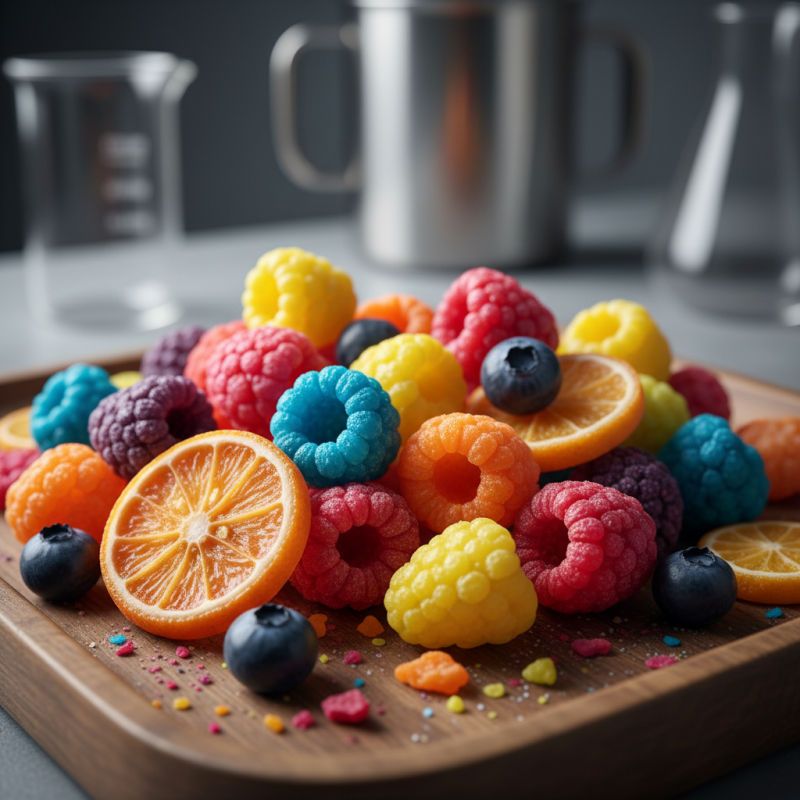
Freeze dry candy is a fascinating treat that captures the essence of flavors in a unique way. This candy undergoes a special process called freeze-drying, which removes moisture while preserving its structure. The result is a lightweight, crispy snack that maintains the taste and aroma of the original ingredients. Colors remain vibrant, and textures become surprisingly delightful.
One distinct characteristic of freeze dry candy is its intense flavor. Each bite delivers a concentrated taste, often more pronounced than traditional candy. The process results in a crunch that provides a satisfying contrast to the flavors. It's interesting to note how the candy can look deceptively delicate yet offers a surprising depth of experience. However, one might question whether the unique texture overshadows the classic, chewy candies familiar to many.
The variety in freeze dry candy is also notable. Fruits, chocolates, and even gummies are transformed into this innovative form. Yet, not all combinations yield equally good results. Some flavors may not balance well when freeze-dried. Experiments may lead to unexpected outcomes, and that’s part of the fun. The journey of exploring freeze dry candy can be full of surprises, both enjoyable and perplexing.
The Science Behind Freeze Drying: How It Works
Freeze drying, also known as lyophilization, is a fascinating process. This method removes moisture from food while preserving its structure and flavor. It involves three main steps: freezing, vacuum, and sublimation.
In the freezing stage, the food is typically cooled to extremely low temperatures. This solidifies the moisture content. Next, the vacuum stage begins. A vacuum is created around the frozen food. This lowers the pressure and allows ice to convert directly to vapor in a process called sublimation. The final phase is critical. It ensures that the remaining moisture is eliminated, enhancing shelf life.
The result is unique. Freeze-dried candy retains its original taste and texture. However, it can lack the chewiness of fresh confections. Some might find the texture a bit off. This method also changes the appearance; colors often become more vibrant. Many enjoy these snacks, but others may not. Each batch can vary, leading to unexpected results. It’s a delicate balance of science and art, inviting both excitement and reflection on how we perceive candy.
Freeze Dry Candy Production: A Comparison of Key Ingredients
Step-by-Step Process of Making Freeze Dry Candy
Making freeze-dry candy involves a detailed and fascinating process. It starts with selecting fresh fruits or candies. Popular choices include strawberries, marshmallows, and gummy bears. The key to success is ensuring they are ripe and flavorful. Cutting them into uniform pieces helps achieve even drying, but this step can be tricky. If pieces are too large, moisture can get trapped inside.
Once prepared, the items go into a freeze-dryer. This machine lowers the temperature and creates a vacuum. As a result, ice in the food sublimates, leaving behind a crunchy texture. According to industry reports, the freeze-drying market is expected to grow by 14% annually. This growth indicates a rising interest in preserving food while retaining its flavor and nutrients. During this stage, it's crucial to monitor temperature and pressure carefully, as inconsistencies can ruin the batch.
After drying, the candy can be packaged. Homemade options may not always provide airtight seals. Thus, some candies may absorb moisture over time. This can lead to a less desirable texture. It’s essential to experiment with different techniques and ingredients to refine your process. The final product should be light and crispy, showcasing the original flavors beautifully. While the technique seems simple, mastering freeze-dry candy can be a journey full of trial and error.
What is Freeze Dry Candy and How Is It Made? - Step-by-Step Process of Making Freeze Dry Candy
| Step | Description | Time Required | Materials Needed |
| 1 | Select fruit or candy for freeze-drying | Varies | Fresh fruit or candies |
| 2 | Prepare the items by washing and cutting | 30 minutes | Knife, cutting board, bowl |
| 3 | Place items in the freeze dryer | 5 minutes | Freeze dryer |
| 4 | Freeze the items | 24 hours | N/A |
| 5 | Remove moisture under low pressure | 6-12 hours | N/A |
| 6 | Check for dryness and package | 1 hour | Storage bags or containers |
Nutritional Comparison: Freeze Dry Candy vs. Traditional Candy
Freeze-dried candy has gained popularity due to its unique texture and flavor. The process removes moisture, preserving the candy’s taste while enhancing crunchiness. In comparison, traditional candy often retains more sugar and fat. These factors impact nutritional content significantly.
Freeze-dried candy generally has fewer calories. It retains the essence of the original ingredients, making it a lighter choice. However, it can also contain added sugars or preservatives. Consumers should be cautious with portion sizes. The allure of these treats can lead to overeating, which might counteract their benefits.
Traditional candy, on the other hand, is often energy-dense. Its chewy or creamy textures can lead to quick satisfaction. Yet, many varieties are high in sugar and low in essential nutrients. This imbalance raises concerns about long-term health effects. A few pieces can quickly add up in sugar intake. Connecting flavor with health is essential in making conscious choices.
Market Trends and Consumer Demand for Freeze Dry Candy
Freeze dry candy has captured the attention of consumers with its unique texture and flavor. This process removes moisture while preserving the candy's original shape. The result is a lightweight snack that is perfect for on-the-go lifestyles. Recently, social media has played a significant role in driving interest. Eye-catching images and videos show the candy's crunch and vibrant colors.
As more people seek innovative snacks, freeze dry candy has become popular among all ages. Children enjoy the fun texture, while adults appreciate the nostalgic flavors. Still, some consumers wonder if these candies are just a trend. Will the novelty wear off, or will they become a staple in the candy market? The balance between flavor and health is another point of discussion. Some candies may contain high sugar levels, raising concerns about dietary choices.
Market trends indicate a growing demand for unique snacking experiences. This candy's versatility allows for various flavors and combinations. However, it also raises questions about sustainability in production. Consumers increasingly seek eco-friendly options. This thoughtfulness requires manufacturers to reflect on their sourcing practices. Balancing creativity and responsibility is necessary for the future of freeze dry candy.



 Close
Close