What Are Healthy Panty Liners?
Healthy Panty Liners are not defined by a single material, scent, or marketing label. They are liners that suit your body, absorb light discharge, and feel comfortable during ordinary movement. A thin cotton surface may feel soft beneath underwear, while a breathable backing can help reduce that damp, plastic-like sensation. Still, “natural” does not automatically mean irritation-free. Bodies differ.
The right choice depends on when and why you wear one. A liner may be useful near the start or end of a period, or for light everyday discharge. It should not replace changing underwear or addressing persistent odor, itching, burning, or unusual discharge. Those symptoms deserve advice from a qualified healthcare professional. Pay attention to the small things: a scented liner left on through a warm afternoon, an adhesive edge that rubs, or a product that feels comfortable at first but not later. Comfort is information.
This guide explains what to look for in Healthy Panty Liners, including materials, fragrance, fit, and changing habits. Product labels can help, but they do not tell the whole story. Try a small pack before buying in bulk, and stop using a liner if it causes discomfort. I would not call any product perfect; even gentle options may not suit everyone. The practical goal is simple: a liner that feels unobtrusive, stays in place, and works for your needs without making you ignore changes in your body.
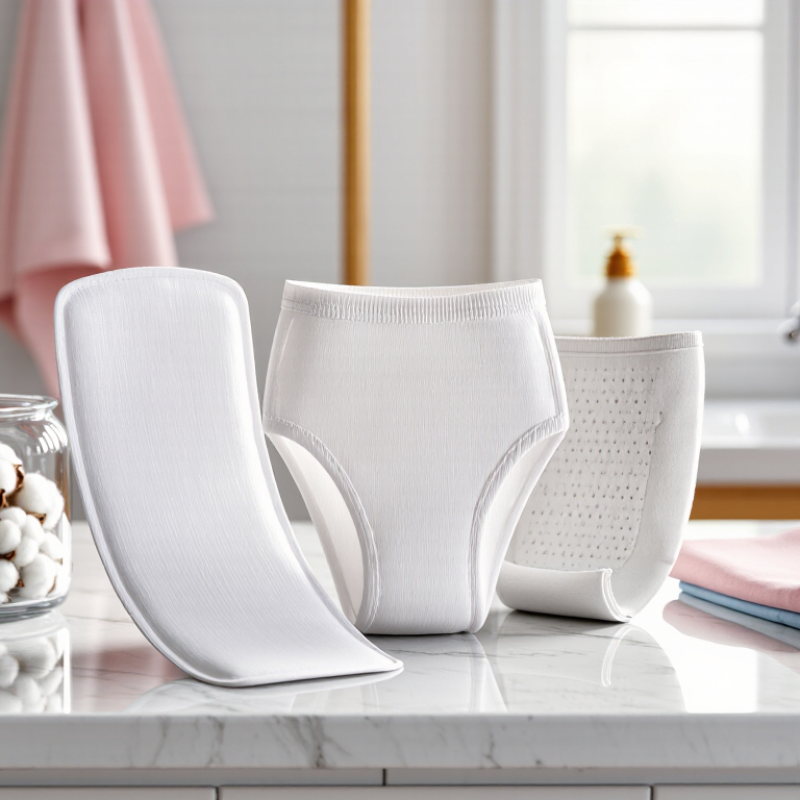
What Panty Liners Are and How They Work
Panty liners are thin, absorbent inserts worn inside underwear. A strip of adhesive helps hold one in place, while its soft top layer sits against the body. Most are narrower and less absorbent than menstrual pads. They are designed for everyday vaginal discharge, light spotting, or a little moisture—not for heavy menstrual flow. Think of a slim layer beneath you, not a leakproof guarantee.
How do they work? Fluid passes through the top sheet into an absorbent core, which helps keep the surface feeling drier. A backing layer helps prevent moisture from reaching underwear. Vaginal discharge is a normal part of many people’s cycles, and a liner is optional. Some people like the extra reassurance. Others find liners warm or noticeable. That difference matters.
If you use one, change it when it feels damp, soiled, or uncomfortable. Leaving a moist liner on for long periods may irritate sensitive skin. Unscented options can be a gentler choice; fragrances may bother some people. Still, even a plain liner can cause discomfort for certain bodies. If you notice persistent itching, burning, an unusual odor, or a change in discharge, a healthcare professional can help assess the cause. A liner manages moisture; it does not treat symptoms.
Materials and Features of Health-Conscious Panty Liners
A health-conscious panty liner starts with clear material information. Look for an unscented, breathable top layer and a soft, flexible core that does not rub when you walk. Cotton may feel comfortable, but “natural” does not automatically mean irritation-free. Fragrances, dyes, adhesives, and dampness can bother sensitive skin. Small details matter. A label should identify the liner’s layers, not just its cover.
Independent testing offers one useful checkpoint. OEKO-TEX STANDARD 100 tests textile components against more than 1,000 harmful substances; its criteria cover finished products and their parts. Certification is helpful, but it does not prove a liner will suit every body. The American College of Obstetricians and Gynecologists advises avoiding scented products around the vulva, supporting fragrance-free choices. Check how the liner feels after several hours, and change it if it becomes damp or uncomfortable. Not a guarantee. Some products disclose little about their adhesives or absorbent materials, so I would treat vague claims like “pure” with caution. A breathable design and a simple ingredient or material list are more useful than reassuring words alone.
Guidelines for Comfortable and Hygienic Use
A healthy panty liner is clean, comfortable, and used when it helps—not worn automatically. Choose an unscented liner that feels soft against your skin. If it rubs, bunches, or traps moisture, remove it. Comfort matters.
Change a liner when it feels damp or becomes soiled, and wash your hands before and after changing it. Avoid wearing one for longer than needed; prolonged dampness can irritate sensitive skin. The American College of Obstetricians and Gynecologists recommends avoiding scented products around the vulva. Keep the area gentle and simple. It is easy to over-clean, but more products do not always mean better hygiene.
A liner cannot diagnose or treat unusual discharge. The CDC estimated that 29.2% of U.S. women aged 14–49 had bacterial vaginosis, based on 2001–2004 data; many cases had no symptoms. This older population estimate is not a measure of liner use, and liners do not prevent BV. Notice changes in your own body. If odor, itching, pain, or unusual discharge persists, seek advice from a healthcare professional rather than masking it with a scented liner.
What Are Healthy Panty Liners? - Guidelines for Comfortable and Hygienic Use
| Topic | Practical guideline | Why it matters |
| When to use one | Use a panty liner when you want light protection from everyday discharge, spotting, or minor leaks. Wearing one is optional; it is not necessary for everyone every day. | Vaginal discharge is often a normal part of the menstrual cycle, and a liner is a personal comfort choice—not a treatment for discharge. |
| Choosing a liner | Choose a product that fits comfortably and is labelled for external use. If you are prone to irritation, try an unscented liner without added fragrance or deodorizing ingredients. | Fragrances and other product ingredients can irritate sensitive vulvar skin in some people. |
| How long to wear it | Change the liner when it feels damp, becomes soiled, or no longer feels comfortable. Follow the product instructions; there is no single change interval that suits everyone. | Changing a damp or soiled liner helps maintain comfort and reduces prolonged contact with moisture. |
| Breathability and fit | Wear breathable underwear and choose a liner that does not rub, bunch, or feel tight. Take it off if it causes discomfort. | Reducing friction and trapped moisture may help prevent irritation. |
| Skin care | Keep the external genital area clean with gentle care. Stop using a liner if you notice itching, burning, redness, or a rash; seek medical advice if symptoms persist. | Persistent irritation may have causes that need assessment, and a liner may not be the only possible trigger. |
| Safe use | Use liners externally only. Do not insert them into the vagina, and do not use them as a substitute for a pad or other product intended for heavier menstrual flow. | Panty liners are designed for light external protection, not internal use or heavy flow. |
| When to seek care | Talk with a healthcare professional about a noticeable change in discharge, a strong or unusual odor, persistent itching or soreness, pain, or unexpected bleeding. | These symptoms can have different causes and may need professional evaluation rather than simply more frequent liner use. |
When to Stop Use and Seek Medical Advice
Stop using a panty liner if you notice itching, burning, redness, or a rash where it touches your skin. Remove it, gently rinse the area with water, and avoid scented products while the irritation settles. A liner can trap warmth and moisture, especially after exercise or on a hot day. That damp, sticky feeling is a useful cue to change it or go without one.
Seek medical advice if irritation continues after you stop using liners, keeps returning, or interferes with sleep or daily activities. Contact a clinician about discharge that changes noticeably in color, smell, or amount, or comes with pain when urinating. Fever, pelvic pain, sores, or significant swelling also deserve prompt attention. These symptoms can have several causes, and a liner alone cannot identify or treat them. It is tempting to blame the product, but that may not be the whole story. A clinician can help assess what is happening and recommend appropriate care.
Healthy Panty Liner Use: When to Stop and Seek Medical Advice
Panty liners are optional. If they cause irritation, stop using them. Seek medical advice for persistent symptoms or unusual discharge, odor, sores, unexpected bleeding, pelvic pain, or fever.



 Close

