How to Buy HPMC for Sale and What to Consider?
In the dynamic landscape of construction materials, "hpmc for sale" has gained significant attention. Hydroxypropyl Methylcellulose (HPMC) is widely used in various industries, including construction, pharmaceuticals, and food. According to a recent market analysis from ResearchAndMarkets, the global HPMC market is expected to grow at a CAGR of 6.2% from 2022 to 2027. This increase highlights the rising demand for HPMC in modern applications.
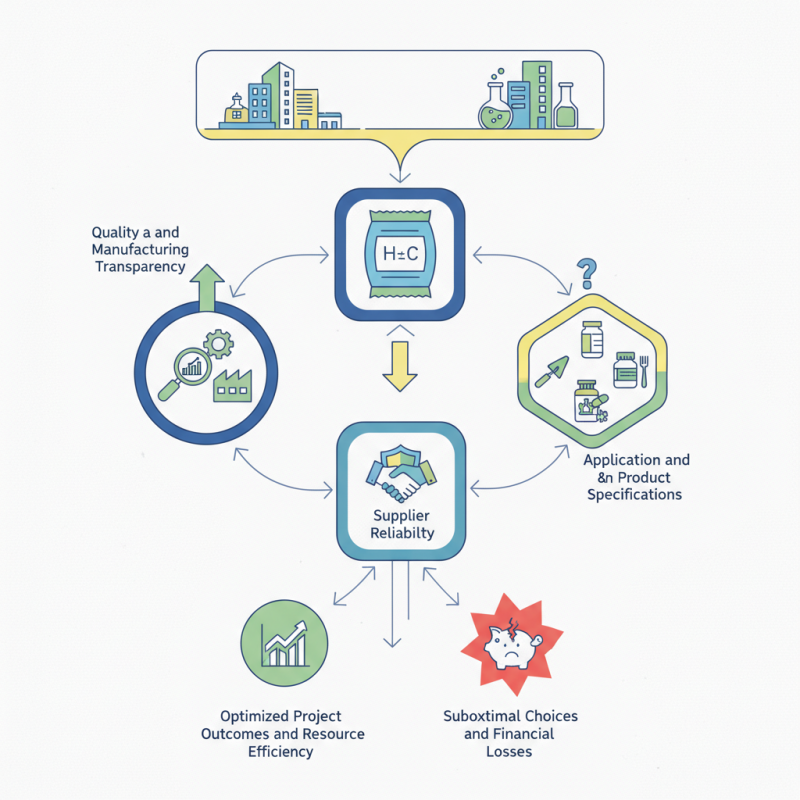
Industry expert Dr. Sarah Johnson notes, "Navigating the HPMC market requires understanding both quality and application." This statement underscores the complexity of purchasing hpmc for sale. Buyers must consider several factors, including product specifications, sourcing locations, and supplier reliability. Ensuring the right HPMC grade can directly impact project outcomes. Many buyers overlook these details, resulting in suboptimal choices that affect performance.
When purchasing HPMC for sale, it's crucial to gather data on suppliers and product quality. Transparency in manufacturing processes is essential. Buyers need to scrutinize specifications and test reports. Understanding the nuances of HPMC applications can save time and resources. Ignoring these elements may lead to regrets and financial losses. The HPMC market, while promising, is not without its challenges.
Understanding HPMC: Definition and Applications in Various Industries
Hydroxypropyl Methylcellulose (HPMC) is a versatile cellulose ether widely used across various industries. It acts as a thickener, binder, and film-forming agent. In the construction sector, HPMC enhances the workability and adhesion of cement-based products. According to a report by Global Market Insights, the construction industry accounted for over 50% of HPMC consumption in 2022.
In the pharmaceutical domain, HPMC serves as a drug delivery agent. It is effective in controlling the release of active ingredients. Reports from the pharmaceutical industry indicate a steady growth in the use of HPMC, primarily due to the increasing demand for controlled-release formulations. However, users must ensure HPMC quality standards. Selecting low-grade products can impact effectiveness significantly.
Food applications are also noteworthy. HPMC is used as a stabilizer and emulsifier in food products. The global food additives market is projected to grow significantly, with HPMC playing a key role. One must be cautious, though; sourcing HPMC from reliable suppliers is crucial. Variations in purity and composition can lead to inconsistent results in end products. This reflects the need for rigorous quality assessment during the purchasing process.
Key Factors to Consider When Purchasing HPMC Products for Sale
When considering the purchase of HPMC, several key factors come into play. First, assess the quality of the product. Check for certifications and test results. Reliable suppliers often provide documentation that confirms product purity and consistency. Look for reviews or feedback from other customers. This can offer insight into the supplier’s reputation.
Next, consider the intended application of HPMC. Different grades exist, each tailored for specific uses. Some grades are better for construction, while others are suitable for food applications. Understanding your needs can prevent poor purchasing decisions. Ask questions about viscosity, solubility, and other properties. Clarifying these details helps to ensure the product meets your requirements.
Pricing is another important factor. While it may be tempting to opt for the cheapest option, quality should never be compromised. Low-cost products may not perform well and can lead to additional costs down the line. Finding a balance between cost and quality can be challenging, but it's crucial. Always weigh your options and seek transparency from suppliers regarding pricing structures.
Evaluating HPMC Quality: Key Specifications and Industry Standards
When purchasing Hydroxypropyl Methylcellulose (HPMC), evaluating its quality is crucial. Several key specifications are essential for assessing HPMC. One primary factor is the viscosity. It influences the consistency of the end product. Brands may offer varying viscosity levels, which can affect performance. Choosing the right viscosity can be challenging.
Another important aspect is the purity of HPMC. High purity levels lead to better performance in applications. Look for specifications like ash content and moisture levels, as they can indicate quality. Additionally, pay attention to the particle size. A uniform particle size ensures consistent mixing and application.
Industry standards also play a significant role. Familiarizing yourself with these benchmarks helps in making informed decisions. Compliance with international specifications is essential for safety and efficacy. However, not all suppliers may meet these standards. This inconsistency can complicate your purchasing process. Always ask for documentation verifying compliance. Being thorough can prevent future complications.
Comparative Analysis of HPMC Suppliers: Pricing and Reliability Factors
When considering HPMC suppliers, pricing and reliability are crucial factors. Different suppliers offer various price ranges. It's important to compare not just costs but also the quality of the product. A low price might seem attractive at first, but it can lead to subpar results. Sometimes, you'll find that spending a bit more ensures better performance.
You should also investigate the suppliers' track records. Read reviews from other customers. Reliability is often more valuable than just a low price tag. A supplier with a consistent delivery history may save you time and trouble. Check how they handle orders and customer service. Poor support can lead to delays and frustrations down the line.
In this competitive market, evaluate multiple options before deciding. Take the time to weigh each supplier against your specific needs. This process may reveal some unexpected challenges. Ask for samples whenever possible. Getting a feel for the product can make a big difference.
Market Trends and Demand Forecast for HPMC Sales in Construction and Food
The market for Hydroxypropyl Methylcellulose (HPMC) in construction and food industries is rapidly evolving. Recent data highlights a growing demand driven by the booming construction sector and the increasing use of HPMC in food applications. The construction industry is projected to witness a growth rate of 5.8% annually, while the food sector anticipates a steady increase in HPMC usage due to its functional properties. This dual demand is reshaping procurement strategies for HPMC.
When considering HPMC for your projects, a few tips can guide you. Focus on quality and source materials from trusted suppliers. Ensure product specifications align with the intended application. Availability and stability in supply can also impact your operations. A recent report suggests that buyers should keep an eye on market fluctuations. Prices may vary based on raw material availability, so flexibility is essential.
Moreover, anticipate the environmental impact of HPMC production and usage. Manufacturers are increasingly emphasizing sustainable practices. Being aware of these trends allows savvy buyers to make informed decisions while supporting eco-friendly options. It’s a balance between quality, cost, and responsibility. In such a competitive market, staying informed and adaptable is key to successful procurement.
Market Trends and Demand Forecast for HPMC Sales in Construction and Food


 Close
Close