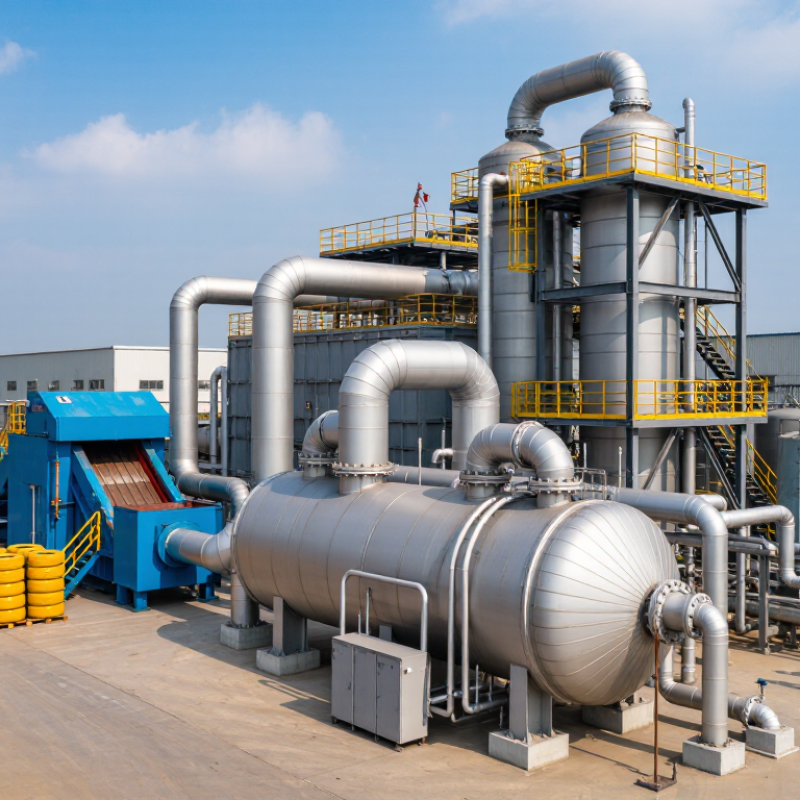
Tyre pyrolysis plant cost is easier to compare when each configuration is priced on the same operating basis.
A batch system may require a lower initial equipment budget, but it relies on repeated loading, heating, cooling, and unloading. That cycle can mean more handling time and uneven daily output.
A semi-continuous line can reduce pauses by feeding material in stages, while adding conveyors, controls, and maintenance points.
Continuous systems may support steadier throughput, yet usually require stronger process integration and a larger installation budget.
Small detail, real cost. Bigger is not automatically cheaper per tonne.
Compare more than the reactor price.
Request itemized figures for tyre preparation, the reactor and heating system, condensers, gas cleaning, storage, electrical works, foundations, installation, and commissioning. Also compare feed size, moisture assumptions, annual operating hours, and product handling scope.
A quote that excludes civil works can look attractive until the site is prepared.
That matters.
Ask how staffing, spare parts, utilities, and planned shutdowns affect annual costs. Estimate cost per tonne using realistic uptime, not nameplate capacity alone.
Uptime assumptions can be optimistic, so check service records or reference operating data where available. Keep a contingency for site changes.



 Close