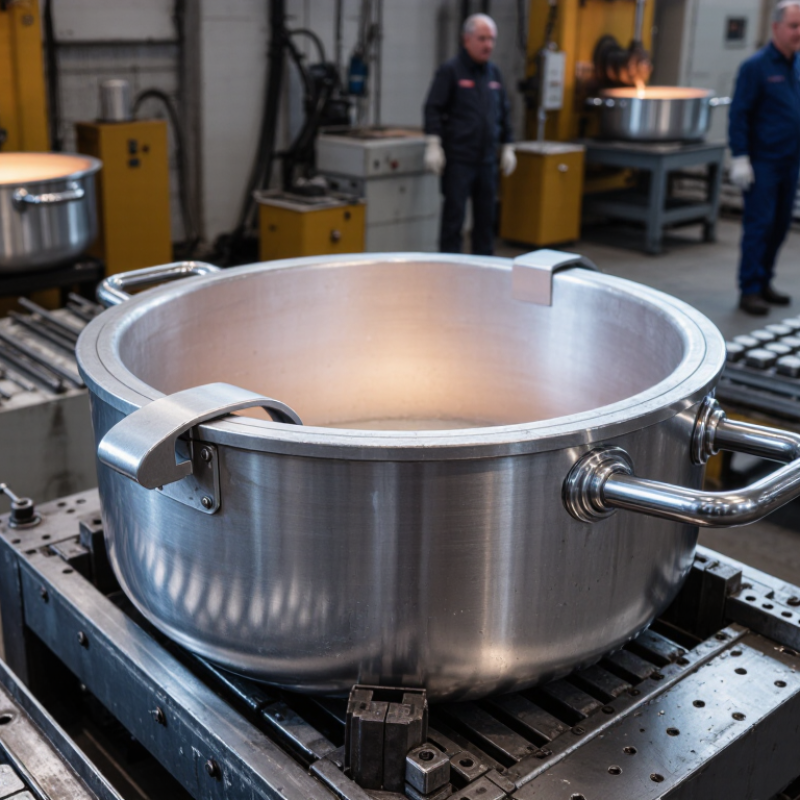
| Small Crucible Pot For small batches | 2–10 kg of aluminium | Graphite, silicon carbide, or clay-graphite | Propane, natural gas, electric resistance, and small induction furnaces | Approximately 700–900°C in normal aluminium melting service | Manual lifting; compact rim or small pouring lip | Laboratory work, repair shops, prototypes, and hobby casting | Check external diameter, wall thickness, empty weight, and safe lifting clearance. |
| Medium Crucible Pot General-purpose choice | 10–30 kg of aluminium | Silicon carbide or clay-graphite | Gas-fired, electric resistance, and medium induction furnaces | Approximately 700–900°C in normal aluminium melting service | Reinforced rim, pouring lip, or compatible lifting tongs | Job shops, maintenance casting, and small production runs | Match the crucible outside diameter and height with the furnace chamber and lid opening. |
| Large Crucible Pot For production batches | 30–100 kg of aluminium | Silicon carbide, clay-graphite, or high-alumina ceramic | Gas-fired furnaces, power-assisted tilting furnaces, and large induction systems | Approximately 700–900°C in normal aluminium melting service | Pouring spout, lifting lugs, or mechanical pouring support | Foundries and repeated batch production | Verify lifting capacity, thermal-shock resistance, furnace loading method, and handling space. |
| Electric-Furnace-Compatible Pot | 5–50 kg of aluminium | Silicon carbide, clay-graphite, or alumina-based ceramic | Electric resistance furnaces with controlled chamber dimensions | Approximately 700–900°C; confirm the furnace control range | Standard rim, lip, or removable pouring handle | Indoor workshops requiring clean and controllable heating | Confirm heating-element clearance, electrical insulation requirements, and chamber size. |
| Induction-Compatible Pot For rapid heating | 5–100 kg of aluminium, depending on furnace power | Graphite, silicon carbide, or other manufacturer-approved conductive-compatible material | Induction furnaces only when the crucible material and coil system are approved together | Approximately 700–900°C in aluminium service | Manual, tong-assisted, or tilting-furnace pouring | Fast-melting operations and frequent batch changes | Do not select by capacity alone; confirm magnetic behavior, coil clearance, wall thickness, and power rating. |
| Gas-Fired Furnace Pot | 10–100 kg of aluminium | Silicon carbide or clay-graphite | Propane or natural-gas furnaces with direct or indirect flame heating | Approximately 700–900°C; avoid excessive flame impingement | Pouring lip, lifting tongs, or mechanical tilting arrangement | Outdoor foundries and applications with high batch flexibility | Check burner position, flame circulation, pot support, thermal expansion allowance, and ventilation. |
| Tilting-Pot Design For controlled pouring | 20–200 kg of aluminium | Silicon carbide, clay-graphite, or high-strength ceramic | Tilting furnaces and fixed furnaces equipped with a mechanical pouring frame | Approximately 700–900°C in normal operation | Controlled rotation with a defined pouring lip or spout | Production casting where repeatable stream control is important | Evaluate pivot position, pouring angle, handle or gearbox access, center of gravity, and locking mechanism. |
| Fixed Pot with Ladle Transfer | 30–500 kg of aluminium, depending on furnace design | Refractory-lined steel shell or large ceramic crucible | Stationary holding, melting, or reverberatory furnace systems | Approximately 700–850°C for holding and transfer operations | Skimming access and separate ladle transfer; no direct pot pouring | High-volume operations with dedicated transfer equipment | Assess refractory lining, metal-access height, skimming clearance, drain design, and maintenance access. |
| Anti-Slag Pouring Design | 10–100 kg of aluminium | Silicon carbide or clay-graphite with a shaped lip or internal pouring geometry | Gas-fired, electric, and selected induction furnaces | Approximately 700–900°C in normal aluminium melting service | Offset pouring lip or designed outlet intended to reduce slag carryover | Castings requiring cleaner metal transfer | Review lip geometry, residual-metal volume, cleaning access, and compatibility with the receiving mold or ladle. |
| High-Thermal-Shock Pot For frequent cycling | 5–100 kg of aluminium | Silicon carbide or selected composite refractory material | Furnaces with frequent heat-up and cool-down cycles | Approximately 700–900°C; follow the specified preheating schedule | Reinforced rim, pouring lip, and secure lifting support | Multi-shift casting and repeated batch changes | Check heating-rate limits, preheating instructions, visible crack criteria, and resistance to thermal cycling. |



 Close
Close